
Yazılar

Amazon and Flipkart Violate Indian Quality Control Regulations During Warehouse Raids

Amazon and Flipkart, two of the largest e-commerce platforms in India, have been found in violation of Indian quality control regulations during raids conducted by the Bureau of Indian Standards (BIS) on Wednesday. The raids, which took place in the Tiruvallur district of Tamil Nadu, uncovered that both companies were storing, selling, and exhibiting products that lacked the required BIS standard certification, a mandatory requirement for certain goods in India.

At the Amazon warehouse, officials seized over 3,000 products, including flasks, insulated food containers, toys, and ceiling fans, all of which were found to be missing the BIS standard mark. Flipkart faced similar issues, with products like diapers, casseroles, and stainless steel water bottles being confiscated.

In response, Amazon India emphasized that it was working closely with regulators to address the matter, while Flipkart stated that it had processes in place to ensure sellers comply with Indian laws and that it regularly conducts audits to verify compliance.

The raids add to the mounting regulatory challenges faced by both companies. In recent months, Amazon and Flipkart have been under investigation for various issues, including anti-trust violations. Last September, both platforms were accused of favoring certain sellers, and in November, authorities conducted raids on several sellers after an investigation revealed that Amazon had used small groups of sellers to bypass Indian laws.

With India’s e-commerce market estimated to reach $160 billion by 2028, these regulatory issues are becoming increasingly important for both Amazon and Flipkart as they continue to dominate the market.
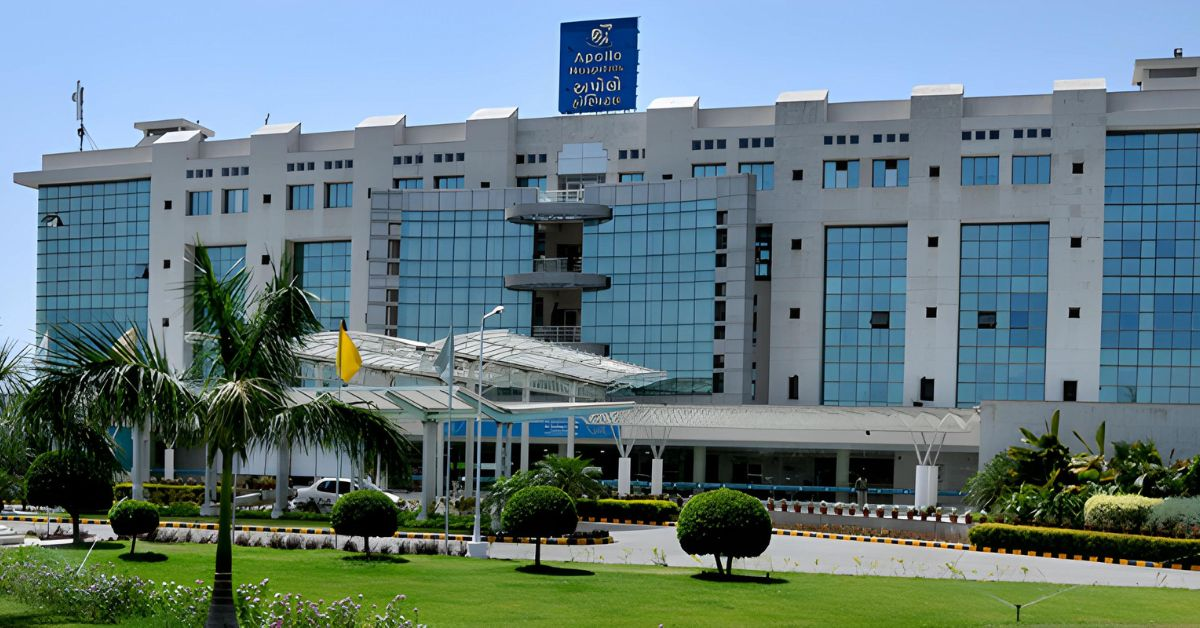
Apollo Hospitals Plans Increased Investment in AI to Alleviate Staff Workload

Apollo Hospitals, one of India’s largest hospital networks, is intensifying its use of artificial intelligence (AI) to alleviate the heavy workload faced by doctors and nurses. The company plans to automate routine tasks like medical documentation, aiming to free up valuable time for healthcare professionals.

With over 10,000 beds across its hospitals, Apollo is increasingly adopting AI to enhance diagnostic accuracy, predict patient risks, and streamline hospital operations. The use of AI is also helping improve precision in robotic surgeries and facilitating virtual medical care. Sangita Reddy, Apollo’s Joint Managing Director, shared that the company had allocated 3.5% of its digital spending to AI over the past two years and intends to further increase this investment in the coming year.

Apollo’s AI tools, which are still in the experimental phase, will analyze electronic medical records to suggest diagnoses, treatment plans, and tests. Additionally, AI will assist in transcribing doctors’ observations, generating discharge summaries, and creating nurses’ schedules from notes. The hospital chain is also developing an AI tool to recommend the most effective antibiotic treatments for patients’ conditions.

The company has set an ambitious goal of expanding its bed capacity by one-third over the next four years, with a portion of the revenue from these new additions being reinvested into AI tools without increasing overall costs. This initiative is part of a broader strategy to tackle the 25% nurse attrition rate, which is expected to rise to 30% by the end of fiscal 2025.

Despite the challenges of high technology costs, diverse data formats, and limited availability of electronic medical records, other major Indian hospital chains like Fortis Healthcare, Tata Memorial, and Max Healthcare are also incorporating AI tools to improve their services. However, according to Joydeep Ghosh, a partner at Deloitte India, accelerating AI adoption remains difficult due to concerns around profitability and operational hurdles.

India Plans to Limit Satellite Permits to Five Years, Challenging Musk’s Starlink

India’s telecom regulator, TRAI (Telecom Regulatory Authority of India), is preparing to recommend limiting satellite broadband spectrum allocations to five years, despite Elon Musk’s Starlink pushing for a 20-year permit. This proposed policy aims to evaluate initial market adoption and adjust accordingly, a senior government source revealed.

Currently, TRAI is working on key recommendations regarding satellite spectrum, including time frames and pricing, to be presented to the Indian government. The government’s stance goes against Musk’s request for longer-term spectrum allocations to secure affordable pricing and longer-term business plans.

This decision comes on the heels of a partnership between Musk’s Starlink and Indian billionaire Mukesh Ambani, which will allow Starlink devices to be sold in Reliance stores, significantly increasing distribution access. Reliance and Musk’s Starlink had been rivals, with Ambani’s telco subsidiary previously lobbying for an auctioned spectrum rather than the administrative allotment Musk seeks.

While Starlink advocates for a 20-year license to focus on affordability and long-term growth, Ambani’s Reliance proposed a 3-year license followed by a reassessment of the market. Similarly, Airtel, another Indian telecom company, has called for a 3-5 year license period.

TRAI is inclined to adopt the 5-year licensing period, giving the industry time to evaluate market stability and allowing for future revisions of spectrum prices. A government official explained that this approach would help assess the sector’s growth while enabling pricing adjustments after the initial period.

The final recommendations, including the license duration and spectrum pricing, are expected within a month. The proposals will be submitted to India’s telecoms ministry for further review and action. However, Starlink’s distribution agreements with Reliance and Airtel depend on the company’s ability to secure regulatory approvals in India.

Industry forecasts show that India’s satellite communications sector could see substantial growth, with KPMG predicting a more than 10-fold increase, potentially reaching $25 billion by 2028.