Yazılar

Tesla Resumes Hunt for New Delhi Showroom in Partnership with DLF

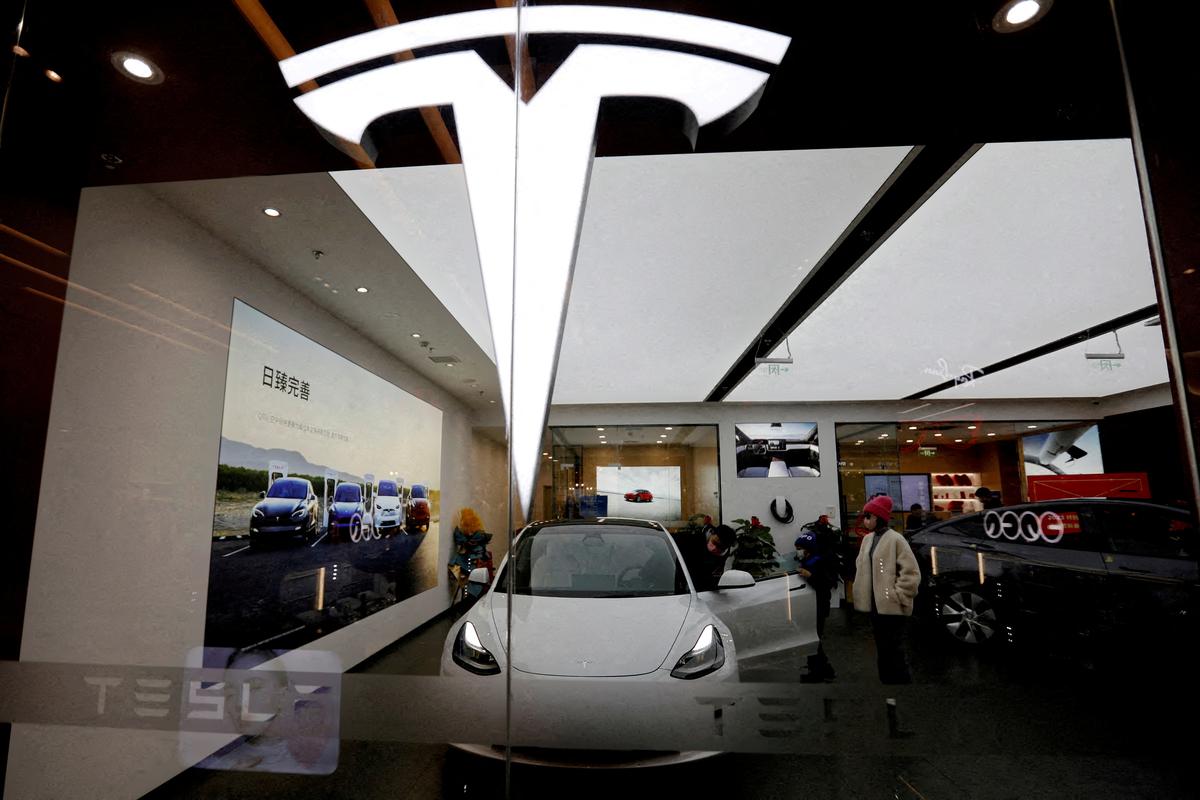
Tesla has reportedly resumed its search for showroom space in New Delhi, signaling a renewed interest in the Indian market after previously putting its investment plans on hold. According to sources familiar with the matter, the electric vehicle (EV) giant is now in discussions with DLF, India’s largest property developer, to secure prime retail space in the capital region. This marks the first indication that Tesla may be re-evaluating its strategy for entering one of the world’s largest automobile markets.

Earlier this year, Tesla’s plans to invest in India appeared to falter when Elon Musk canceled a proposed visit to meet Indian Prime Minister Narendra Modi. The visit was expected to coincide with an announcement of a significant investment, ranging from $2 billion (roughly ₹16,972 crore) to $3 billion (roughly ₹25,458 crore). However, the trip was abruptly called off as Tesla faced internal challenges, including a decision to reduce its workforce by 10 percent amid declining global sales. This pause in plans also led to a temporary halt in the company’s search for retail spaces in India.

Sources indicate that Tesla’s discussions with DLF are still in the early stages and may not necessarily result in a final agreement. The EV manufacturer is also reportedly exploring other options for securing showroom and service space in New Delhi. Tesla is said to be seeking a retail space of 3,000 to 5,000 square feet for a consumer experience center, along with a significantly larger facility—approximately three times the size—for delivery and service operations. These spaces are seen as critical for Tesla to establish its presence and provide seamless after-sales support in the Indian market.

Both Tesla and DLF have declined to comment on the ongoing discussions. Despite the uncertainty, Tesla’s renewed efforts suggest that the company is positioning itself to tap into India’s rapidly growing EV market, driven by increasing consumer interest and government initiatives promoting electric mobility. If successful, Tesla’s entry could further accelerate the adoption of EVs in the country, while potentially reshaping the competitive landscape of India’s automobile sector.

Elon Musk Announces Starlink Inactive in India After Device Seizures

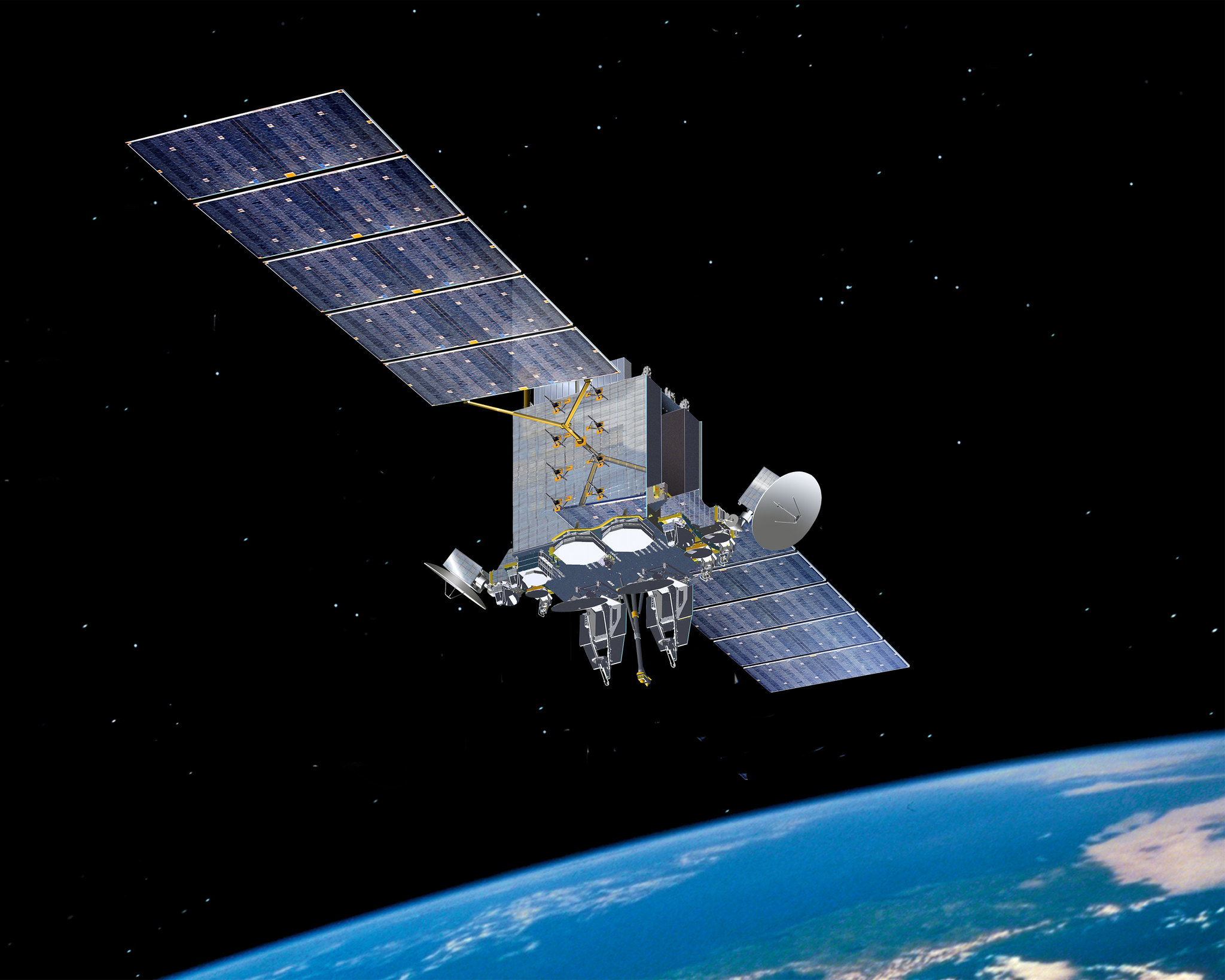
Elon Musk confirmed on Tuesday that Starlink satellite internet is inactive in India, marking the company’s first public acknowledgment since Indian authorities seized two Starlink devices in recent weeks. One device was found in Manipur, an area in northeastern India suffering from ongoing communal conflict, and the other was discovered during a drug smuggling bust at sea.

Starlink, the satellite internet service owned by Musk’s SpaceX, is seeking approval from Indian authorities to offer satellite broadband services in the country. The company is working to address security concerns as part of the approval process. In his post on X (formerly Twitter), Musk clarified that “Starlink satellite beams are turned off over India” and that the service had “never been on in the first place.”

Musk’s comments came after the Indian Army shared photos on December 13 of a search operation in Manipur, which included images of a Starlink device along with seized weapons. According to two military officers who requested anonymity, the device was being used by a militant group. The officers suggested that the device had likely been smuggled into India through its porous border with Myanmar, where Starlink devices have been reportedly used by rebel groups, although the company does not operate in Myanmar.

Earlier in December, Indian police made a legal request to Starlink for details on the purchase of a Starlink device found during a large drug bust at sea. Authorities believe the smugglers used the device to help with navigation while transporting $4.2 billion worth of methamphetamine, one of India’s largest-ever drug seizures.


Japan and India Startups Collaborate on Laser-Equipped Satellite for Space Debris Removal

Startups from Japan and India have announced a partnership to explore the potential of using laser-equipped satellites to address the growing problem of space debris. The collaboration, revealed on Tuesday, involves Orbital Lasers, a Tokyo-based company, and InspeCity, an Indian robotics firm. Their goal is to develop innovative in-space services, including the de-orbiting of defunct satellites and extending the operational lifespan of spacecraft.

Innovative Approach to Space Debris

Orbital Lasers, spun off from the Japanese satellite company SKY Perfect JSAT earlier this year, is working on a technology that uses laser energy to neutralize space junk. The system will vaporize small sections of debris’ surfaces, causing it to stop rotating and making it easier for servicing spacecraft to capture and de-orbit it. The companies aim to test this system in space and make it available for operators after 2027, according to Aditya Baraskar, the global business lead at Orbital Lasers. If regulatory approvals are granted in both India and Japan, the laser system could be mounted on InspeCity’s satellites.

Business Potential and Strategic Collaboration

The partnership was formalized with a preliminary agreement, marking the start of a feasibility study into the commercial potential of these space debris mitigation technologies. InspeCity, founded in 2022, secured $1.5 million in funding last year, while Orbital Lasers has raised 900 million yen (approximately $5.8 million) since its inception in January.

Growing Space Traffic and the Need for Action

The initiative comes as orbital congestion becomes an urgent issue. A United Nations panel on space traffic management highlighted the growing need to track and manage objects in low Earth orbit (LEO) due to the rising number of satellites and space debris. With over 100 companies already involved in space servicing, including satellite constellations and debris mitigation, the market is rapidly expanding. Nobu Okada, CEO of Astroscale, a Japanese leader in debris mitigation, emphasized the necessity of addressing this challenge to ensure the sustainability of space activities.

Expanding India-Japan Space Collaboration

This project represents another milestone in the ongoing India-Japan space collaboration. Both countries are working together on the Lunar Polar Exploration (LUPEX) mission, with a possible launch by 2026. Additionally, Skyroot, an Indian rocket manufacturer, and HEX20, a satellite builder, are collaborating with ispace, a Japanese lunar exploration company, on a lunar orbiter mission.

Strengthening Commercial Ties

The growing commercial ties between Japan and India also reflect efforts to expand space cooperation beyond traditional areas. Masayasu Ishida, CEO of SPACETIDE, a Tokyo-based nonprofit hosting space business conferences, explained that the two countries’ collaborations, such as using Japanese satellite data for India’s disaster management and agriculture, have the potential to broaden into other sectors, including manufacturing. This is in line with India’s “Make in India” initiative, which promotes local production and manufacturing.