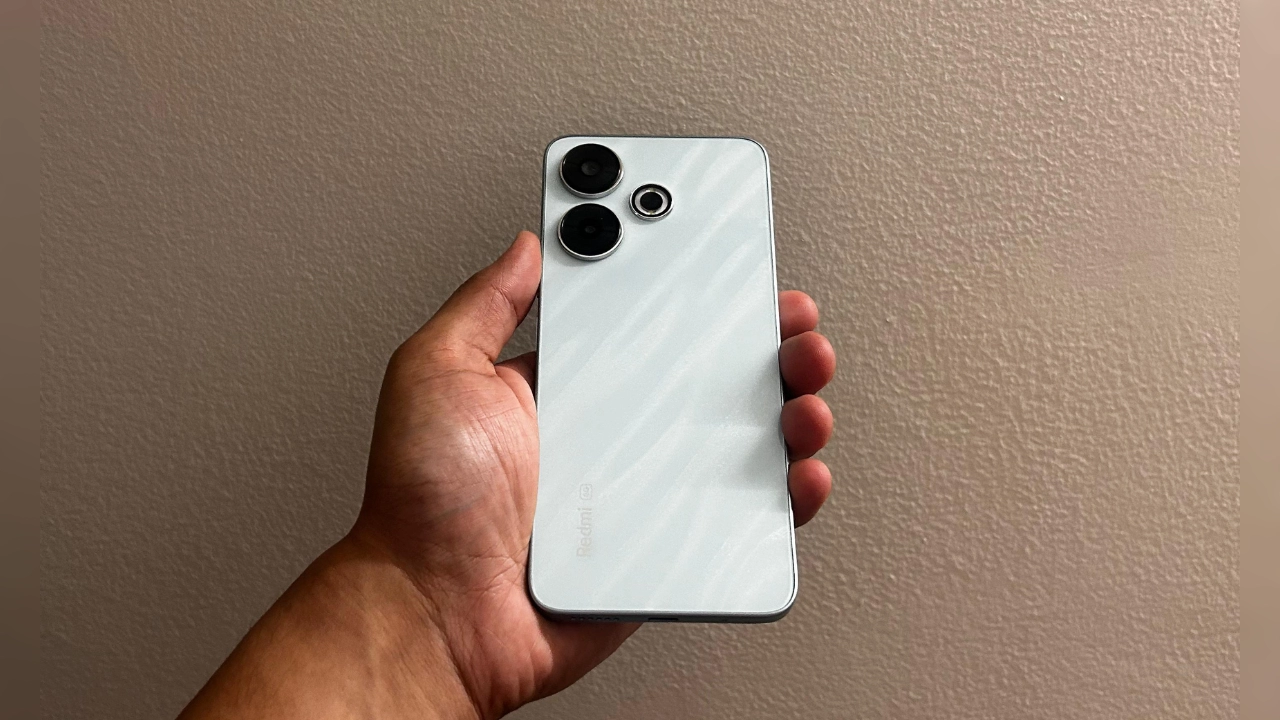
Xiaomi Secures Top Position Amid Declining Smartphone Shipments in India for Q2 2024
Despite Growth for Xiaomi and Samsung, Overall Smartphone Shipments in India Fell by 2% Year-Over-Year Devamını Oku

Despite Growth for Xiaomi and Samsung, Overall Smartphone Shipments in India Fell by 2% Year-Over-Year Devamını Oku
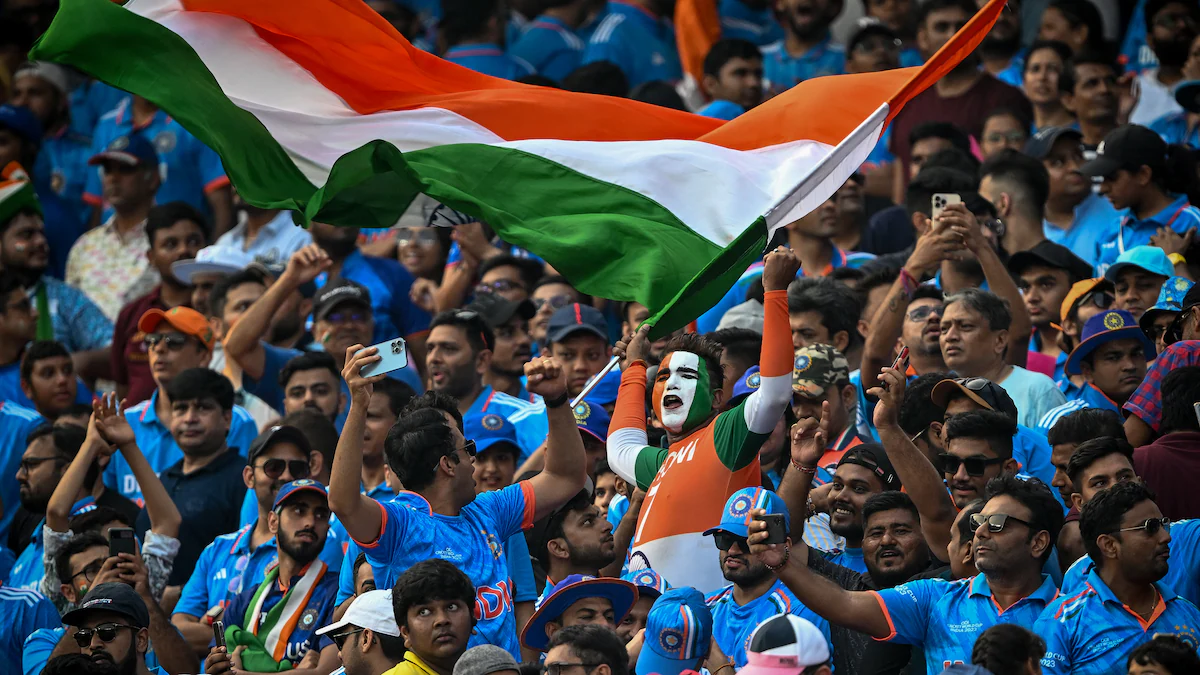
India’s antitrust body, the Competition Commission of India (CCI), has raised concerns that the proposed $8.5 billion merger between Reliance and Disney’s media assets could harm competition, particularly due to their potential dominance over cricket broadcast rights. This merger, aimed at creating India’s largest entertainment conglomerate, has sparked fears over pricing power and control over advertisers in a market where cricket is a highly lucrative sport.
The CCI has privately informed Disney and Reliance of its concerns, specifically highlighting the significant influence the merged entity would wield over cricket broadcasting, a sport deeply embedded in Indian culture and commanding substantial viewership and advertising revenue. The merged company, majority-owned by Mukesh Ambani’s Reliance, would control the broadcast rights for major cricket leagues, including the Indian Premier League (IPL), one of the world’s most valuable sports properties.
This development represents a significant obstacle for the merger, which was announced in February 2024. The CCI has given the companies 30 days to respond and justify why an investigation should not be launched. The primary concern is that the merger could lead to increased advertising rates during live cricket events, given the merged entity’s potential 40% share of the advertising market in TV and streaming segments.
In response to earlier queries from the CCI, Reliance and Disney proposed selling a small number of television channels to alleviate concerns about market dominance. However, they refused to concede on cricket broadcasting rights, arguing that these rights, set to expire in 2027 and 2028, cannot be sold without approval from the Board of Control for Cricket in India (BCCI), which could further delay the merger process.
The situation echoes a similar scenario in 2022 when Zee and Sony planned a $10 billion merger. The CCI had also issued a warning due to concerns over market dominance, particularly in the sports broadcasting sector. Although Zee and Sony offered concessions, including selling three TV channels, the merger ultimately collapsed.
As the situation develops, the CCI’s notice could delay the approval process for the Disney-Reliance merger, potentially leading to more stringent concessions. The outcome will likely hinge on how the companies address concerns related to their potential dominance over cricket broadcasting and its impact on competition within the Indian media and advertising markets.

Junior doctors in India are continuing their protests and refraining from non-emergency work after the brutal rape and murder of a 31-year-old postgraduate medical student in Kolkata. The incident, which occurred in the early hours of August 9 at the R.G. Kar Medical College and Hospital, has sparked outrage across the country, leading to a series of strikes, candlelight marches, and demands for justice from the medical community and women’s rights activists.
The Indian Medical Association (IMA), the country’s largest association of doctors, called for a 24-hour strike that ended on Sunday morning, yet many junior doctors are still off the job, particularly in Modi’s home state of Gujarat, where over 6,000 trainee doctors have continued their protest. These doctors are providing emergency services but have withdrawn from routine outpatient and ward work, pushing for increased security measures in hospitals to protect healthcare workers, particularly women, who make up 60% of India’s medical workforce.
The victim’s father expressed his sorrow but found solace in the widespread support from the medical community, which has united in the face of this tragedy. The incident has reignited discussions about the safety of women in India, despite the introduction of tougher laws following the infamous 2012 Delhi gang-rape and murder case. Activists argue that while laws have changed, the underlying culture of violence against women persists, and more needs to be done to ensure their safety.
The IMA has urged Prime Minister Narendra Modi to intervene, emphasizing the need for hospital security protocols similar to those in airports to protect medical professionals. The government’s response has been to urge doctors to return to duty, particularly in light of rising cases of dengue and malaria, and to set up a committee to explore enhanced protection measures for healthcare workers.
Despite this, the All India Residents and Junior Doctors’ Joint Action Forum has vowed to continue its “nationwide cease-work” until a thorough investigation is conducted and arrests are made. The protests have put significant strain on medical facilities, especially in Kolkata, where the R.G. Kar hospital has been the epicenter of the agitation. Authorities have responded by banning gatherings around the hospital and deploying police in riot gear to maintain order.
As the protests continue, the medical community remains steadfast in its demands for justice and safer working conditions, underscoring the urgent need for systemic changes to protect those who care for the nation’s health.