Yazılar

India’s Path to Becoming a Semiconductor Powerhouse Faces Challenges, but Collaboration is Key

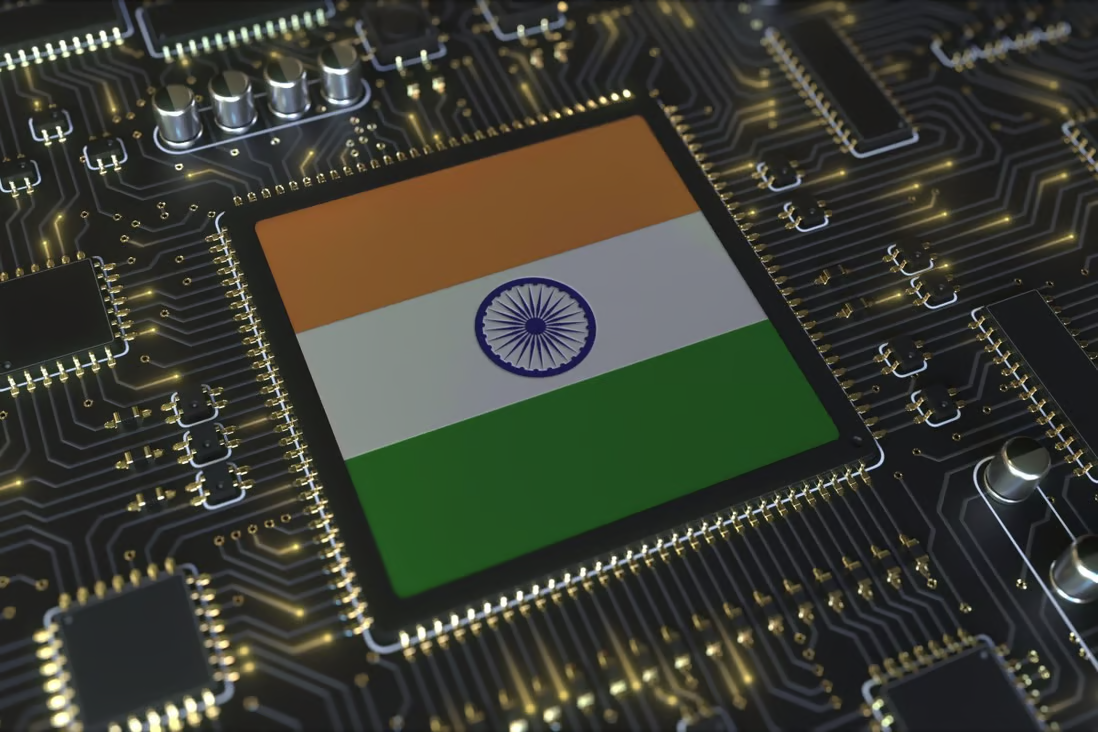
India is making bold strides toward establishing itself as a global semiconductor powerhouse, aiming for self-reliance in manufacturing. Prime Minister Narendra Modi has set ambitious goals, targeting a leap in the country’s electronics sector from $155 billion today to $500 billion by 2030. However, experts are divided on whether this target is feasible, with a consensus that India cannot achieve it on its own.

Eri Ikeda, assistant professor at IIT Delhi, highlights that India’s semiconductor journey is still in its early stages. Taiwan leads global semiconductor production with 44% market share, followed by China (28%) and other key players like South Korea and the U.S. Collaborative efforts are already in motion, such as Taiwan’s Powerchip Semiconductor partnering with Tata Electronics to build India’s first wafer fab in Gujarat, and American chipmaker Micron Technology planning to produce semiconductors in India by 2025.

India’s drive for semiconductor self-reliance is partly fueled by its growing role as a viable alternative to China for global supply chains. However, analysts caution that India must first learn the nuances of the semiconductor industry. Rishi Bhatnagar of the Institution of Engineering and Technology suggests that India should focus on collaboration rather than direct competition with China, which continues to invest heavily in semiconductor equipment from the U.S. and Japan.

India is strengthening ties with the U.S. to diversify its semiconductor sources. The U.S. Department of State has partnered with India’s Semiconductor Mission to bolster global semiconductor value chains, further fueled by geopolitical tensions with China. As a democratic nation with a growing English-speaking workforce, India is positioned as an attractive investment destination for tech giants like Apple and Google.

While infrastructure and investment challenges remain, India has advantages such as a low labor cost and a young workforce. The country is also making significant improvements in its infrastructure, with plans to modernize highways, railways, and airports. These developments are crucial as India positions itself to cater to the increasing global demand for semiconductors.

Despite the hurdles, optimism persists. Analysts see India’s potential to meet global chip demands while maintaining lower production costs, offering a competitive edge over China. Samir Kapadia, CEO of India Index, emphasizes India’s unique combination of economic stability, workforce potential, and infrastructure development, making it a strong contender in the global semiconductor race.
 

Nio Targets Expansion of Battery Chargers and Swap Stations Across All Chinese Counties by 2025

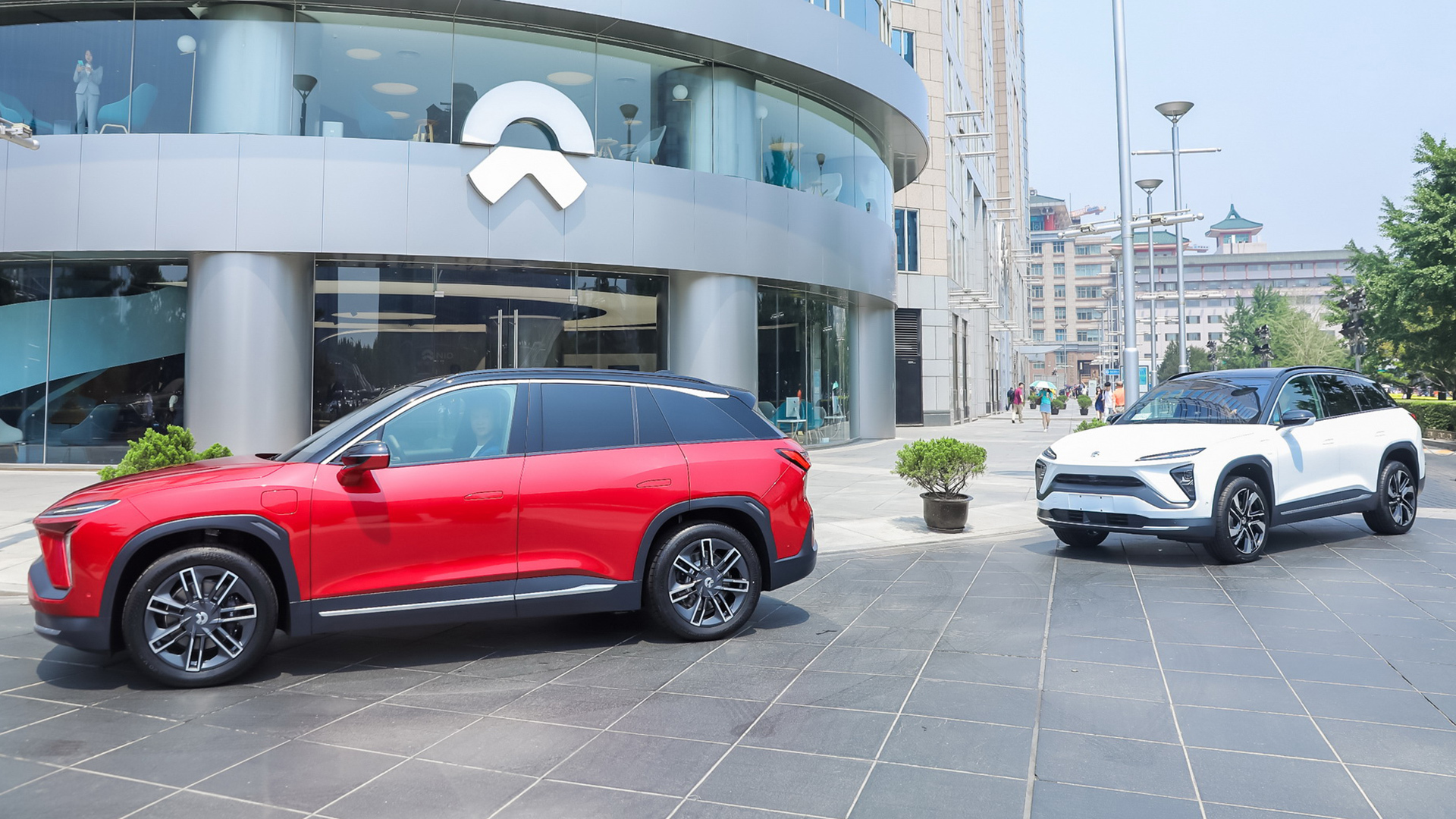
Chinese electric vehicle manufacturer Nio has announced plans to significantly expand its charging and battery swap infrastructure, aiming to install battery charging stations in each of China’s 2,844 counties by June 2025. The company, a leader in the country’s electric vehicle sector, further disclosed its intentions to establish battery swap stations in more than 2,300 counties by the same timeline, with efforts to reach the remaining counties by 2026.

This large-scale expansion is a part of Nio’s broader strategy to address consumer concerns regarding range anxiety, a key hurdle for the widespread adoption of electric vehicles (EVs). Battery charging and swap stations are considered crucial in less developed areas where such infrastructure is sparse. Nio’s innovative battery swap technology allows drivers of compatible vehicles to exchange depleted batteries for fully charged ones in about three minutes, drastically reducing the time spent waiting at conventional charging stations.

Nio’s current infrastructure already includes over 23,000 charging stations and more than 2,480 battery swap stations as of August 2023. The company claims to have completed over 51 million battery swaps, with more than half of the electricity used by Nio vehicles in July derived from these swaps. The expansion of Nio’s infrastructure is not limited to its vehicles, as more than 200 other car brands are reportedly able to use the company’s charging stations. Over 80% of the electricity provided by Nio’s chargers is used by non-Nio vehicles, showcasing the brand’s contributions to China’s growing EV ecosystem.

Picture background

This expansion effort aligns with China’s national agenda to bolster the electric vehicle market, as outlined in its latest five-year plan that commenced in 2021. The plan includes goals for a nationwide fast-charging network, with particular emphasis on ensuring that at least 60% of highway service areas are equipped with such stations. The Chinese government has shown considerable support for the electric vehicle industry, including the development of EV charging infrastructure. In 2023, China reported a 65% increase in the number of charging stations, totaling 8.6 million. This translates to a ratio of one charging station for every 2.4 new energy vehicles sold during that year.

The competition in the electric vehicle market has driven rapid advancements in charging technology, with companies like Zeekr, a subsidiary of Geely, claiming that its new ultra-fast charging stations can charge a battery from 10% to 80% in just 10.5 minutes—surpassing the performance of Tesla’s charging technology. Nio, for its part, is focused on refining both its charging and swapping technologies, while continuing to build strategic partnerships with automakers such as Chang’an and Geely.

Nio’s power business is also expanding, with recent investments such as a 1.5 billion yuan ($210 million) injection led by a Wuhan city-linked fund. While the majority of Nio’s revenue comes from vehicle sales, its power services segment has grown by 5.2% in the first quarter of 2023, contributing 1.53 billion yuan to the company’s earnings.

The company has not yet announced its second-quarter earnings for 2023 but is expected to do so soon. As Nio continues its ambitious expansion plans, the company remains a central player in China’s push to dominate the global electric vehicle market.

The Millau Viaduct: How the World’s Tallest Bridge Transformed the Map of Europe

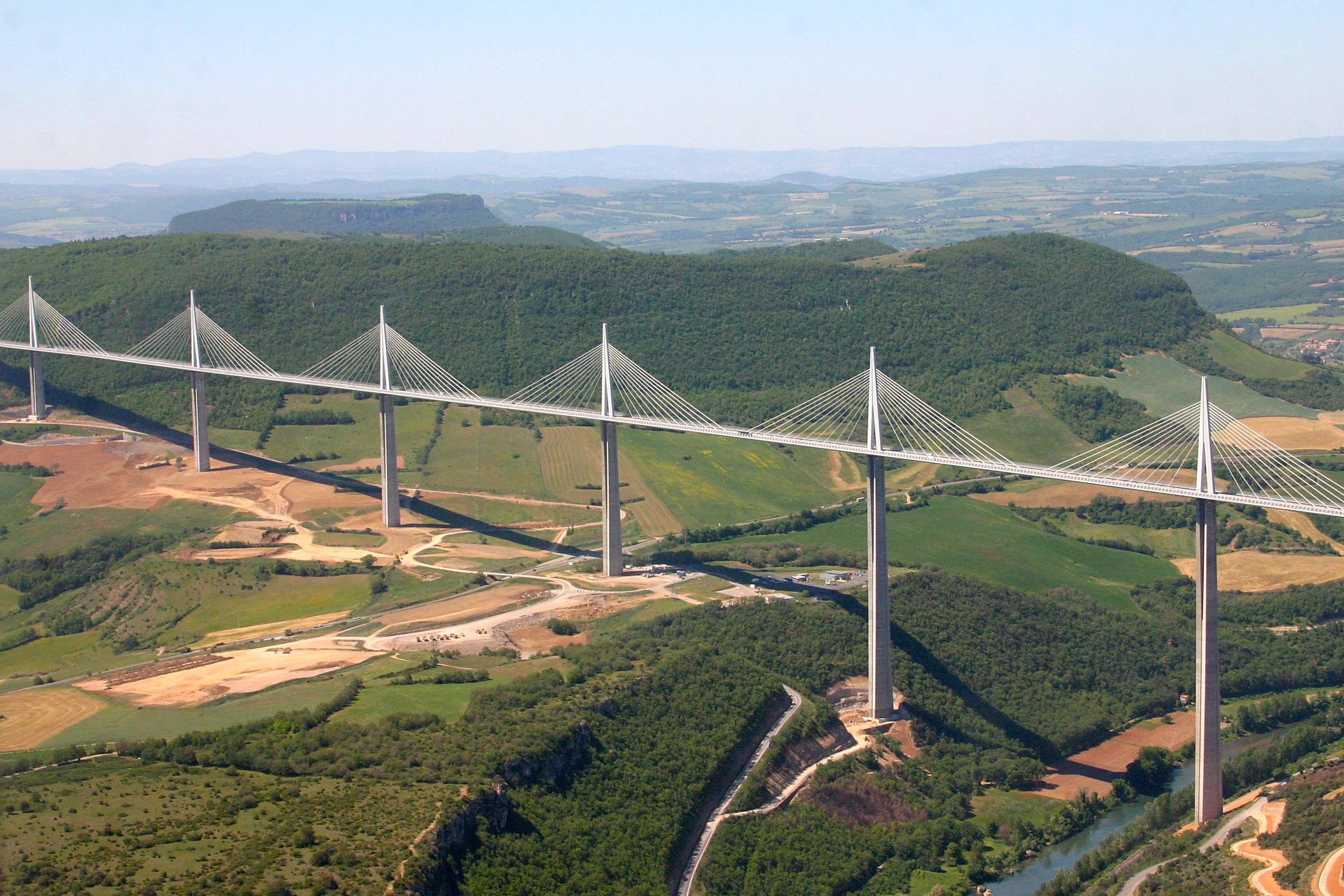
The Millau Viaduct, a stunning feat of engineering and design, has significantly reshaped Europe’s landscape and transportation network. Spanning the Tarn gorge in southern France, this bridge stands as the world’s tallest, with a structural height of 336.4 meters (1,104 feet), and stretches 2,460 meters (8,070 feet) in length. Its striking presence is so notable that it can be seen from space and has become a major destination for tourists.

Unlike traditional bridges that connect points of similar elevation, the Millau Viaduct arches gracefully across a valley, its seven piers ranging from 78 to 245 meters (256 to 804 feet) in height. The bridge’s design includes expansive 342-meter (1,122-foot) spans, allowing it to elegantly navigate the undulating terrain. Its road deck, weighing 36,000 tons and measuring about 14 feet thick, is supported by steel pylons and cable stays that ensure stability and smoothness for travelers.

The viaduct’s creation was driven by the need to alleviate traffic congestion in Millau and improve north-south travel across France. The region’s challenging geography, characterized by deep valleys and highlands, made the project both complex and critical. The French government, aiming to enhance the road network and resolve severe traffic issues, initiated the project in the 1980s.

The design phase, led by engineer Michel Virlogeux and architect Norman Foster, involved overcoming significant challenges. The team decided on a cable-stayed bridge to balance aesthetic beauty with structural efficiency. The viaduct’s slender, elegant design was intended to blend with the natural landscape rather than dominate it.

Construction began in October 2001 and was completed in December 2004, costing approximately 400 million euros ($437 million). Despite initial local opposition fearing the bridge would mar the scenic beauty of the area, the viaduct ultimately enhanced the landscape and attracted tourists. Its creation resolved long-standing traffic issues and transformed Millau into a prominent destination.

The viaduct not only improved travel efficiency but also contributed to environmental benefits by reducing CO2 emissions from heavy vehicles. As it nears its 20th anniversary, the Millau Viaduct remains a testament to modern engineering and design, continuing to captivate visitors and stand as a symbol of innovative infrastructure.