Yazılar

Institutional Investors Rebalance Bitcoin ETF Positions Amid Q1 Price Slump

Institutional investors showed mixed sentiment toward spot Bitcoin exchange-traded funds (ETFs) in the first quarter of 2025, with several high-profile asset managers reducing their stakes as Bitcoin’s price fell 12%. The shift contrasts with earlier quarters, when interest in the new ETF asset class had been rising steadily.

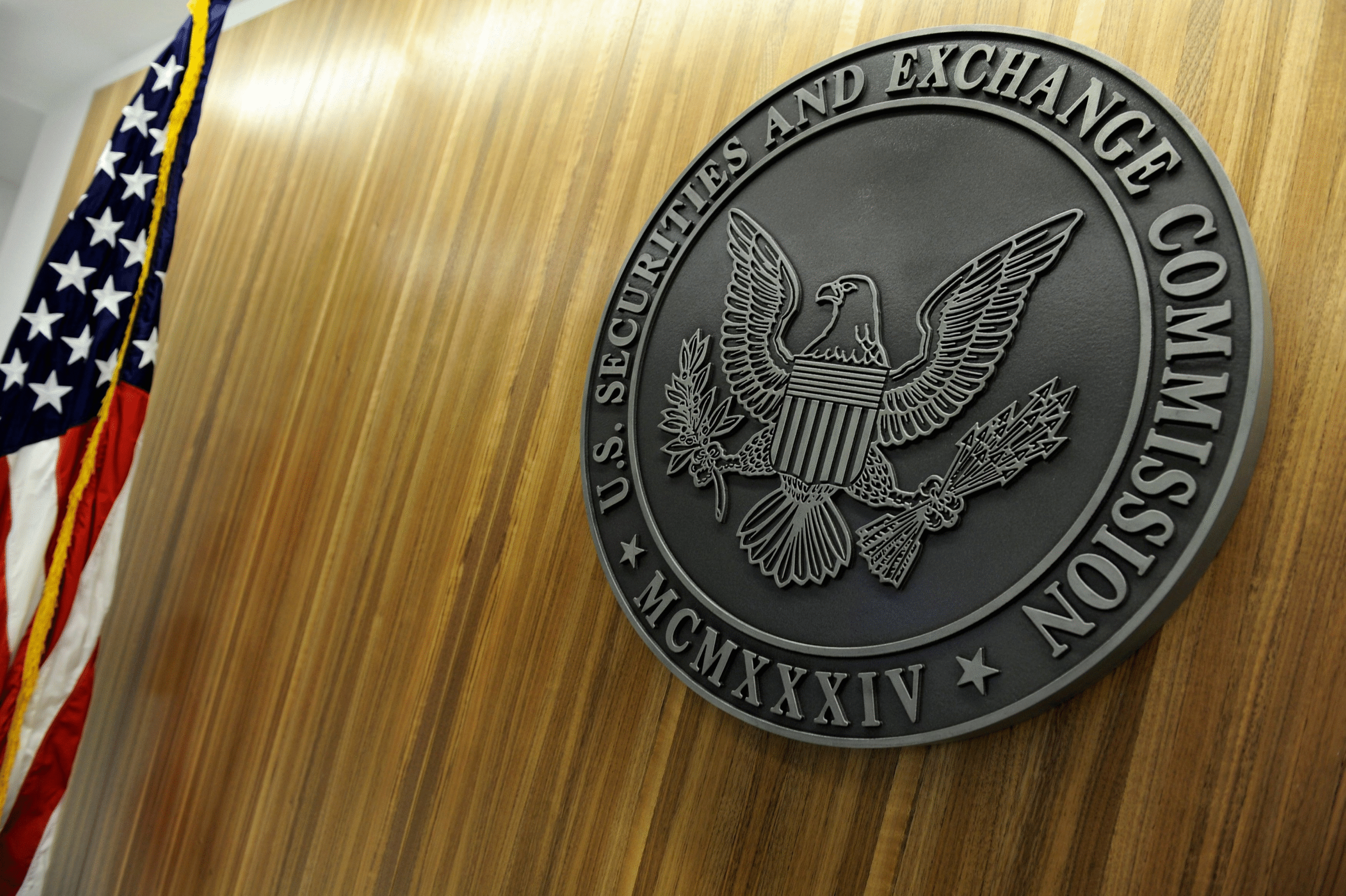
The data, drawn from recent SEC 13-F filings, reflects growing complexity in institutional strategies toward spot Bitcoin ETFs, which debuted in January 2024.

Hedge Funds Trim, Advisors Rebalance:

  • Hedge funds notably reduced exposure, largely due to the collapse of the bitcoin futures premium, which previously enabled a profitable basis trade.

The premium collapsed and reached its nadir around the end of March,” said Matt Hougan, CIO of Bitwise Asset Manager. “I’m not surprised to see hedge funds trim their holdings.”

Notable Moves:

  • Millennium Management LLC:

    • Cut its iShares Bitcoin Trust (IBIT) stake by 41% to 17.6 million shares

    • Exited its position in the Invesco Galaxy Bitcoin ETF (BTCO)

    • Increased positions in ARK 21 Shares Bitcoin ETF (ARKB) and Grayscale Bitcoin Mini Trust (BTC.P)

  • Brevan Howard reduced its IBIT stake by 15.6%

  • State of Wisconsin Investment Board fully sold its 6 million-share stake in IBIT

  • Brown University entered the crypto ETF space for the first time, with a $4.9 million stake in IBIT

  • Abu Dhabi’s Mubadala added to its IBIT position, now holding 8.7 million shares worth $408.5 million

Broader Trends:

While hedge funds pulled back, sovereign wealth funds and universities showed growing interest or continued commitment, reflecting longer-term strategic positioning rather than short-term trading.

What will be most important… is whether more investment advisory firms are stepping in,” said Hougan.
That wave of adoption may be a slow-moving train, but it has forward momentum.”

Outlook:

Despite recent volatility and shifting positions, institutional investment in spot bitcoin ETFs is far from fading. The Q1 data suggests that risk appetite and investment horizons continue to diverge across institutional types, highlighting the evolving role of crypto in diversified portfolios.

Coinbase Acquires Deribit for $2.9 Billion to Expand Crypto Options Reach

Coinbase, the largest publicly traded cryptocurrency exchange, announced a $2.9 billion acquisition of Deribit, a leading crypto derivatives platform, as it looks to strengthen its position in global crypto options trading and cater to a growing base of institutional and advanced retail investors.

The deal, comprising $700 million in cash and 11 million shares of Coinbase’s Class A stock, marks a strategic expansion beyond the U.S. and into derivatives-heavy markets such as Asia and Europe, where leveraged trading is more common. Deribit, known for its dominant role in crypto options, will provide Coinbase with a significant foothold in these international markets.

According to analysts, the acquisition positions Coinbase to benefit from the increasing demand for options as a hedging tool—especially during market volatility—while also opening doors for regulatory-compliant expansion should the U.S. legalize crypto options and perpetuals trading domestically.

This acquisition gives Coinbase a real chance to become the go-to platform for derivatives trading in crypto globally,” said Bo Pei of US Tiger Securities. He added that the move reflects a broader trend of U.S.-based firms consolidating market share and scaling into more sophisticated financial products.

Coinbase has already seen record growth in both consumer and institutional derivatives volumes in the last quarter, even though it’s still in the early stages of the derivatives business. Its stock rose 5.7% on the announcement, partially recovering from a 21% decline earlier in 2025. The company is scheduled to report its Q1 earnings after Thursday’s market close.

The move also comes amid renewed political and regulatory interest in crypto. Former President Donald Trump has recently pledged to make the U.S. a global leader in digital assets, a stance that has encouraged optimism among crypto companies and investors alike.

Other firms are also making bold plays: Ripple recently acquired Hidden Road for $1.25 billion, and Kraken bought NinjaTrader for $1.5 billion to expand into retail futures. Analysts expect more consolidation ahead, with U.S. firms likely leading the wave.

Coinbase’s acquisition of Deribit may serve as a milestone in reshaping the competitive landscape of the crypto derivatives market — potentially giving it a long-term edge as global regulations evolve.

SoFi Secures Up to $5 Billion Loan Agreement as Fintech Lending Grows

SoFi (SOFI.O) has finalized a significant agreement with Blue Owl Capital, a leading asset management firm, to secure a loan facility of up to $5 billion. This deal marks a key milestone in SoFi’s expansion into the fintech lending space, as more consumers shift away from traditional banks and embrace digital-first financial services.

WHY IT’S IMPORTANT
The rising trend of high interest rates, stricter bank lending standards, and the growing preference for digital, user-friendly financial platforms have led consumers to gravitate toward fintech lenders. These platforms, like SoFi, are known for faster approval times, flexible credit options, and simplified application processes, making them increasingly popular among borrowers. At the same time, institutional investors are drawn to fintech loans due to their higher yield potential compared to other fixed-income investments.

CONTEXT
SoFi’s two-year agreement with Blue Owl Capital is the company’s largest loan deal to date and highlights the growing demand for personal loans from both consumers and debt investors. Under the terms of the agreement, SoFi will serve as an intermediary by referring pre-qualified borrowers to lending partners or originating loans on behalf of third parties. This approach enhances accessibility to borrowing while continuing to diversify SoFi’s revenue streams. The deal also supports SoFi’s long-term strategy of shifting towards more fee-based income sources, which are less capital-intensive.

In October 2024, SoFi also announced a $2 billion agreement for personal loans with affiliates of Fortress Investment Group.

BY THE NUMBERS
In 2024, SoFi’s loan platform originated $2.1 billion in loans, reinforcing the fintech’s ability to attract capital for personal loans. SoFi’s fee-based revenue surged 74% to $969.9 million, driven by strong performances in origination fees, its loan platform business, and income from interchange, brokerage, and referrals.