Yazılar

Intel CEO Pat Gelsinger Steps Down Amid Board’s Lack of Confidence in Turnaround Plan

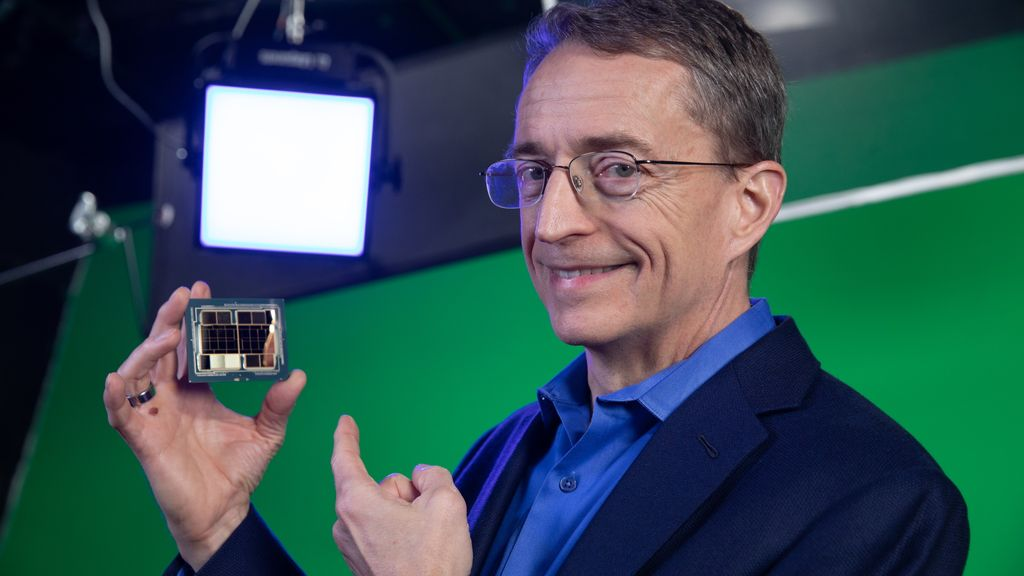
Intel CEO Pat Gelsinger has resigned after nearly four years in office, following a board decision to replace him due to dissatisfaction with his ambitious turnaround strategy. The decision comes at a pivotal time for the chipmaker as it struggles to regain its competitive edge in the semiconductor market.

Key Details

  • Departure Circumstances: Gelsinger was asked to step down after a recent board meeting where his progress was deemed insufficient. The board offered him the option to retire or be removed, and he chose to resign.
  • Interim Leadership: Intel has appointed CFO David Zinsner and senior executive Michelle Johnston Holthaus as interim co-CEOs while a search for a permanent successor is underway.
  • Challenges During Tenure: Gelsinger inherited significant operational issues and faced market setbacks, including a failed AI-chip strategy and declining stock performance. Intel shares have fallen by over 60% under his leadership, losing its position in the Dow Jones Industrial Average to rival Nvidia.
  • Spending Spree and Fallout: Gelsinger’s ambitious $20 billion investment in new factories coincided with a downturn in the PC and laptop markets. The spending spree led to margin pressure, layoffs, and consideration of asset sales.

Strategic Missteps

  • Lagging AI Initiatives: Gelsinger’s Intel failed to deliver a viable AI chip competitor to Nvidia, a leader in the booming artificial intelligence sector.
  • Foundry Business Struggles: While the company pursued a shift to contract manufacturing, it secured only a few clients like Microsoft and Amazon, falling short of generating the volumes needed for profitability.
  • Board Tensions: Disagreements over Gelsinger’s strategy caused friction among board members, leading to the departure of Lip-Bu Tan, a key director with a track record of turning around chip firms.

Market and Industry Impact

  • Stock Performance: Intel’s shares fell by 0.5% following the announcement, while rivals AMD and Nvidia saw gains amid broader semiconductor index growth.
  • Competitor Dominance: Nvidia continues to dominate the AI-chip market, while AMD advances in innovative chip solutions, leaving Intel trailing in a competitive industry.

Next Steps

The board, chaired by Frank Yeary, has emphasized its commitment to restoring investor confidence and ensuring Intel’s manufacturing competitiveness. However, Gelsinger’s departure leaves questions about the future of Intel’s strategic direction and its ability to compete in a rapidly evolving semiconductor landscape.


Intel Faces Significant Revenue Decline as Chipmaker Struggles to Recover

Intel is poised to report its most significant quarterly revenue decline in over a year, with projections indicating an 8% drop, which would bring its earnings to approximately $13.02 billion. This downturn highlights ongoing struggles within the company, particularly in its data center and personal computer sectors, where market share continues to slip. After years of dominance in the semiconductor industry, Intel’s inability to adapt to changing market conditions and technological trends is now casting a shadow over its future prospects.

A key area of concern for shareholders is the performance of Intel’s contract manufacturing business, which has been underperforming, further straining the company’s financial health. In addition, Intel has failed to capitalize on the explosive growth of generative AI, a sector where competitors have thrived by providing specialized chips for machine learning and other AI-driven applications. Intel’s missed opportunity to invest in OpenAI, one of the leading players in the AI revolution, has only added to investor concerns about the company’s strategic direction.

CEO Pat Gelsinger, who took the helm at Intel with a promise to restore the company’s market leadership, now faces heightened pressure as losses continue to mount. Shareholders are increasingly focused on his plans to address Intel’s ongoing struggles, particularly with respect to its next-generation manufacturing technology. Gelsinger’s ability to turn things around hinges on Intel’s capacity to innovate and roll out new chips that can compete with the likes of AMD and Nvidia, who have both gained ground in the data center and AI markets.

As Intel looks to regain its footing, investors are keen for any sign that the company can reverse its fortunes. Gelsinger’s upcoming earnings call will likely serve as a critical moment for Intel, with many looking for clearer insights into the company’s roadmap for recovery, its investments in emerging technologies, and how it plans to address the competitive challenges it faces.

Tech Leaders Congratulate Donald Trump on Presidential Election Victory

Several high-profile tech CEOs extended their congratulations to President-elect Donald Trump and Vice President-elect JD Vance following Trump’s win in the U.S. presidential election. These statements, posted on social media, expressed support for Trump’s return to the Oval Office and emphasized a shared focus on technology advancement and economic growth.

Amazon
Jeff Bezos, Amazon’s founder and executive chairman, congratulated Trump in a post on X, calling his win an “extraordinary political comeback and decisive victory.” Although Bezos and Trump clashed during Trump’s first term over issues like Amazon’s tax practices and The Washington Post’s editorial stance, Bezos has recently adopted a more conciliatory approach. He praised Trump for his “courage under literal fire” after the attempted assassination attempt on Trump this past summer. Amazon CEO Andy Jassy also extended his congratulations, expressing hope to collaborate on issues impacting Amazon’s customers and employees.

OpenAI
OpenAI CEO Sam Altman wrote on X that he wishes Trump “huge success in the job.” Altman emphasized the importance of the U.S. maintaining its leadership in artificial intelligence and expressed optimism about continuing to develop AI aligned with democratic values.

Meta
Mark Zuckerberg, CEO of Meta, congratulated Trump on what he described as a “decisive victory.” Zuckerberg said he looked forward to working with Trump on shared opportunities and goals, despite their sometimes tense history, notably Meta’s suspension of Trump’s Facebook account in the aftermath of the January 6 events.

Tesla and X
Elon Musk, CEO of Tesla and X (formerly Twitter), was another vocal supporter. Musk has been a prominent backer of Trump’s campaign and contributed $75 million to America PAC, a pro-Trump political action committee he founded. Musk, who is expected to lead a government efficiency commission under Trump, celebrated the win, which sent Tesla’s stock surging by over 13%.

Alphabet (Google)
Sundar Pichai, CEO of Alphabet, Google’s parent company, offered his congratulations to Trump and expressed a commitment to working together on technology-driven initiatives.

Intel
Intel CEO Pat Gelsinger also extended his congratulations, stating that Intel looks forward to collaborating with Trump’s administration to advance America’s technological and manufacturing leadership. Intel, currently restructuring to regain its position in the global chip market, could benefit if Trump and the Republican Congress pursue an agenda that replaces the Biden-Harris administration’s CHIPS and Science Act.

Cisco
Chuck Robbins, Cisco’s CEO, wrote that his company is eager to collaborate on policies supporting “connectivity, innovation, and cybersecurity.” Robbins highlighted Cisco’s readiness to work with Trump and Congress on key technological issues.

Box and Dell Technologies
Box CEO Aaron Levie also congratulated Trump on his win, describing it as a “wild ride” and noting his optimism about America’s future growth trajectory. Michael Dell, CEO of Dell Technologies, added his congratulations on X.

This election victory has brought a chorus of industry leaders expressing hope for collaboration on economic policies that could impact technology, innovation, and global competitiveness, aligning with Trump’s focus on strengthening American industries.