Yazılar

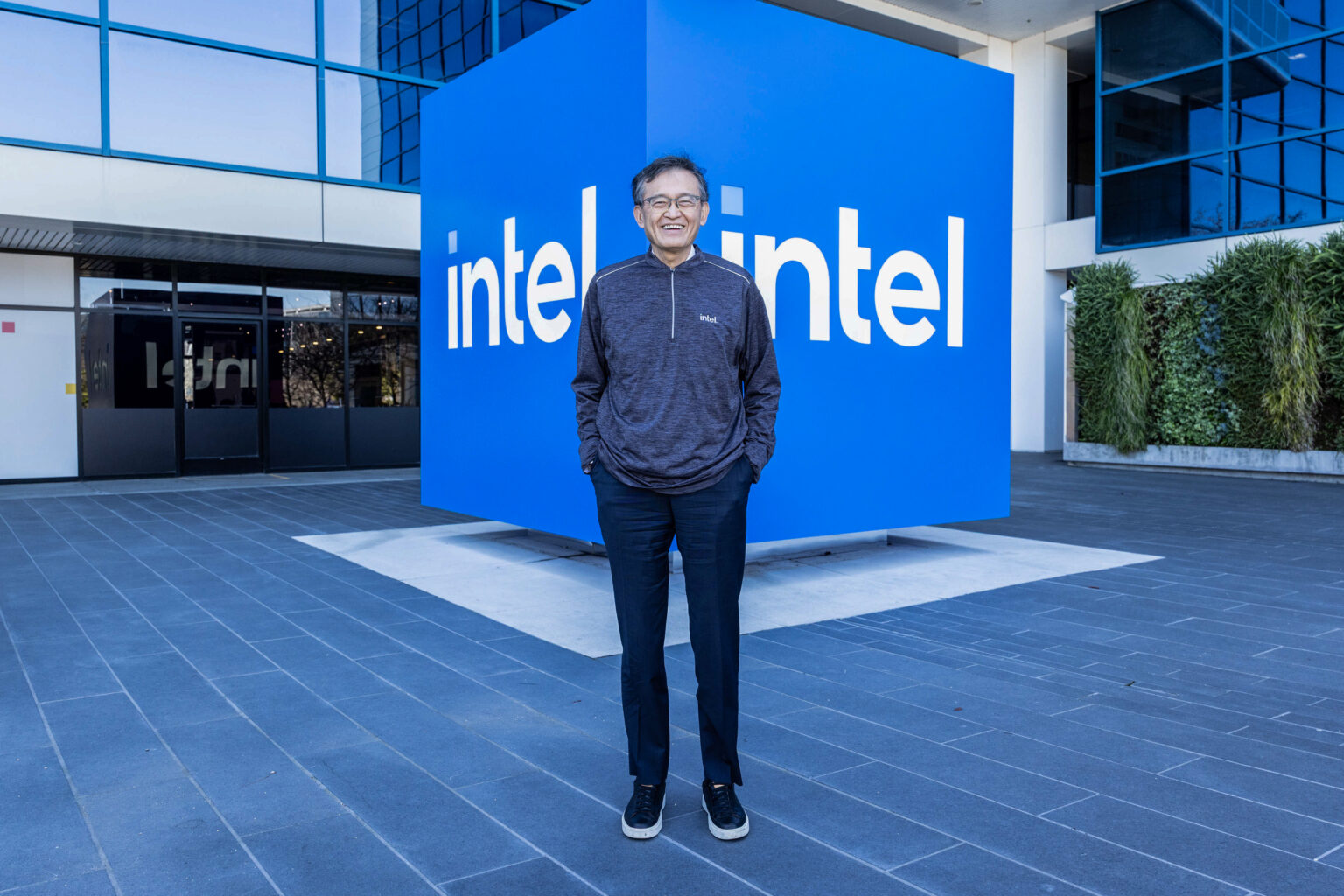
Intel CEO Lip-Bu Tan Takes Charge of AI Strategy After CTO Departs for OpenAI

Intel announced that its CEO Lip-Bu Tan will directly oversee the company’s artificial intelligence strategy, following the departure of Chief Technology Officer Sachin Katti to OpenAI, the creator of ChatGPT.

Katti, who had led Intel’s AI division since a major management reshuffle in January, revealed on X (formerly Twitter) that he joined OpenAI, where he will focus on building the company’s compute infrastructure to support artificial general intelligence (AGI) research.

Intel confirmed the move in a statement, saying: “We thank Sachin for his contributions and wish him all the best. Lip-Bu will lead the AI and Advanced Technologies Groups, working closely with the team. AI remains one of Intel’s highest strategic priorities.”

The leadership change comes at a crucial time for Intel, which is working to reposition itself in the AI chip race dominated by Nvidia and TSMC. While Intel’s CPUs are still widely used in AI server systems, the company has struggled to deliver a competitive data center AI chip to match Nvidia’s specialized silicon.

Katti joined Intel four years ago, initially heading its networking group before being promoted by then-CEO Pat Gelsinger. Under Tan, who took over in March 2025, Katti became both Chief Technology Officer and Chief AI Officer in April, part of a broader restructuring to streamline decision-making.

Tan, a seasoned industry leader known for bold turnarounds, has been reshaping Intel’s leadership. He recently expanded Naga Chandrasekaran’s responsibilities to strengthen Intel’s foundry operations and hired Kevork Kechichian, formerly of Arm, to head its data center division.

Intel continues to emphasize AI as central to its recovery strategy amid fierce global competition.

NextSilicon Unveils New Processor to Compete with Intel, AMD, and Nvidia

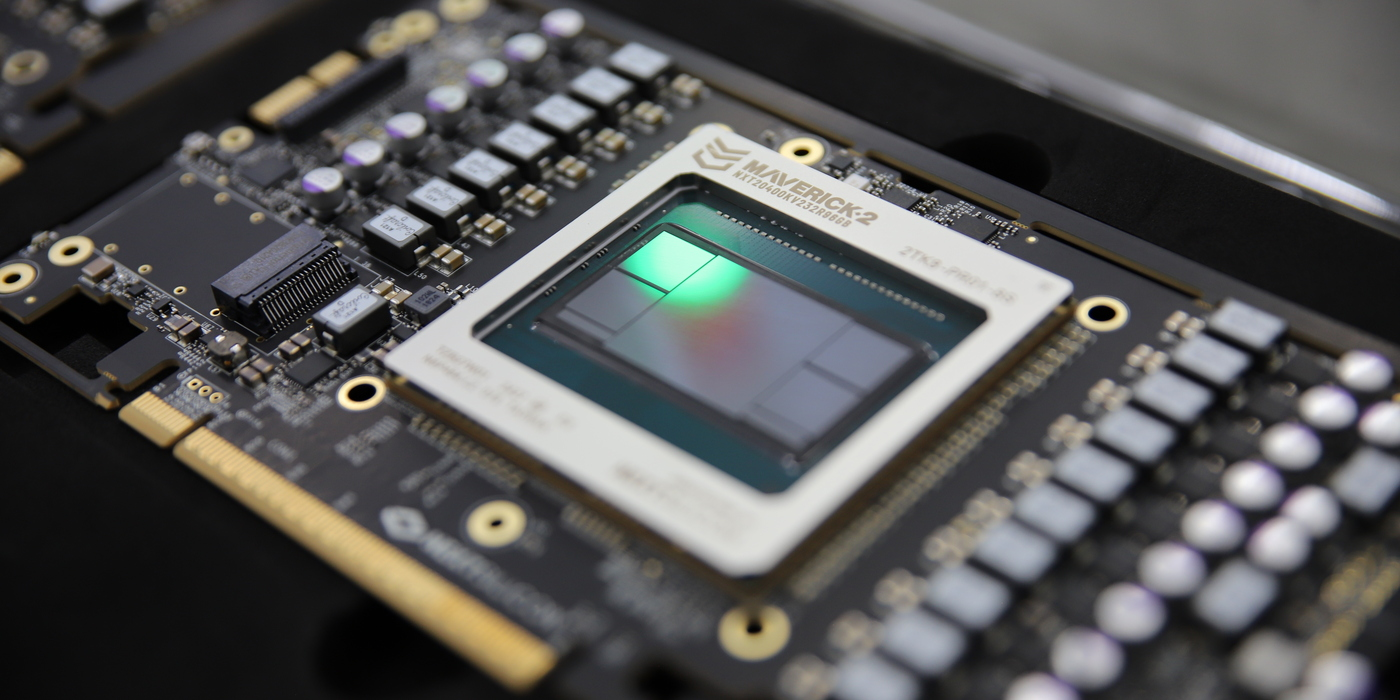
Israeli startup NextSilicon has announced the development of a new central processing unit (CPU) aimed at challenging industry leaders Intel and AMD, while positioning itself as an alternative to Nvidia’s computing systems. The company’s flagship “Maverick-2” chip is already in production and is designed for high-precision scientific computing tasks such as nuclear weapons modeling — an area historically dominated by Nvidia.

NextSilicon, which has raised $300 million in funding, revealed that its upcoming CPU is based on RISC-V, an open-source instruction set architecture increasingly adopted by major chipmakers like Nvidia and Broadcom. The CPU is currently a test prototype but will eventually complement the company’s Maverick-2 chip to create a more complete high-performance computing ecosystem.

The startup claims its chips can perform certain computations faster and more efficiently than Nvidia’s offerings, without requiring software rewrites. U.S. Sandia National Laboratories has been testing systems powered by NextSilicon chips for three years. According to senior scientist James H. Laros III, the results have been “impressive,” showing strong potential for advancing computational performance while minimizing code changes.

Intel’s Results to Reveal If Multibillion-Dollar Rescue Plan Is Working

All eyes are on Intel’s third-quarter earnings report this Thursday, as investors look for signs that a wave of multibillion-dollar investments from Nvidia, SoftBank, and the U.S. government is stabilizing the struggling chipmaker under its new CEO Lip-Bu Tan.

The fresh funding has lifted Intel’s shares nearly 100% this year, outperforming even AI titan Nvidia, though expectations are high. Analysts expect a 1% drop in quarterly revenue to $13.14 billion, according to LSEG data, and a per-share loss of $0.22. Shares fell 4.5% on Wednesday, ahead of the results.

Investors are eager for clarity on whether the cash infusions are enough to revive Intel’s finances after years of costly manufacturing missteps under former CEO Pat Gelsinger. “The big question is: what does Intel’s big picture look like now, and what does their cash position look like?” said Joe Tigay, portfolio manager at Rational Equity Armor Fund.

The deals have handed Intel a crucial cash lifeline:
Nvidia invested $5 billion, acquiring about a 4% stake.
SoftBank added another $2 billion.
– The U.S. government took a 10% stake worth $8.9 billion, after tensions over Tan’s China ties sparked political backlash.

While these moves strengthen liquidity, they also dilute Intel’s earnings per share, analysts warn. “Share dilution is the least of Intel shareholders’ worries,” said Ryuta Makino of Gabelli Funds, noting that investors are focused on the company’s long-term strategy.

Despite new funding, Intel continues to lose ground to AMD and Arm-based rivals in CPUs, while remaining a minor player in the AI chip market dominated by Nvidia. However, the company is seeing renewed strength in PCs, with shipments rising 8% globally, and its PC division revenue expected to jump 11% to $8.12 billion.

Intel’s Panther Lake processor, built on its new 18A manufacturing node, is expected to begin shipping by late 2025 — a key test for Tan’s revised strategy, which scaled back Gelsinger’s aggressive factory expansion.

Revenue in Intel’s data center unit is projected to grow 18% to $3.95 billion, fueled by booming demand for server CPUs that pair with AI GPUs. The manufacturing segment, however, is expected to stay flat at $4.37 billion.

“The markets are giving Intel a lot of patience,” said Tigay. “These investments buy them time — but soon, the products will need to speak for themselves.”