Yazılar

Russia’s Central Bank Proposes Crypto Investment Opportunity for Wealthy Individuals

Russia’s central bank has proposed a new regulation to allow wealthy individuals to invest in cryptocurrencies under a controlled framework. Announced on Wednesday, the plan outlines that “specially qualified” investors, including certain wealthy individuals and businesses, will be able to trade crypto assets as part of an experimental legal regime. This move is a further softening of the central bank’s previously strict stance on cryptocurrencies.

Last year, the central bank supported legislation that allowed businesses to use cryptocurrencies for international trade, helping Russian firms navigate Western sanctions imposed due to the conflict in Ukraine.

According to the bank’s proposal, the experiment will be limited to investors who meet certain financial thresholds: individuals must have investments in securities and deposits totaling over 100 million rubles ($1.15 million) or an annual income exceeding 50 million rubles. The bank views this initiative as a means to increase the transparency of the cryptocurrency market while cautioning potential investors about the risks involved in trading crypto.

However, despite these developments, cryptocurrency will still remain banned as a payment method in Russia, as the central bank continues to regulate its use cautiously.

Apple Receives Local Content Certificates in Indonesia, Still Needs Additional Permits to Sell iPhone 16

On Friday, Indonesia issued local content certificates for 20 Apple products, including the highly anticipated iPhone 16. However, the company still requires additional permits from other government ministries before it can begin selling these devices in the country.

The issuance of these certificates follows Apple’s recent announcement of more than $300 million in investments in Indonesia, including funding for plants producing components for its products and establishing a research and development center. This move comes after Indonesia imposed a ban on iPhone 16 sales last year due to Apple’s failure to meet local content requirements.

Apple was granted certificates for 11 phone models and 9 tablets, having successfully met the necessary criteria, according to industry ministry spokesperson Febri Hendri Antoni Arief. However, Apple still needs permits from the communications and digital ministry as well as the trade ministry to begin selling its products in Indonesia.

Despite making progress, Apple has yet to receive a response from the relevant Indonesian ministries regarding its requests. Negotiations between the tech giant and Indonesia’s government had been described as “tricky” by the country’s industry minister.

According to research firm Canalyst, Apple was not among the top five smartphone brands in Indonesia in the third quarter of the previous year, highlighting the challenge the company faces in regaining market share.

TSMC CEO Highlights U.S. Investment Driven by Strong Customer Demand

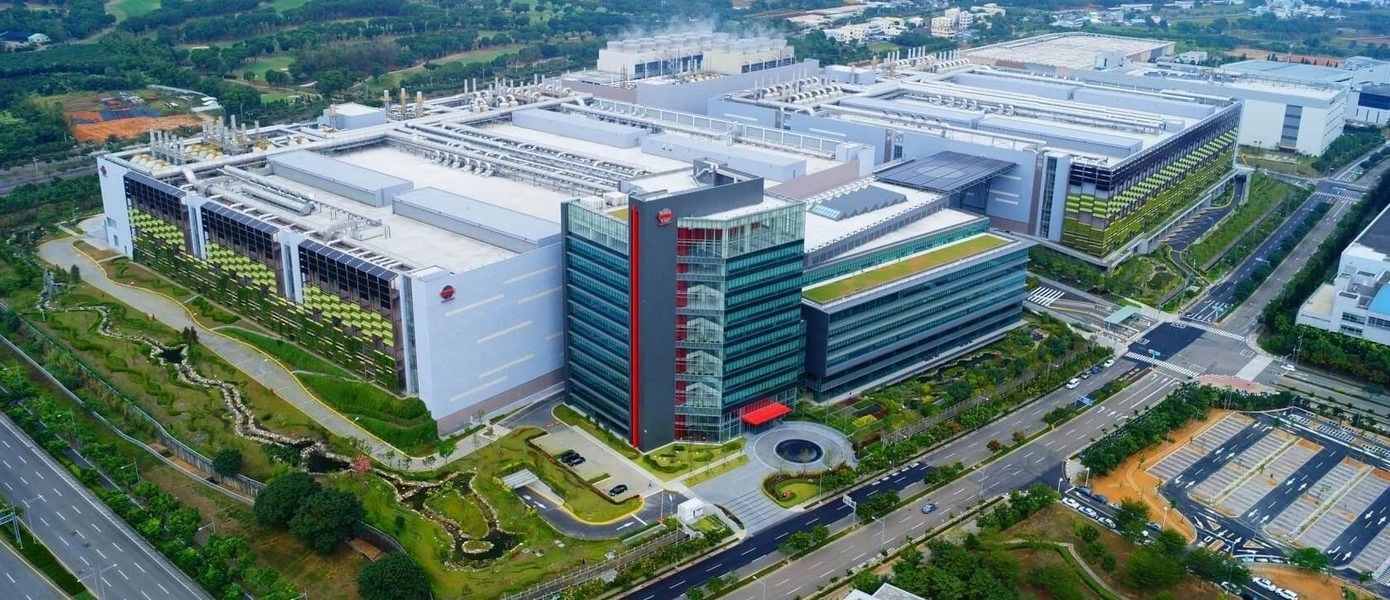
Taiwanese semiconductor giant TSMC (2330.TW) announced that its increased investment in the United States is primarily driven by strong customer demand, with production lines already fully booked for this year and the next two years. CEO C.C. Wei revealed the company’s expansion plans during a press conference at Taiwan’s presidential office on Thursday. Wei emphasized that TSMC’s $100 billion investment plan, unveiled this week, would not affect its ongoing expansion efforts in Taiwan, despite concerns that overseas investments might harm the island’s semiconductor industry.

TSMC, the world’s largest contract chipmaker, plans to construct five additional chip facilities abroad, including in the U.S., Japan, and Germany. This expansion comes in response to demands from major U.S. clients like Apple, Nvidia, and Qualcomm. While TSMC is planning three new production lines in the U.S. over the coming years, it is also set to build 11 new production lines in Taiwan this year, a sign that Taiwan remains crucial to the company’s global operations.

Wei’s comments follow ongoing pressure from former U.S. President Donald Trump, who has criticized Taiwan for taking U.S. semiconductor business and has advocated for bringing semiconductor manufacturing back to U.S. soil. Taiwan President Lai Ching-te assured that Taiwan has not faced external pressure from the U.S. during TSMC’s investment decisions and pledged government support for the company’s domestic expansion.

While Taiwan maintains its dominance in the global semiconductor industry, concerns about over-reliance on the island, particularly amid rising tensions with China, have prompted discussions about diversifying production sites. TSMC’s expansion into the U.S. is seen as a potential solution to address supply chain risks for American technology companies.

Despite these developments, Trump recently called for the repeal of the 2022 bipartisan law that provides $52.7 billion in U.S. subsidies for semiconductor manufacturing, suggesting the funds should instead be used to pay off national debt.