Yazılar

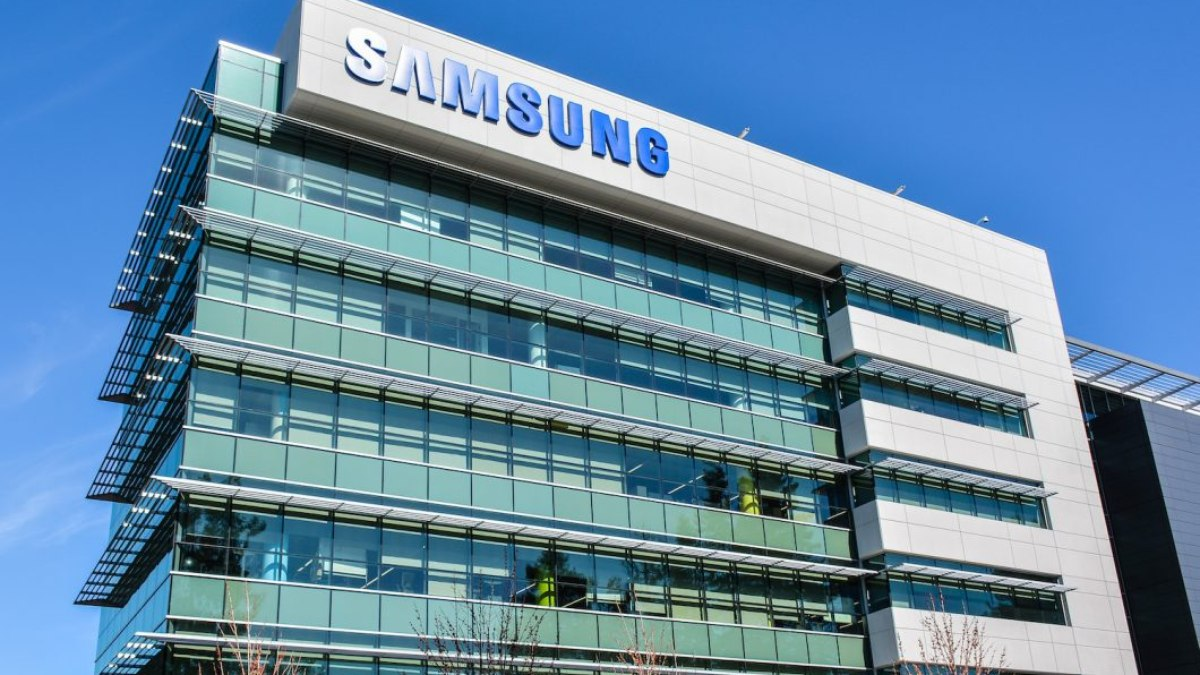
Samsung Electronics Becomes Largest Shareholder of South Korea’s Rainbow Robotics

Samsung Electronics has increased its investment in South Korea’s Rainbow Robotics, making it the largest shareholder in the robotics firm. According to a regulatory filing on Tuesday, Samsung has acquired a 267 billion won ($181 million) stake in Rainbow Robotics. Prior to this, Samsung was the second-largest shareholder with a 14.71% stake, or about 2.85 million shares. The largest shareholder at the time was the company’s founder, Oh Jun-ho, and related entities.

As part of this acquisition, Samsung is also establishing a new Future Robotics Office that will report directly to the CEO. This move reflects Samsung’s increasing commitment to the robotics industry, an area that is becoming a strategic focus for the technology giant. Samsung had previously made investments in Rainbow Robotics, but this latest development positions the company as a more dominant player in the robotics sector.

BMW and Yamaha Motor Invest in U.S. Rare Earths Startup Phoenix Tailings

BMW and Yamaha Motor have joined several other investors in backing U.S.-based rare earths processing startup Phoenix Tailings. The $43 million Series B funding round, which closed on December 20, will help Phoenix scale its operations to meet the increasing demand for rare earths outside of China. These metals, crucial for the production of magnets used in electric vehicles, electronics, and other technology, are essential to the transition to clean energy.

Rare earths are primarily refined using the solvent extraction method, which has become outdated in the U.S. due to its environmental costs. Chinese companies have dominated this process for decades, but recent actions by Beijing to limit exports have led to a global scramble for alternative sources and technologies. Phoenix Tailings claims its innovative process can produce rare earths from mined ore or recycled equipment with little to no emissions, offering a cleaner solution to the existing industry standards.

The investment round includes venture capital funds such as Envisioning Partners, MPower, and Escape Velocity, alongside BMW and Yamaha’s venture arms. Phoenix plans to use the funds to build a $13 million facility in Exeter, New Hampshire, scheduled to open by June 2025. The facility will have the capacity to produce 200 metric tons of rare earths annually.

Phoenix has already signed over $100 million in supply contracts but has not disclosed the partners. The company’s plans also include scaling its operations with larger processing plants in the U.S. if the Exeter site proves successful. With 33 employees, Phoenix aims to go public within three to five years.

The company’s approach of focusing on rare earths processing rather than mining sets it apart from competitors such as MP Materials and Lynas Rare Earths. Phoenix is also applying for U.S. government loans and grants to support its growth.


Bitcoin Surges in 2024, Fuelled by ETF Approval and Trump Optimism

Bitcoin has more than doubled in value in 2024, reaching new heights following the approval of exchange-traded funds (ETFs) tied to its spot price by U.S. markets regulators and growing optimism over regulatory changes with Donald Trump set to return to the White House. Earlier this month, the cryptocurrency hit a significant milestone, surpassing $100,000, sparking renewed excitement among its supporters.

The cryptocurrency sector has experienced substantial growth this year, with Bitcoin surging more than 120% and Ether, the second-largest cryptocurrency, rising nearly 50%. This surge has propelled the market’s overall value to approximately $3.5 trillion, according to data from CoinGecko. Analysts predict that the momentum will continue into 2025, with some projecting Bitcoin could reach $200,000 by late next year.

MicroStrategy, a software firm that has become the largest corporate holder of Bitcoin, has seen its stock price soar nearly five-fold in 2024. The company’s stock is now considered a proxy for Bitcoin, with its price movements closely linked to the sentiment surrounding the digital asset. Other smaller companies are following suit, allocating portions of their cash to Bitcoin.

In a client note, analysts at brokerage firm Bernstein stated that they expect Bitcoin to evolve into a premier “store of value” asset, potentially replacing gold within the next decade and becoming a staple of institutional multi-asset allocation and corporate treasury management.

The surge in Bitcoin’s value began in January when the U.S. Securities and Exchange Commission approved the first ETFs tracking Bitcoin’s spot price. This approval marked a significant turning point for the cryptocurrency industry, giving it institutional legitimacy and broadening its appeal to mainstream investors. Major finance firms such as BlackRock and Fidelity launched Bitcoin-related ETFs, further strengthening the asset’s position.

Additionally, the election victory of Donald Trump, who has pledged to make the U.S. the “crypto capital of the planet,” boosted optimism in the sector. Trump’s pro-crypto stance attracted substantial donations from crypto advocates who hoped to elect candidates favorable to the industry.

The 2024 rally also benefited various crypto-related stocks, with winners including MicroStrategy, crypto exchange Coinbase, and Bitcoin miner Hut 8. However, some crypto miners faced challenges due to shrinking profit margins caused by rising energy and hardware costs, leading to significant losses. Riot Platforms, Marathon Digital, and Bit Digital saw declines of 26% to 32% in their stock prices this year.