Yazılar

iPhone 17 Back Panel Design Leaked, Revealing New Pixel-Inspired Camera Module

iPhone 17 Leak Reveals New Rear Camera Design, Inspired by Pixel Series

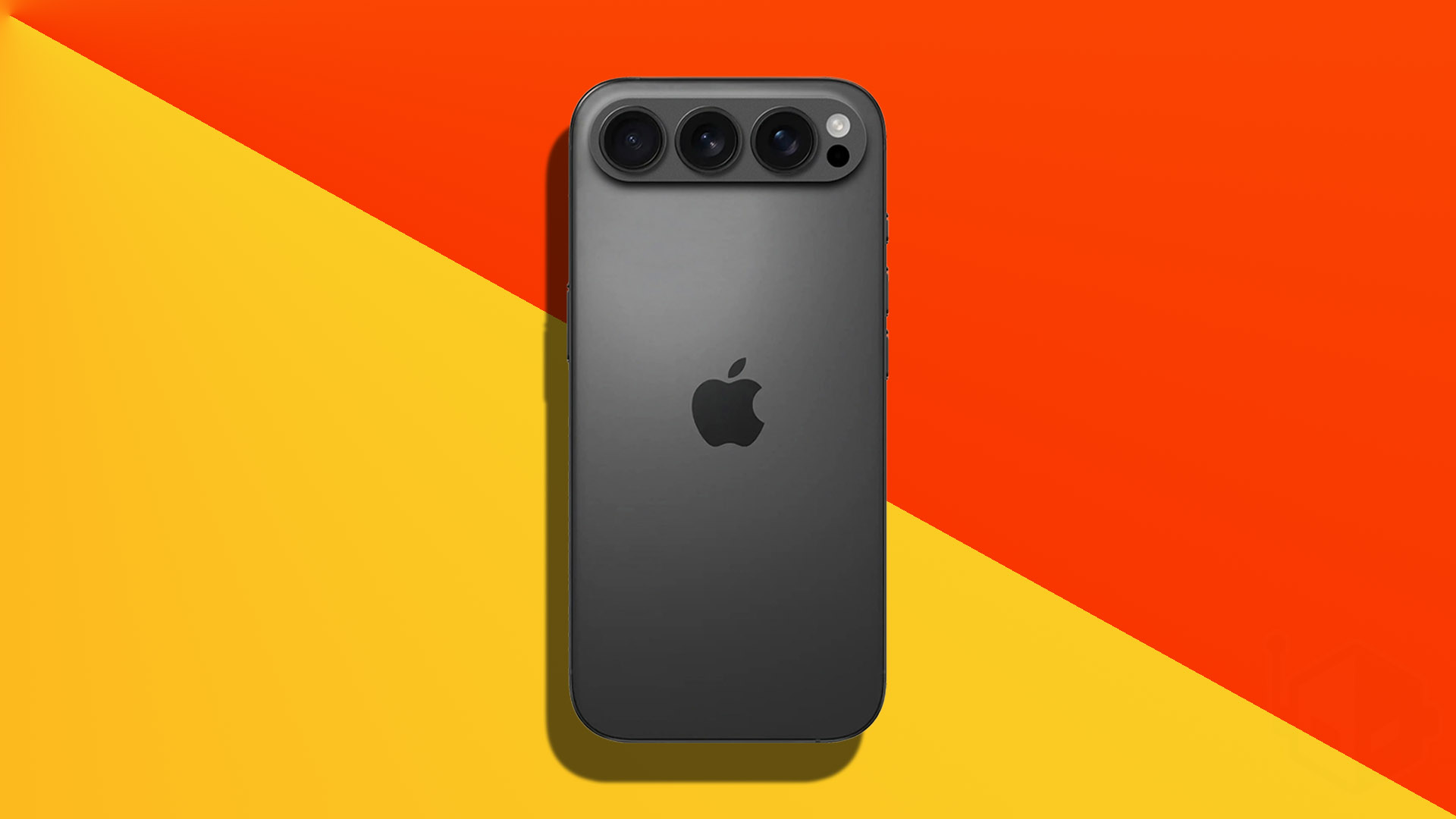
The iPhone 17 series, set to launch later this year as the successor to the iPhone 16 models, has been the subject of multiple leaks recently. As Apple’s next big release, the lineup is expected to include not only the usual base, Plus, Pro, and Pro Max versions, but also a new slim variant. Leaked images suggest that the iPhone 17 might feature a redesigned rear camera module that could drastically differ from the design found in its predecessors.

New Visor-Like Camera Module

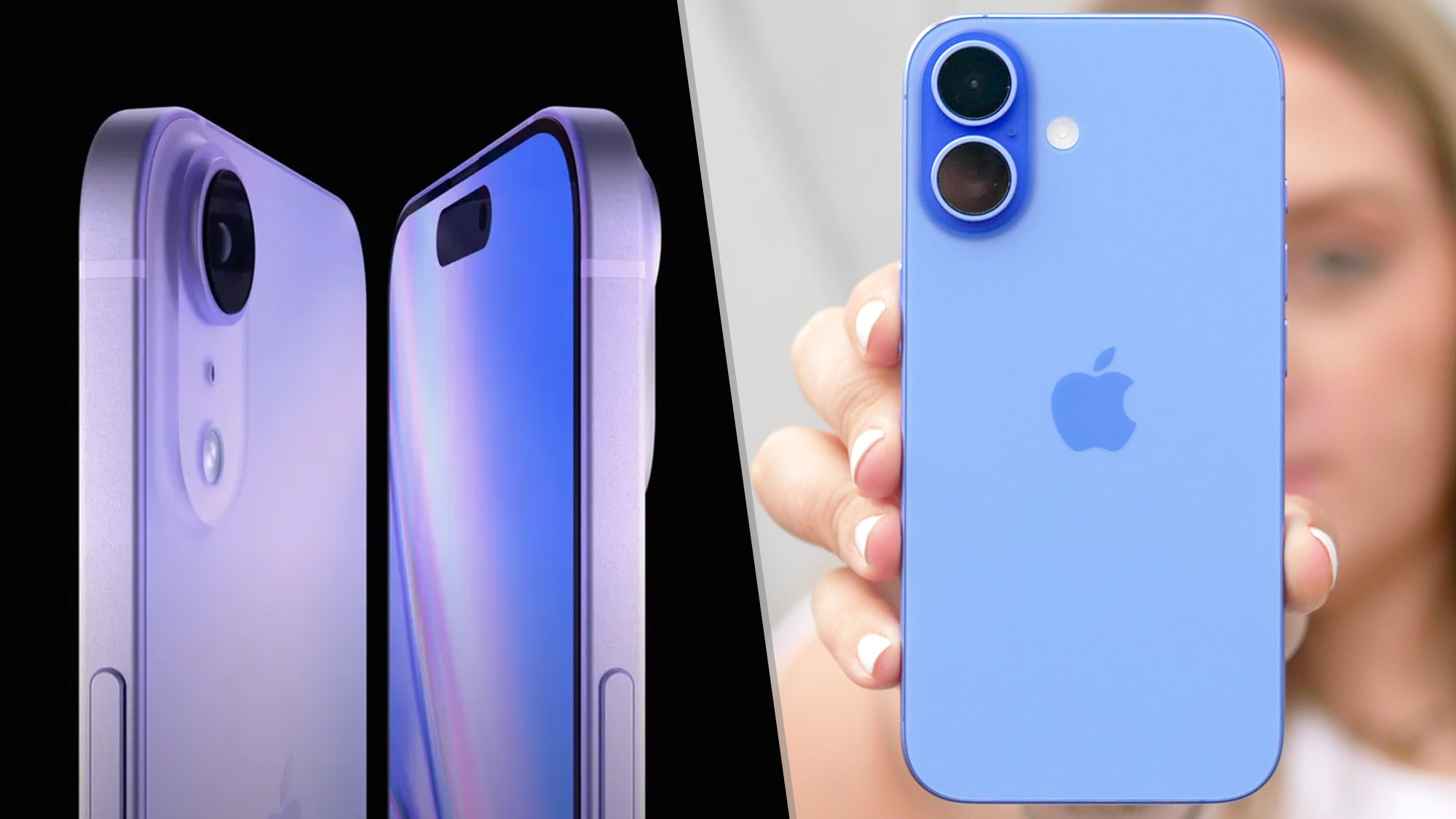
Recent leaks shared by tipster Majin Bu on social media have revealed live images of what is believed to be the iPhone 17 back panel. The leaked image shows a horizontal, pill-shaped visor-like camera module at the top of the panel, differing significantly from the traditional square camera islands found on iPhones since the iPhone 11. The leaked design has sparked comparisons to the camera design on Google Pixel smartphones, which often feature similar pill-shaped, horizontal camera units. Interestingly, the current iPhone 16 and iPhone 16 Plus still sport vertical elliptical camera modules, while the Pro models retain the square islands.

Possible Changes to Face ID

An earlier leak hinted that this new design could be tied to the addition of “front structure light,” possibly referring to an upgrade for Face ID technology. This change might indicate a more refined or improved Face ID system integrated into the new back panel design. However, these details remain speculative until confirmed by official announcements from Apple.

Expected Camera Improvements and Features

In addition to the new design, the iPhone 17 Pro and iPhone 17 Pro Max are rumored to feature major upgrades to the camera system, including a 48-megapixel telephoto sensor with 5x optical zoom, a significant leap from the 12-megapixel telephoto cameras found on the current iPhone 16 Pro models. For selfie lovers, the iPhone 17 Pro models may also boast an upgrade to a 24-megapixel front camera, surpassing the 12-megapixel TrueDepth sensors found on previous models. With such improvements, the iPhone 17 series looks poised to offer a notable boost in both rear and front camera performance.

iPhone 17 Series Expected to Feature Design Tweaks Over iPhone 16 Models

The upcoming iPhone 17 series, expected to launch in the second half of this year, could bring some significant design changes compared to its predecessors. The lineup is anticipated to include the iPhone 17, iPhone 17 Slim (or iPhone 17 Air), iPhone 17 Pro, and iPhone 17 Pro Max models. Over the past few months, there have been numerous rumors surrounding the design and features of the iPhone 17, particularly the “Slim” variant. However, a recent leak suggests that Apple may introduce a revamped design for this new generation, marking a departure from the flat-sided design seen in the iPhone 16 series.

According to a tip from a trusted source on Weibo, Fixed Focus Digital, the iPhone 17 lineup could feature a design that incorporates more curved edges. This information hints that Apple may be shifting away from the sharp, flat sides of the current iPhone 16 models in favor of a smoother, rounded frame. The tipster mentioned that the connection area between the “Deco of the fuselage and the back shell” would have a slope rather than a step, indicating a more seamless transition between the front and rear of the phone. This change could signal a return to the curved design elements that Apple has used in previous iPhone models.

While it’s still unclear whether this design change will affect all iPhone 17 variants, including the base, Pro, and Pro Max models, it could represent a significant shift in Apple’s approach to smartphone ergonomics. The current iPhone 16 series features flat sides with rounded corners, which has received mixed reactions from users. The return of curved sides, a feature once seen in the iPhone 6 series and earlier, could enhance the in-hand feel of the device, providing a more comfortable grip. Users accustomed to the more ergonomic designs of earlier iPhones might find this change a welcome improvement.

Apple’s decision to reintroduce curved sides could also be influenced by the growing trend in the smartphone industry toward more organic, fluid designs. As other manufacturers continue to experiment with innovative shapes and form factors, Apple may look to differentiate itself by offering a refreshed, user-friendly design with improved comfort. If the rumors prove true, the iPhone 17 series could offer a more refined experience, combining sleek aesthetics with a functional design that better suits the way users interact with their devices.

Apple Faces Potential Delay for 2nm Chipsets in iPhone 17 Pro Due to TSMC’s Wafer Yield Challenges

“Apple’s 2nm Chipset Plans for iPhone 17 Pro May Face Delays as TSMC Struggles with Wafer Yield Issues”

Apple’s anticipated use of 2nm chipsets for its iPhone 17 Pro models may not come to fruition as originally planned. A recent report indicates that the company could be forced to delay this milestone by as much as 12 months due to ongoing wafer yield challenges faced by TSMC, its exclusive chip supplier. These setbacks have led to delays in the certification process for mass production of the 2nm chips, pushing the expected application process for the new technology potentially to 2026.

The report highlights that, while Apple had previously planned to enter mass production of the advanced 2nm chips for its upcoming iPhone 17 or iPhone 18 series, it has yet to commence the production phase. TSMC, the world’s leading chipmaker and Apple’s primary supplier for both iPhone and Mac processors, remains ahead of its competitors, including Samsung Electronics, in customer acquisition and yield performance. Despite its leadership in the market, however, TSMC is still encountering significant challenges with wafer yield, which is essential for ensuring the reliability and performance of the chips.

Further complicating the situation is the increasing demand for testing as the 2nm process remains in its developmental phase. The cost for customers looking to test these chips is reportedly rising, reflecting the difficulty in achieving stable production. In response to these challenges, TSMC is reportedly investing in expanding its facilities, with plans to ramp up production to around 130,000 units by 2026. This includes investments in its Arizona facility to boost global productivity, with an additional 20,000 units expected to be produced, bringing the total capacity to 140,000 units worldwide.

While the delay may shift Apple’s timeline for the iPhone 17 Pro, the company’s long-term vision for integrating 2nm chips remains intact. The advancements promised by these chips, such as improved performance and energy efficiency, are likely to be key selling points for future Apple devices. However, the delay underscores the complexities and high stakes involved in pushing the boundaries of semiconductor technology.