Yazılar

Leaked iPhone 17 Series Dummy Units Reveal Design and Rear Camera Layout Changes

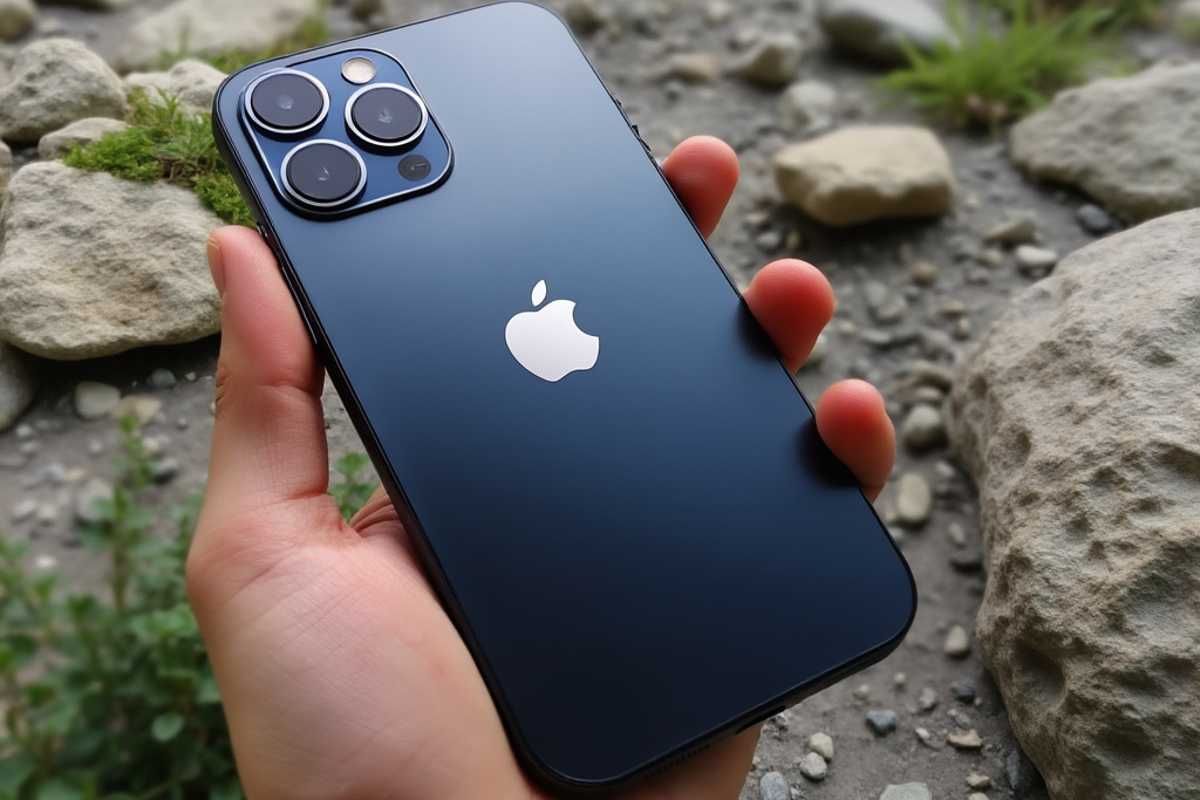
The iPhone 17 series, which is expected to be unveiled in September this year, continues to generate significant buzz, with numerous leaks and speculations surfacing ahead of its release. Most recently, the most detailed look yet at the upcoming models—iPhone 17, iPhone 17 Air (or Slim), iPhone 17 Pro, and iPhone 17 Pro Max (or Ultra)—came from alleged renders. Now, new images of dummy units for the iPhone 17 series have surfaced, providing even more clarity about the design and rear camera layout of the next generation of iPhones. These dummy units are likely metal molds created to assist accessory manufacturers in developing compatible cases and other products ahead of the official release.

The latest leak, shared by well-known tipster Sonny Dickson (@SonnyDickson) on X (formerly Twitter), offers a comprehensive look at the iPhone 17 series from various angles. The images display the design of the devices from the front, rear, and sides, revealing subtle but noticeable changes compared to previous models. The most significant difference appears to be in the rear camera layout, with the standard iPhone 17 continuing to feature a vertical arrangement of dual sensors. While it closely resembles the iPhone 16, the layout seems to have been slightly adjusted for a more refined look.

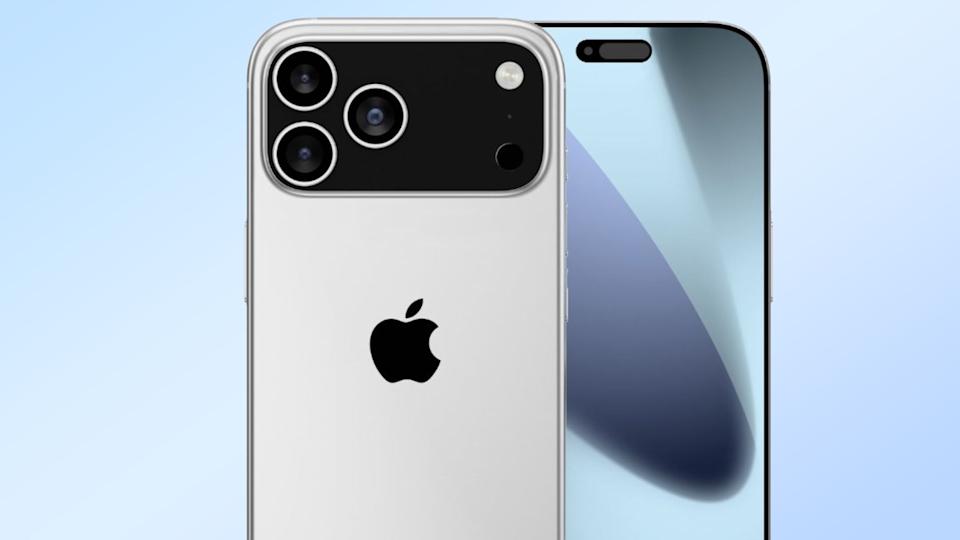
For the higher-end models, the iPhone 17 Pro and Pro Max (or Ultra), the rear camera system has undergone more significant changes. The images suggest that these models will sport a larger, more advanced camera array, potentially indicating improvements in optical zoom or other professional-grade features. The dummy units also hint at potential changes in the overall body design, with the Pro versions possibly incorporating new materials or finishing to enhance the premium feel of the devices.

While the dummy units provide useful insights into the physical design of the iPhone 17 series, it’s important to note that they don’t reveal any software or performance details. However, they do give a strong indication of the direction Apple is taking in terms of hardware, suggesting incremental but impactful improvements over the previous iPhone models. As the official launch approaches, more leaks and details are expected to emerge, gradually painting a clearer picture of what Apple has in store for the iPhone 17 series.
iPhone 17 Air’s Port-Free Design Scrapped by Apple, Claims Mark Gurman

Rumors surrounding the iPhone 17 series have been making waves across the tech world for quite some time. Expected to launch in the second quarter of the year, the lineup will reportedly include the iPhone 17, iPhone 17 Air (or iPhone 17 Slim), iPhone 17 Pro, and iPhone 17 Pro Max. Among these, the iPhone 17 Air is anticipated to be the slimmest iPhone to date, possibly replacing the Plus variant of previous models. However, new details shared by Bloomberg’s Mark Gurman reveal an interesting twist to the iPhone 17 Air’s design that didn’t make it to production.

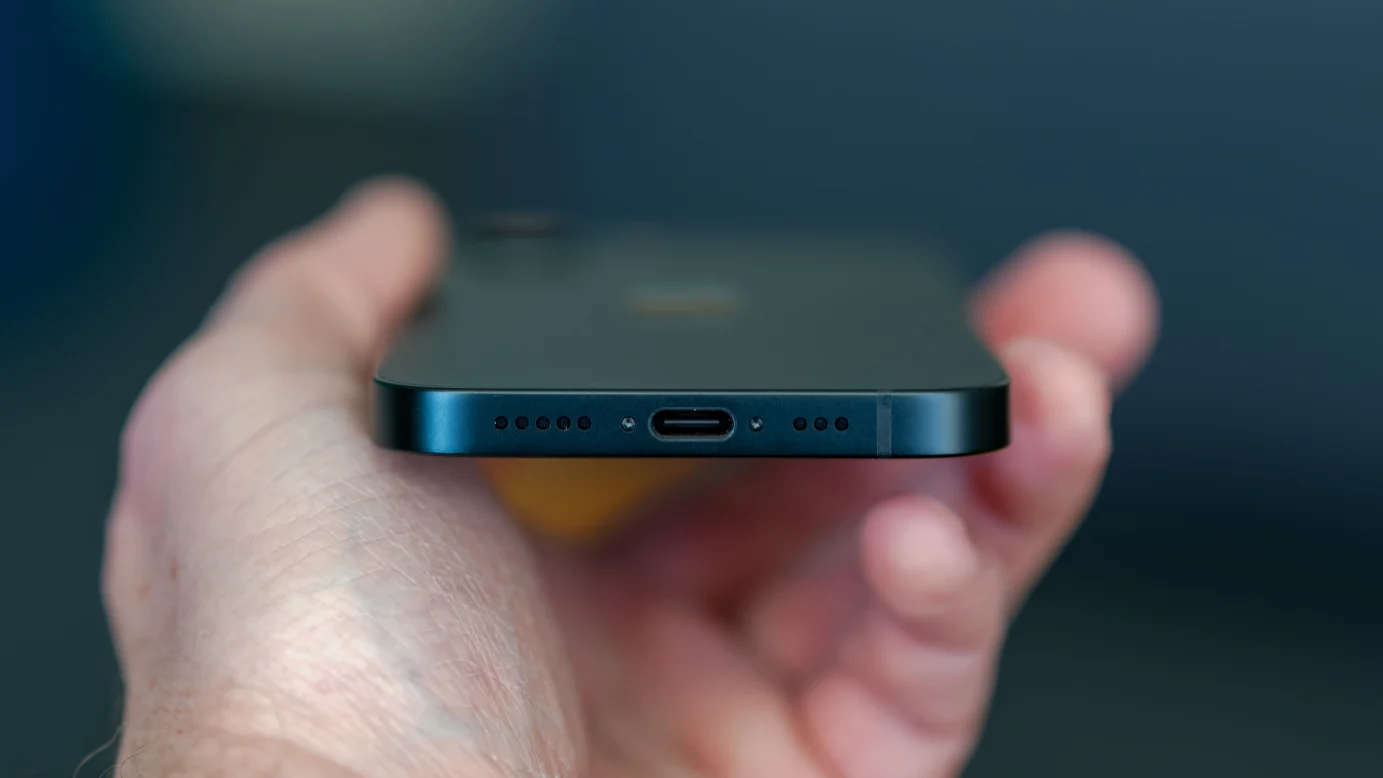
According to Gurman, Apple initially planned to make the iPhone 17 Air the first iPhone to launch with a completely port-free design. The device was expected to support wireless charging and data syncing through the cloud, marking a significant shift away from physical ports altogether. This move would have represented Apple’s ambition to push the boundaries of slim design, with no charging port in sight. However, the company reportedly abandoned the idea after considering the potential regulatory backlash from the European Union, which has been pushing for the standardization of USB Type-C ports in mobile devices, replacing the old Lightning charging port.

The decision to scrap the port-free iPhone 17 Air may also have been influenced by concerns about battery life. The ultra-thin build of the Air model would have required a thinner battery, which typically results in less battery capacity. Gurman notes that Apple didn’t want to compromise on performance, so the company reportedly asked its engineers to rethink the design of the display, silicon components, and software to optimize the device’s energy efficiency. This reworked approach was intended to balance slimness with battery longevity, a crucial aspect for users who rely on their iPhones throughout the day.

While the iPhone 17 Air might not be the port-free device Apple originally envisioned, it’s clear that the company is still pushing to innovate with its design philosophy. The move to a slimmer profile without sacrificing essential features like battery life shows Apple’s commitment to finding new ways to improve the user experience while staying compliant with global standards. As the iPhone 17 series draws closer to its release, fans and analysts alike are eager to see which aspects of these ambitious plans will make it into the final product.

iPhone 17 Ultra Expected to Replace ‘Pro Max’ Variant, Set for Launch This Year

The iPhone 17 series is expected to be unveiled in the second half of this year, with a new addition to the lineup that has caught the attention of tech enthusiasts. According to a recent report from South Korea, Apple is preparing to introduce the iPhone 17 Ultra, which will replace the current iPhone 16 Pro Max variant. If the report proves accurate, this would mark the debut of the “Ultra” designation for Apple’s smartphones, following its use in the company’s smartwatches and chipsets.

The news comes from Naver, a South Korean blog that has shared insider details from sources within the supply chain. According to these sources, the iPhone 17 Ultra will replace the Pro Max version, which has traditionally been the flagship model in the iPhone lineup. While Apple has yet to officially confirm these details, the introduction of a new “Ultra” variant would be a significant shift in Apple’s naming convention, and it could suggest a new level of premium features for the brand.

The iPhone 17 Ultra is rumored to feature a few notable upgrades, starting with a smaller Dynamic Island—a design element introduced with the iPhone 14 series. Another significant change expected with the Ultra model is the inclusion of a vapour chamber cooling system, which would help manage the phone’s thermal performance more effectively, particularly during demanding tasks like gaming or video rendering. Additionally, the iPhone 17 Ultra is tipped to come with a larger battery than the iPhone 16 Pro Max, resulting in a slightly thicker design. The current iPhone 16 Pro Max has a 4,685mAh battery, which provides up to 33 hours of video playback on a single charge, so the Ultra could offer even more endurance.

While the exact specifications and features of the iPhone 17 Ultra are still shrouded in mystery, it is expected to be a significant step up from its predecessors. With Apple constantly pushing the boundaries of smartphone technology, the Ultra variant could represent the pinnacle of the iPhone 17 series, offering advanced cooling solutions, enhanced battery life, and a more refined design. Fans of Apple’s flagship devices will be eagerly awaiting official announcements to confirm whether this new model will make its debut later this year.