
iPhone 17 Pro Could Start at Around Rs. 1,24,900 With Doubled Base Storage, Leak Suggests
iPhone 17 Pro Expected to Cost Slightly More Than iPhone 16 Pro in the US Devamını Oku

iPhone 17 Pro Expected to Cost Slightly More Than iPhone 16 Pro in the US Devamını Oku
iPhone 17 Series Likely to Include New “Air” Model in Upcoming Launch Devamını Oku

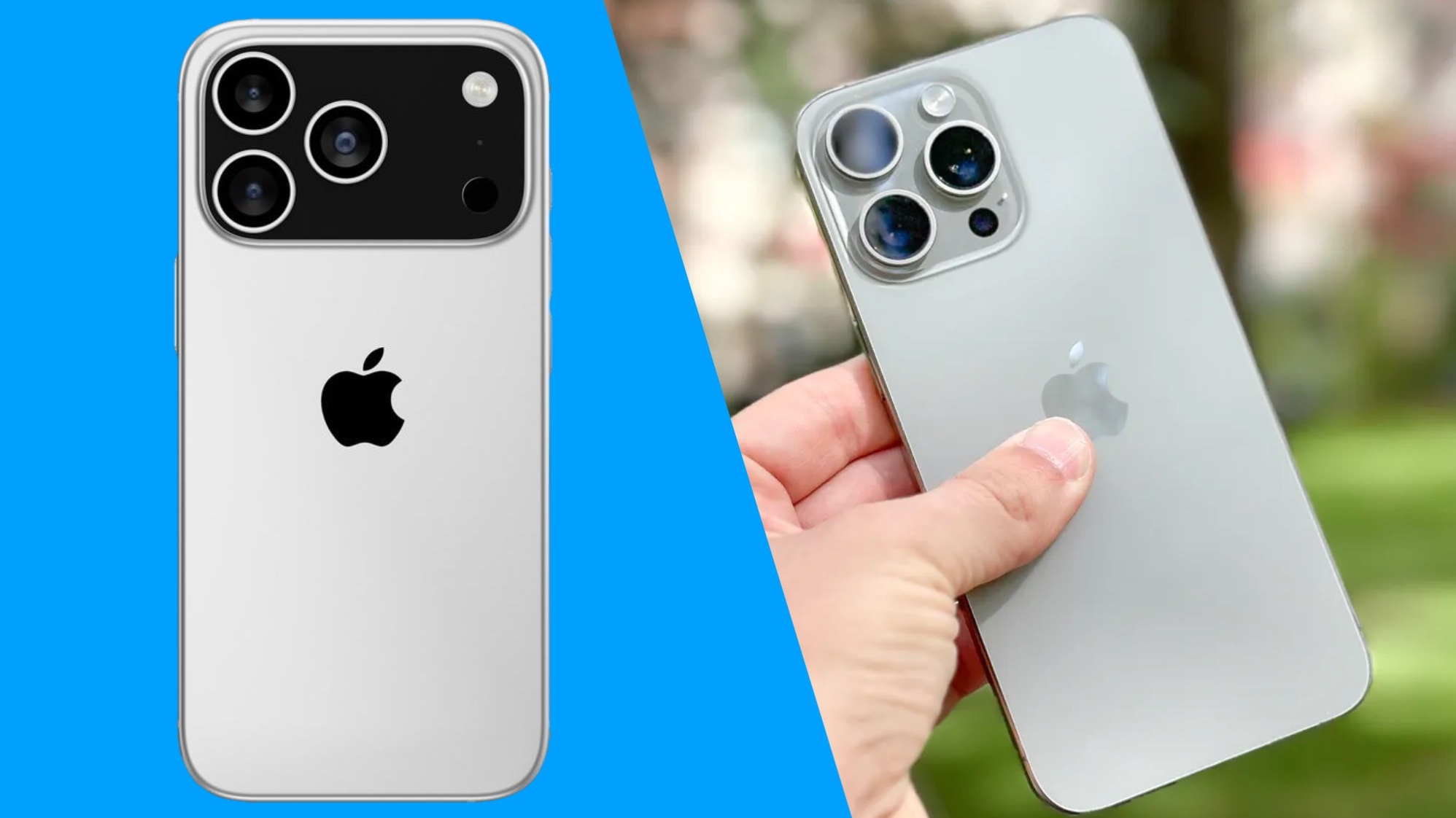
Apple’s iPhone 17 series is slated for release later this year, and early leaks suggest the company is introducing a fresh design for the rear camera module. Dummy models that surfaced online have already hinted at these changes, showing a wider horizontal camera section that sets the iPhone 17 Pro and Pro Max apart from previous generations. According to a well-known tipster, Apple’s design evolution doesn’t stop there—future models beyond the iPhone 17 are expected to undergo even more significant redesigns.
Sources close to Apple’s supply chain, shared by Digital Chat Station on Weibo, reveal that the rear camera layout will be one of the key updates for the iPhone 17 lineup. This redesign aims to refine the aesthetic while potentially improving camera functionality. Meanwhile, the iPhone 17 Pro models are anticipated to launch in the second half of 2025, continuing Apple’s trend of incremental but meaningful hardware upgrades.
Looking further ahead, Apple is reportedly working on major changes to the front-facing design of its phones. The iPhone 18 series, expected in 2026, might feature a hole-punch display cutout for the selfie camera, while the other Face ID sensors could be hidden under the display. This shift signals Apple’s ambition to move closer to an all-screen iPhone, eliminating the familiar notch that has been part of the design since the iPhone X.
The most radical change could come with the iPhone 19 series, projected for 2027, which may finally ditch the notch entirely by integrating both the selfie camera and Face ID sensors under the display. Although other brands like Nubia have already experimented with under-display cameras, Apple’s approach could overcome current performance issues, delivering a seamless and high-quality full-screen experience. If these plans materialize, Apple will mark a new era in smartphone design with the first truly all-screen iPhone.