Yazılar

iPhone 17 hits Moscow stores as Russian pre-orders surge despite economic strain

Russian resellers unveiled the iPhone 17 on Saturday, with major retailer Restore: reporting a 66% jump in pre-orders compared to last year, highlighting strong demand for Apple devices despite Russia’s economic downturn.

Russia is grappling with 20-year-high interest rates and a budget deficit exceeding 4 trillion roubles, yet enthusiasm for Apple’s latest smartphones remains resilient. Apple itself halted direct sales and suspended Apple Pay in 2022 due to Western sanctions, but resellers continue to import devices through parallel channels, pushing prices far above U.S. and European levels.

At Afimall City in Moscow’s business district, Restore: displayed the new models for browsing, with deliveries promised in coming days. The base 256GB iPhone 17 is priced at 119,990 roubles ($1,437)—about 57% higher than in the U.S.

“There is a huge fan base that will never exchange iPhone for anything else,” said Lyudmila Semushina, PR director of Restore:. Customer interest is especially high for the redesigned iPhone Air and the upgraded Pro models with improved cameras.

Tech blogger Sergei Yepikhin noted that while Android remains more practical in Russia, the new iPhones’ features are luring users to switch. Restrictions on WhatsApp and Telegram calls have also boosted demand for FaceTime, further embedding iPhones into Russian digital life.

To bypass Apple Pay’s absence, Russian banks such as Sber and T-Bank recently rolled out local contactless payment services. Despite higher logistics costs from imports, Restore: said its supply chain remains “quite stable,” though short-term shortages of new iPhones are expected.

Apple was Russia’s top smartphone brand by revenue in 2024, while Xiaomi led in unit sales, underscoring the iPhone’s enduring premium appeal even in a strained economy.

Apple asks suppliers to ramp up iPhone 17 production after strong demand

Apple has instructed suppliers to increase production of the entry-level iPhone 17 by at least 30%, after stronger-than-expected pre-orders last weekend, according to The Information. The move indicates that more consumers are opting for the $799 standard model over the premium Pro versions, which start at $1,099.

Apple reportedly asked Luxshare Precision, one of its two main Chinese assemblers alongside Foxconn, to boost daily output of the iPhone 17 by about 40%. The company has not commented on the report.

The surge in demand for the lower-cost iPhone comes as Apple seeks to revive growth in its flagship product line. The new lineup includes the thinner iPhone Air, part of Apple’s effort to lure buyers in a sluggish upgrade cycle. Notably, the iPhone 17 incorporates screen and camera upgrades once exclusive to the Pro models, narrowing the performance gap with higher-priced versions.

Analysts say the trend highlights growing price sensitivity among consumers, particularly in China and other key markets. While strong sales of the entry model may help Apple protect its market share, they could also pressure profit margins, as buyers shift away from Apple’s traditionally higher-margin Pro devices.

Apple’s iPhone 17 launch draws long queues in Beijing, Pro Max tipped as bestseller

Apple’s new iPhone 17 launch attracted large crowds in Beijing on Friday, with around 300 customers lining up outside the flagship Sanlitun store to collect pre-ordered devices. The turnout suggests a promising start for Apple in China, its second-largest market, where it has faced declining shipments and fierce competition from local rivals Xiaomi and Huawei.

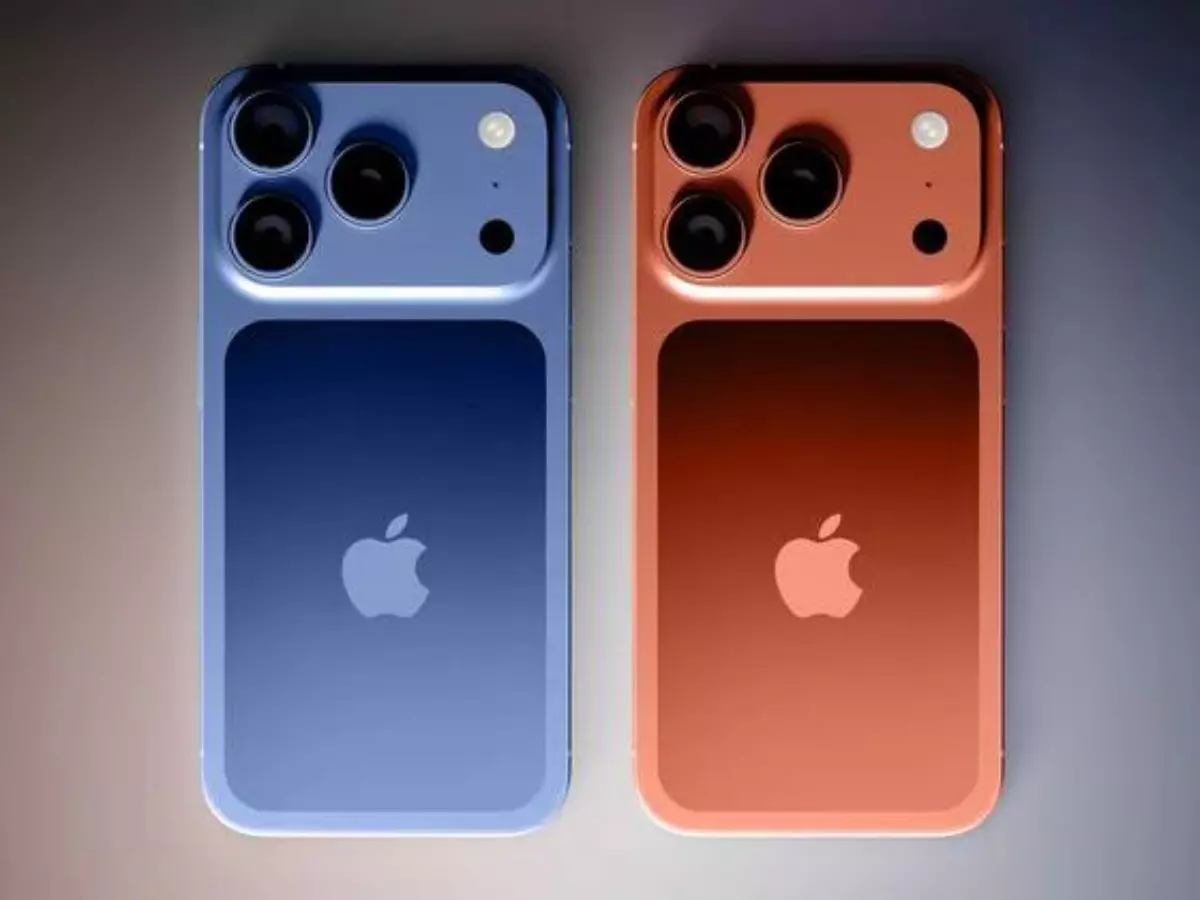
Among those queuing, 35-year-old Shuke Wang picked up the iPhone 17 Pro Max, which starts at 9,999 yuan ($1,406) and is expected by analysts to be the top-selling model of the series. Wang praised the redesign but noted the orange version looked “too flashy.” Apple highlights the Pro Max’s extended battery life as a key feature.

The base iPhone 17 offers a brighter, more scratch-resistant screen and an upgraded front-facing camera optimized for horizontal selfies. Meanwhile, the iPhone Air model introduces support for eSIM in China—pending regulatory approval from the country’s telecom giants—though Apple has not opened pre-sales for it. Analysts view the Air as a testing ground for slim designs that may eventually feed into foldable iPhones, though compromises in battery, camera, and audio quality could dampen its appeal among Chinese consumers.

Apple’s shipments in China fell 6% year-on-year in Q3, according to Counterpoint Research, but analysts predict a rebound. Omdia expects iPhone shipments in China to climb 11% in the second half of 2025, helping Apple to a 5% global full-year growth. The Pro Max model, driven by its major redesign, is projected to outperform last year’s 16 Pro Max and dominate Apple’s sales in China by 2026.