Yazılar

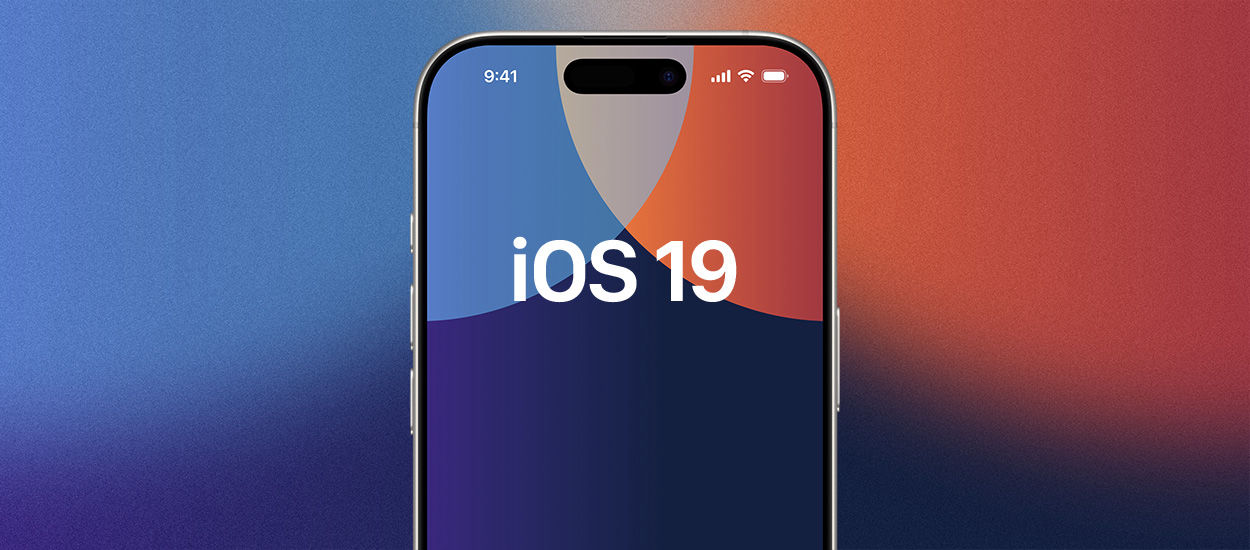
iOS 19 to Be Compatible with iPhone SE 2020 and All Devices Running iOS 18, Report Says

Apple is currently developing iOS 19, the next major update for iPhones, with a planned release set for late 2025. A recent report has shed light on which devices will be compatible with the new operating system. According to the details, iOS 19 will be supported by all iPhones currently running iOS 18, meaning that the latest models, such as the iPhone 16 series and iPhone 15 series, will receive the update when it rolls out. This move highlights Apple’s commitment to ensuring that a wide range of devices, including older models like the iPhone SE (2020), can benefit from the latest features and improvements.

The report, sourced from the French publication iphonesoft, suggests that iOS 19 will be a comprehensive update for the iPhone lineup. This compatibility list indicates that Apple plans to support a wide range of devices, ensuring users of both flagship and older iPhone models can continue to enjoy new features. For iPhone owners, this means that their current devices, as long as they’re running iOS 18, should be able to upgrade to iOS 19, extending the lifespan of their smartphones and offering a seamless user experience.

However, the situation is a bit different for iPadOS 19. According to the same report, iPadOS 19 will likely drop support for the iPad (7th generation). This model, which uses Apple’s A10 Fusion chip, will be excluded from the update since the new iPadOS is expected to require devices with at least the A12 chip. This marks a distinction between iPhone and iPad support, as Apple’s tablets will not be as widely compatible with the new update compared to the iPhone lineup. This change could impact users of older iPad models who might not be able to access the latest features and enhancements.

Despite this, iOS 19’s broad compatibility with iPhone models is a positive step for users who want to keep their devices up to date with the latest software without needing to upgrade to newer hardware. By supporting devices like the iPhone SE (2020), Apple is ensuring that even older models will continue to receive updates, helping users get the most out of their current devices. As we approach the fall of 2025, more details will likely emerge, especially regarding the specific features and improvements iOS 19 will bring to compatible devices.

Apple Allegedly Cancels iPhone Hardware ‘Subscription’ Service Initiative

Apple Reportedly Halts iPhone Hardware ‘Subscription’ Service Project

Apple has decided to discontinue its plans for a new iPhone hardware ‘subscription’ service, according to recent reports. The project, which had been in development for over two years, aimed to provide customers with the ability to upgrade to a new iPhone model every year through a subscription-based model. This initiative was expected to create a continuous revenue stream for Apple while offering consumers a more flexible way to access the latest iPhone models. The company’s Apple Pay division was reportedly overseeing the project, alongside a similar ‘pay later’ service that was also scrapped.

Development of the Subscription Service Began in 2022

The subscription service project was first launched in 2022, with the goal of offering a novel way for customers to pay for iPhones on an annual basis while receiving the latest model each year. The initiative was designed to offer an alternative to traditional purchasing methods, allowing users to subscribe and upgrade their devices regularly. The project, however, encountered multiple delays over the years, which resulted in a longer-than-anticipated timeline for its rollout. It was originally expected to launch by the end of 2022, but setbacks pushed the timeline back by over a year.

Challenges and Setbacks Delayed the Launch

The subscription service faced a series of obstacles during its development, which contributed to the significant delays. While details on the specific challenges remain unclear, it’s likely that technical and logistical issues, combined with internal discussions on the best approach, led to the decision to scrap the project. Despite being initially considered a potential game-changer in how iPhones are sold, the service never made it to the market.

Apple Shifts Focus to Other Revenue Streams

While the hardware subscription service is no longer in the works, Apple continues to explore other avenues for growth. The company has been increasing its focus on services such as iCloud, Apple Music, and the App Store, which contribute to its expanding services revenue. Additionally, Apple has seen success with its trade-in program and financing options, which offer similar benefits to a subscription model without the complexities of a dedicated service. As the company moves forward, it’s likely that it will continue refining its strategies to ensure long-term growth while keeping its product offerings at the forefront of the market.

EU Increases Push for Apple to Ensure iOS Compatibility with Competing Devices

EU Pushes Apple to Enhance iOS Compatibility with Rival Devices

The European Commission has intensified its demands for Apple to make its iOS operating system more accessible to devices from competing manufacturers. This move comes as part of the EU’s broader efforts to promote fair competition and interoperability across the tech industry. However, Apple has expressed concerns, particularly regarding requests from companies like Meta Platforms, which it claims could compromise user privacy.

On Wednesday, the commission directed Apple to rework iOS to ensure better compatibility with third-party devices, including smartwatches, earbuds, and headsets. The EU is aiming to reduce barriers that prevent non-Apple products from fully integrating with the iPhone ecosystem, a move that could reshape how consumers interact with their devices.

To facilitate this shift, regulators have proposed several measures. A document posted online outlines that developers outside of Apple’s ecosystem should receive clearer guidelines on requesting access to iPhone features. Furthermore, the commission has called for Apple to provide developers with a dedicated contact point to handle such requests, ensuring smoother communication and transparency.

In addition, the EU has urged Apple to establish improved processes for addressing rejected developer requests. This includes introducing steps toward conciliation to resolve disputes more effectively. While these demands could lead to greater interoperability and choice for consumers, Apple remains wary of potential impacts on privacy, signaling a possible clash as the company navigates compliance with these regulations.