Yazılar

Apple Loses Smartphone Sales Crown in China, Drops to Third in 2024

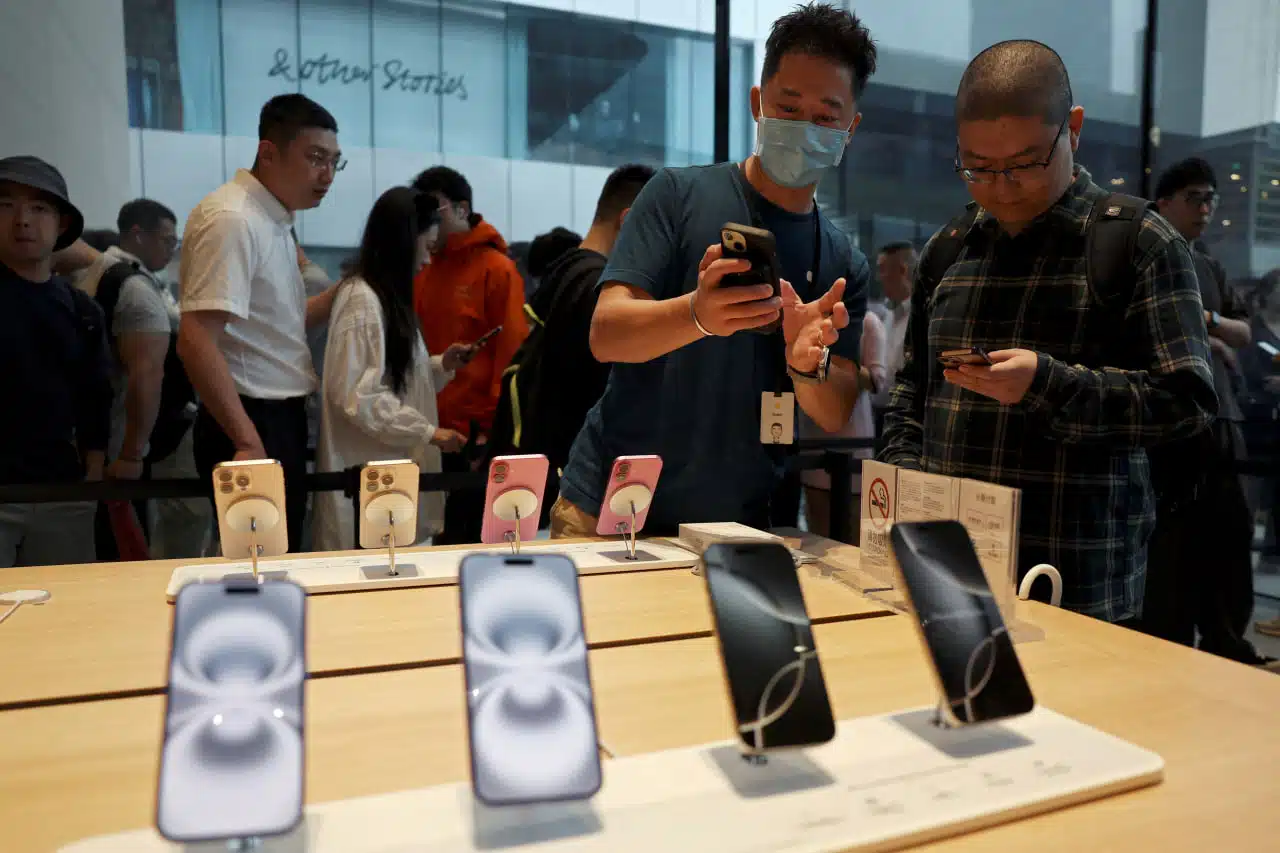
Apple has lost its position as China’s top smartphone seller in 2024, with local competitors Vivo and Huawei surpassing the tech giant. According to data from research firm Canalys, Apple’s annual smartphone shipments in China declined by 17%, marking its largest drop since 2016.

Vivo, the budget smartphone maker, secured 17% of the market share, while Huawei, with its premium offerings, held 16%, and Apple dropped to third with 15%. This marks a significant shift in market dynamics, as domestic manufacturers gain strength in one of Apple’s largest global markets.

Apple’s decline is attributed to various factors, including the lack of artificial intelligence capabilities in its latest iPhones, which has hurt its competitiveness in China, where services like ChatGPT are unavailable. Canalys analyst Toby Zhu commented that Apple’s premium market position faces multiple challenges, such as Huawei’s resurgence in the flagship segment, the rise of domestic foldable phones in high-price segments, and Android brands like Xiaomi and Vivo building consumer loyalty through technological innovations.

Despite previously experiencing four years of growth following U.S. sanctions on Huawei in 2019, which restricted the company’s access to American technology, Apple now faces a strong challenge from Huawei. The Chinese company has seen a resurgence, with a 24% rise in shipments during the fourth quarter of 2024 after launching new phones with locally-made chipsets.

To combat the decline, Apple resorted to offering discounts. In early January, Apple launched a four-day promotion in China, offering price cuts of up to 500 yuan ($68.50) on iPhone 16 models through official channels. Major Chinese e-commerce platforms followed suit, with Alibaba’s Tmall marketplace offering discounts up to 1,000 yuan ($137) on the latest iPhone 16 series devices.

Among the top five smartphone vendors, Xiaomi posted the strongest growth, with a 29% increase in shipments in the fourth quarter, while Oppo and Vivo saw increases of 18% and 14%, respectively. Overall, smartphone shipments in China rose by 4% year-on-year to 285 million units in 2024.


Apple Faces Potential Delay for 2nm Chipsets in iPhone 17 Pro Due to TSMC’s Wafer Yield Challenges

“Apple’s 2nm Chipset Plans for iPhone 17 Pro May Face Delays as TSMC Struggles with Wafer Yield Issues”

Apple’s anticipated use of 2nm chipsets for its iPhone 17 Pro models may not come to fruition as originally planned. A recent report indicates that the company could be forced to delay this milestone by as much as 12 months due to ongoing wafer yield challenges faced by TSMC, its exclusive chip supplier. These setbacks have led to delays in the certification process for mass production of the 2nm chips, pushing the expected application process for the new technology potentially to 2026.

The report highlights that, while Apple had previously planned to enter mass production of the advanced 2nm chips for its upcoming iPhone 17 or iPhone 18 series, it has yet to commence the production phase. TSMC, the world’s leading chipmaker and Apple’s primary supplier for both iPhone and Mac processors, remains ahead of its competitors, including Samsung Electronics, in customer acquisition and yield performance. Despite its leadership in the market, however, TSMC is still encountering significant challenges with wafer yield, which is essential for ensuring the reliability and performance of the chips.

Further complicating the situation is the increasing demand for testing as the 2nm process remains in its developmental phase. The cost for customers looking to test these chips is reportedly rising, reflecting the difficulty in achieving stable production. In response to these challenges, TSMC is reportedly investing in expanding its facilities, with plans to ramp up production to around 130,000 units by 2026. This includes investments in its Arizona facility to boost global productivity, with an additional 20,000 units expected to be produced, bringing the total capacity to 140,000 units worldwide.

While the delay may shift Apple’s timeline for the iPhone 17 Pro, the company’s long-term vision for integrating 2nm chips remains intact. The advancements promised by these chips, such as improved performance and energy efficiency, are likely to be key selling points for future Apple devices. However, the delay underscores the complexities and high stakes involved in pushing the boundaries of semiconductor technology.

Apple Backs Google’s Billion-Dollar Search Payments in Court Battle

Apple Seeks Role in Google’s Antitrust Case to Defend Revenue-Sharing Deals

Apple has requested to participate in Google’s upcoming U.S. antitrust trial concerning online search dominance. The tech giant aims to protect the lucrative revenue-sharing agreements that provide it with billions of dollars annually for making Google the default search engine on its Safari browser. Apple argued that it cannot depend on Google to adequately defend these arrangements, which are crucial to its business.

In court documents filed in Washington on Monday, Apple clarified that it has no plans to develop its own search engine, even if its agreements with Google were to end. In 2022 alone, Apple reportedly earned an estimated $20 billion (roughly Rs. 1,70,544 crore) from its partnership with Google, highlighting the financial significance of the deal.

Apple has expressed its intent to call witnesses to testify during the trial scheduled for April. These witnesses are expected to provide insight into the nature of the agreements and their role in the digital ecosystem. Apple’s involvement reflects its vested interest in maintaining the status quo and shielding its partnership with Google from antitrust repercussions.

Meanwhile, prosecutors plan to argue that Google’s dominance in online search stifles competition and requires drastic measures. Their proposed remedies include compelling Google to divest key assets, such as its Chrome web browser and potentially its Android operating system, to foster a more competitive landscape. The case could have far-reaching implications for the tech industry and its reliance on revenue-sharing arrangements.