Yazılar

EU Privacy Regulator Fines Meta 251 Million Euros for 2018 Data Breach

Meta has been fined 251 million euros ($263.5 million) by the Data Protection Commission (DPC), the lead European Union data privacy regulator, for a 2018 security breach that exposed the personal data of 29 million users on Facebook.

Details of the Breach

The breach occurred after cyber attackers exploited a vulnerability in Facebook’s “View As” feature, which allowed users to see how their profile appeared to others. This vulnerability led to the exposure of sensitive personal data, including users’ full names, contact details, location, place of work, date of birth, religion, gender, and in some cases, children’s personal information.

According to Graham Doyle, Deputy Commissioner at the DPC, the breach posed a significant risk for the misuse of this data. Although the breach affected 29 million accounts globally, 3 million of those were in the EU and the European Economic Area (EEA).

Meta’s Response and Penalty

Meta addressed the issue shortly after the breach was discovered and took action to remedy the vulnerability. Despite this, the DPC imposed a fine under the EU’s General Data Protection Regulation (GDPR), which has led to significant penalties for Meta in recent years. To date, Meta has been fined almost 3 billion euros for breaches under GDPR, including a record 1.2 billion euros fine in 2023 related to data privacy violations, which Meta is currently appealing.

Meta’s Appeal

Meta has announced its intention to appeal the fine and reiterated its commitment to protecting users’ privacy. A company spokesperson stated, “We took immediate action to fix the problem as soon as it was identified, and we proactively informed people impacted as well as the Irish Data Protection Commission.”

Broader Context

The DPC oversees the majority of large U.S. internet companies operating in the EU, as these firms have their European operations based in Ireland. This fine marks another chapter in the EU’s ongoing efforts to enforce data protection regulations under the GDPR, which was introduced in 2018 to strengthen privacy rights across the region.


Does Chinese Investment Benefit or Harm Ireland?

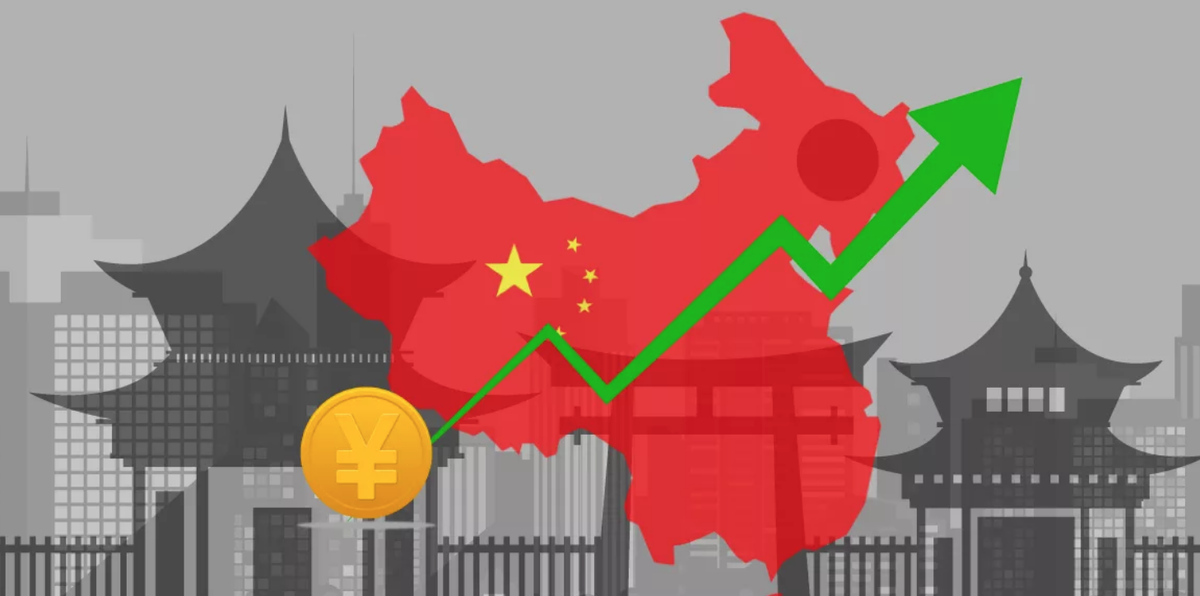
Chinese investment in Ireland has grown significantly, with the number of Chinese companies operating in the country rising from 25 in 2020 to 40 in 2024. This surge has prompted debates about whether these investments offer opportunities for economic diversification or carry reputational and political risks.

For some, Chinese investment represents a chance for Ireland to reduce its dependence on U.S. tech giants like Apple and Alphabet, creating jobs and potentially making the Irish economy more resilient. Companies such as Huawei and WuXi Biologics have made substantial financial contributions, with Huawei alone generating €800 million annually through its operations in Ireland. Additionally, TikTok’s European headquarters is in Dublin, and Chinese retailer Temu relocated its global headquarters to Ireland in 2023.

However, critics argue that these investments come with strings attached. Chinese companies, including Shein, Huawei, and WuXi, have been linked to human rights abuses, labor issues, and national security concerns. Shein, for instance, has faced allegations of child labor in its supply chain, while Huawei and WuXi have been sanctioned by the U.S. over security concerns. Critics like Irish MEP Barry Andrews have voiced concerns about Chinese companies’ practices, calling for stricter scrutiny and pointing out that human rights violations should not be overlooked.

Another concern is Ireland’s relationship with the U.S. Many of the Chinese firms setting up in Ireland, such as Huawei, are companies that have been sanctioned by the U.S., which could create diplomatic friction. Ireland, while aiming to de-risk rather than decouple from Chinese investments, must balance its close ties to both China and the U.S.

Economists are also divided on the benefits of Chinese investment. While the Irish government promotes its pro-business environment, some argue that Ireland’s economy is already heavily reliant on foreign direct investment (FDI). With unemployment at 4.3%, close to full employment, there is debate over whether Ireland needs additional jobs from Chinese firms. Dan O’Brien, chief economist at Ireland’s Institute of International and European Affairs, suggests that Ireland’s FDI dependence is too high, making the country vulnerable to global economic shifts, particularly if deglobalization trends continue.

Other experts, like Constantin Gurdgiev, emphasize that China’s investments offer Ireland a strategic cushion against potential U.S. pullbacks, especially given the pressure on American companies to re-invest domestically. Gurdgiev also points out that Ireland could act as a neutral ground where U.S. and Chinese firms can operate, giving Dublin a geopolitical edge.

Ireland’s relationship with China is further complicated by its low corporation tax, which has historically attracted foreign investment. However, international pressures have led Ireland to raise its tax rate for large companies. In light of corporate tax reforms and competition from other European nations, China’s investments could serve as a counterbalance if U.S. firms begin to relocate.

Nevertheless, Ireland risks playing a “dangerous geopolitical game” by courting Chinese companies while maintaining its diplomatic closeness with the U.S. While the Irish government insists that Chinese investment is part of a broader strategy to keep the economy competitive, the potential risks—both in terms of human rights and national security—cannot be ignored.

 

Killarney’s Remarkable Transformation: From Tourist Trap to Green Pioneer

Once notorious for its lackluster charm, Killarney, Ireland, has undergone a stunning transformation through innovative green initiatives and community efforts. Located on the scenic shores of Lough Leane and nestled among rugged mountains, Killarney’s revival is a testament to its residents’ commitment to sustainability and environmental stewardship.

Historically, Killarney was transformed into a tourist destination by Thomas Browne, the Viscount Kenmare, in the 18th century. He recognized its potential and invested in infrastructure and beautification, setting the stage for future tourism. However, by the late 20th century, the town’s appeal had diminished, plagued by overdevelopment and a reputation for tourist traps and loud parties.

In recent years, Killarney has embraced a green revolution, reflecting a shift towards sustainability that has revitalized its image. The town made headlines for becoming Ireland’s first to ban single-use coffee cups, significantly reducing waste. Visitors are encouraged to use reusable cups or pay a deposit for eco-friendly alternatives. This initiative, which has saved over one million cups annually, highlights Killarney’s commitment to environmental responsibility.

Local hotels have also joined the movement, signing the Killarney Hotels Sustainability Charter. This charter focuses on reducing carbon footprints, minimizing food waste, and collaborating with sustainable suppliers. Such efforts are supported by local groups like the Killarney Mountain Meitheal and the Tidy Towns organization, which engage in cooperative projects to enhance the town’s environment and aesthetics.

The transformation extends beyond waste reduction. The town has reconnected with its natural surroundings, utilizing urban spaces innovatively. For example, an urban farm has been established in a former nightclub space, growing herbs and vegetables using hydroponic systems. This initiative supports local restaurants and promotes sustainable practices.

Killarney’s commitment to sustainability has earned it accolades, including being named Ireland’s tidiest large town. The town’s efforts also involve revitalizing its connection to the adjacent Killarney National Park, which offers expansive natural beauty and diverse wildlife. The park has seen renewed interest and support from both locals and visitors, contributing to conservation and community engagement projects.

Overall, Killarney’s journey from a struggling tourist destination to a model of sustainable tourism demonstrates the power of community-driven change. Through a combination of innovative green practices and a deep connection to its natural environment, Killarney has redefined itself as a vibrant and eco-conscious destination.