
Yazılar

Recent Explosions in Lebanon Linked to Israeli Covert Operations

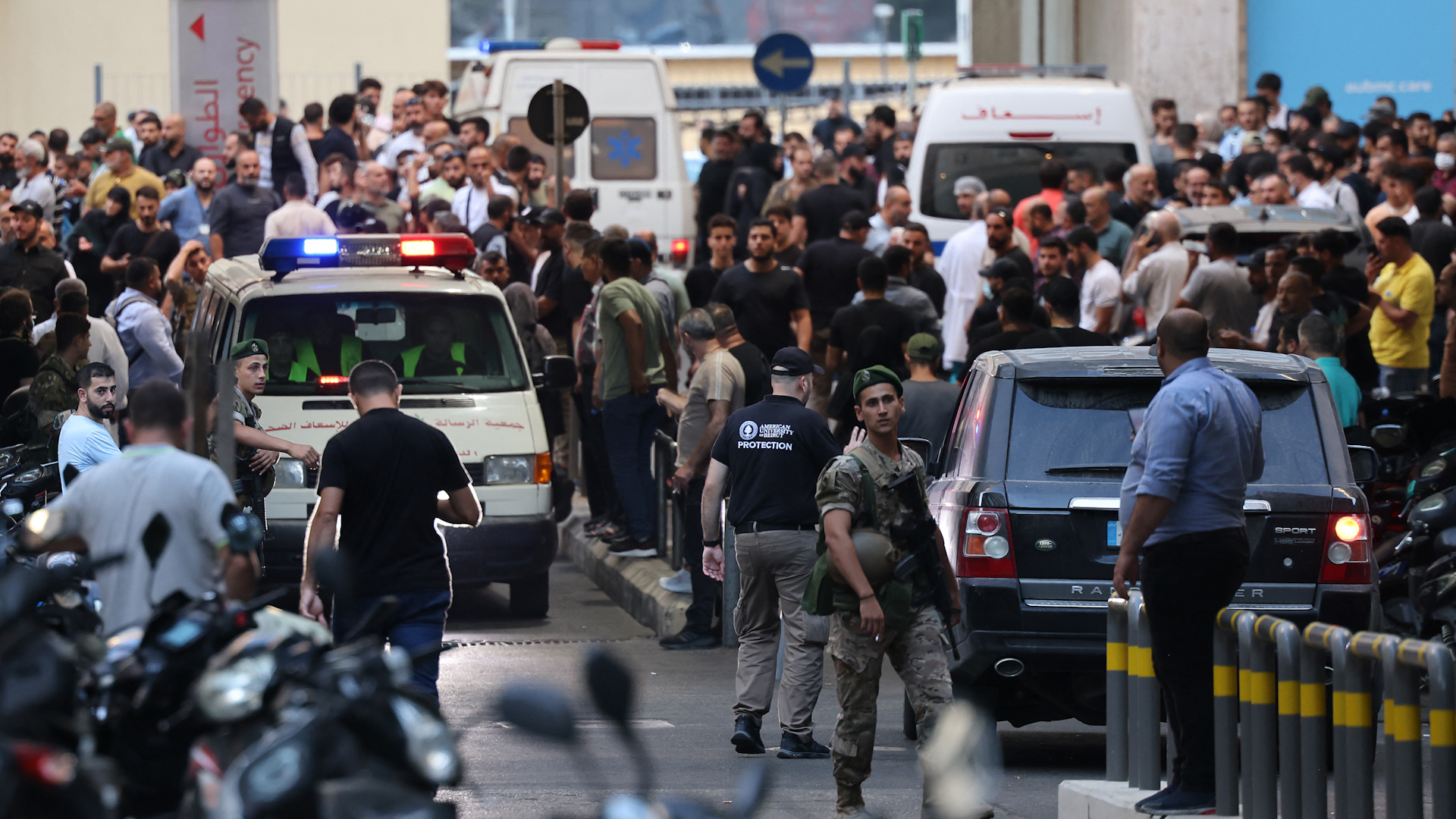
In a series of deadly incidents, hundreds of pagers exploded simultaneously across Lebanon, resulting in multiple casualties and thousands of injuries. Reports indicate that these explosions were part of a coordinated operation involving Israel’s intelligence service, Mossad, and the Israeli military. Just a day later, additional walkie-talkies detonated, raising concerns about further attacks targeting the Iran-backed militant group Hezbollah.

Israel has a long history of conducting covert operations against perceived threats, particularly in its ongoing conflict with Hezbollah. Allegations of using explosives in telecommunication devices date back to 1972, following the Munich Olympics massacre, leading to “Operation Wrath of God,” a campaign aimed at tracking down those responsible for the attack.

One notable case involved Mahmoud Hamshari, a Palestine Liberation Organization (PLO) representative, whose home was infiltrated by operatives who planted a bomb in his phone. When Hamshari answered a call, the bomb was detonated remotely.

The recent pager explosions echo past high-profile assassinations, such as that of Yahya Ayyash, Hamas’ chief bombmaker, who was killed in 1996 when his cell phone detonated. This incident triggered a wave of retaliatory suicide bombings.

Since 2010, Israel has also targeted Iranian nuclear scientists, with several assassinations linked to covert operations. The 2010 Stuxnet cyberattack, which disrupted Iranian nuclear facilities, further illustrates Israel’s willingness to employ advanced technology in its intelligence efforts.

The assassination of Mohsen Fakhrizadeh, Iran’s chief nuclear scientist, exemplified the integration of cutting-edge technology and human intelligence, utilizing a remote-controlled machine gun in a carefully orchestrated attack.

In light of the recent explosions, speculation arose regarding potential cybersecurity breaches that could have caused the detonations. However, former NSA analyst David Kennedy suggested that the scale of the explosions indicates a more direct involvement, possibly involving human operatives embedded within Hezbollah’s supply chain to tamper with the devices.

The New York Times reported that Israel allegedly concealed explosives within pagers ordered from a Taiwanese manufacturer, designed to detonate remotely upon receiving a specific message. These incidents underscore the intricate interplay of intelligence operations and high-stakes geopolitics in the region.

While many of Israel’s covert operations rely on sophisticated technology, human intelligence remains crucial. Recent events highlight the complex landscape of security and counter-terrorism in the Middle East, where the lines between cyber warfare and traditional tactics blur.
Mossad Operation Plants Explosives in Hezbollah Pagers, Sources Say

Israel’s Mossad spy agency reportedly infiltrated Hezbollah’s communication systems by planting explosives in 5,000 pagers ordered by the Lebanese group. According to a senior Lebanese security source and another individual, the operation, which had been in place for months, culminated in detonations on Tuesday, resulting in nine deaths and nearly 3,000 injuries, including Hezbollah members and Iran’s envoy to Beirut.

The pagers, which were sourced from Taiwan-based company Gold Apollo, were manufactured by BAC under a brand license, according to company officials. While the devices were supposedly designed for secure communication, Israeli intelligence allegedly modified them during production to include explosive material triggered by a coded message, making detection difficult for Hezbollah.

The attack represents a significant security breach for Hezbollah, which has historically used pagers as a low-tech communication method to evade Israeli tracking. Mossad’s infiltration into this system marks one of Hezbollah’s largest counterintelligence failures, leaving the group reeling. This comes amid increasing tensions between Israel and Hezbollah following the outbreak of the Gaza conflict.

Hezbollah, which vowed retaliation, has been engaged in cross-border warfare with Israel, escalating fears of a broader regional conflict involving Iran and the United States. Despite this, experts see the pager blasts as a sign of Israel’s intelligence capabilities rather than an indication of an imminent ground offensive. However, the attack showcases Israel’s deep penetration into Hezbollah’s operations, further straining the already precarious situation along the northern border.


Kamala Harris Promises to Cut Degree Requirements for Certain Federal Jobs

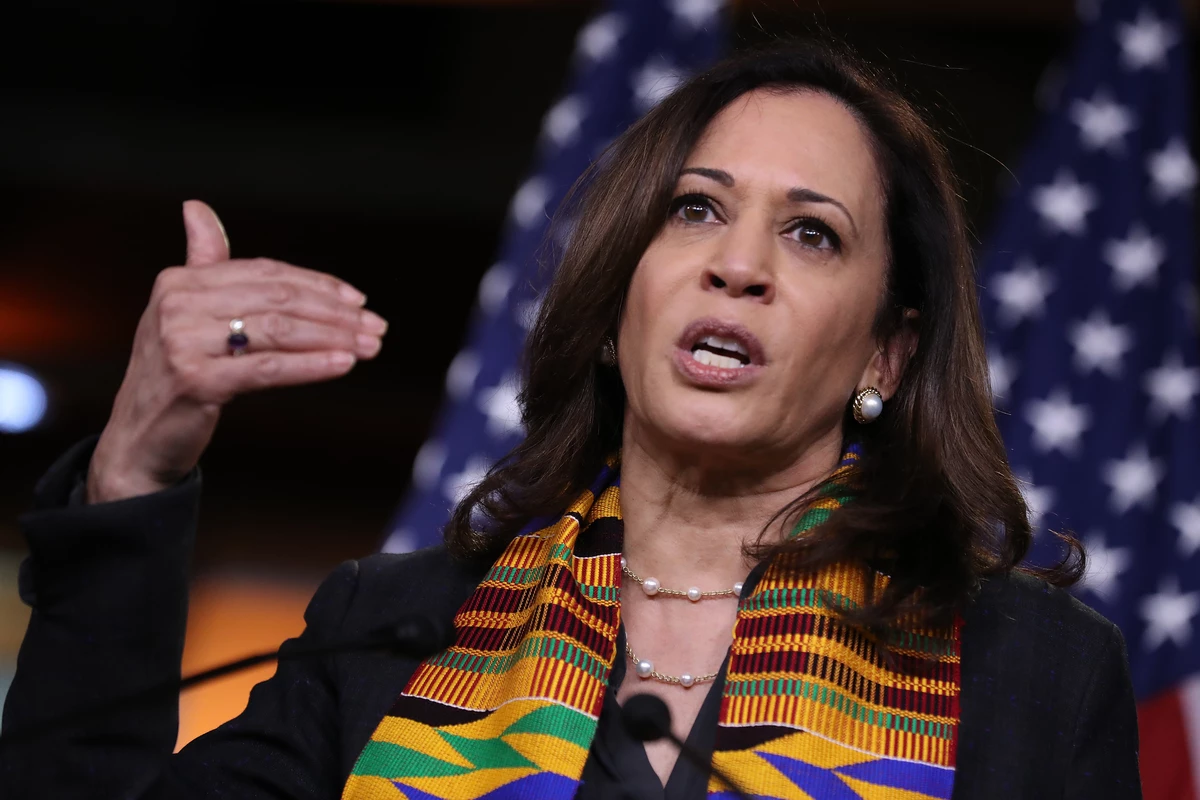
U.S. Vice President Kamala Harris announced her intention to eliminate college degree requirements for certain federal jobs if elected president, in a bid to create more employment opportunities for Americans without four-year degrees. This move comes as part of her broader campaign to appeal to voters alongside Republican rival Donald Trump in the tight race for the November 5 presidential election.

Speaking in Wilkes-Barre, Pennsylvania, Harris emphasized the need to recognize alternative pathways to success, such as apprenticeships and technical programs. “A degree does not necessarily indicate a person’s skills,” she stated, while also challenging the private sector to consider eliminating degree requirements for their positions.

According to data from the U.S. Census Bureau in early 2023, more than 62% of Americans aged 25 or older do not hold a bachelor’s degree. Harris’ plan aims to address the needs of this demographic, which comprised a significant portion of voters in the 2020 elections.

Focus on Economic Policies

Harris’ announcement is part of her broader economic platform, which also includes plans for a middle-class tax cut. This follows her previous advocacy for eliminating taxes on tips, a stance shared by her Republican opponent, Donald Trump, who has also pushed for tax cuts on overtime pay.

A recent survey by Gallup and the Lumina Foundation revealed that many Americans are skeptical about the value and rising cost of college education, with over half of U.S. adults citing financial concerns as a major factor for not pursuing higher education.

Protesters and Foreign Policy Stance

Harris’ speech was interrupted by protesters opposing U.S. support for Israel in its ongoing conflict with Hamas in Gaza. The war, which has claimed tens of thousands of lives and caused a humanitarian crisis, has sparked protests across the U.S. calling for an end to military aid to Israel.

In response, Harris reiterated her support for a ceasefire and a hostage rescue deal, stating, “Now is the time to get a hostage deal and ceasefire.” While maintaining her support for Israel, Harris’ stance on the conflict could influence her standing with pro-Palestinian Americans, including Muslims and Arabs, who overwhelmingly voted for Democrats in the previous election. Observers suggest that if these groups withhold their votes, it could affect Harris’ chances, though they are unlikely to support Trump.

The latest violence in the Israeli-Palestinian conflict was sparked by a Hamas-led attack on Israel on October 7, which resulted in the deaths of 1,200 people and the abduction of 250 hostages, according to Israeli reports. Israel’s military response has led to over 41,000 Palestinian casualties and widespread displacement, according to Gaza’s health ministry, with Israel facing genocide allegations that it denies.