Yazılar

India Set to Launch ESA’s Proba-3 Satellites Today: Live Stream and Key Details

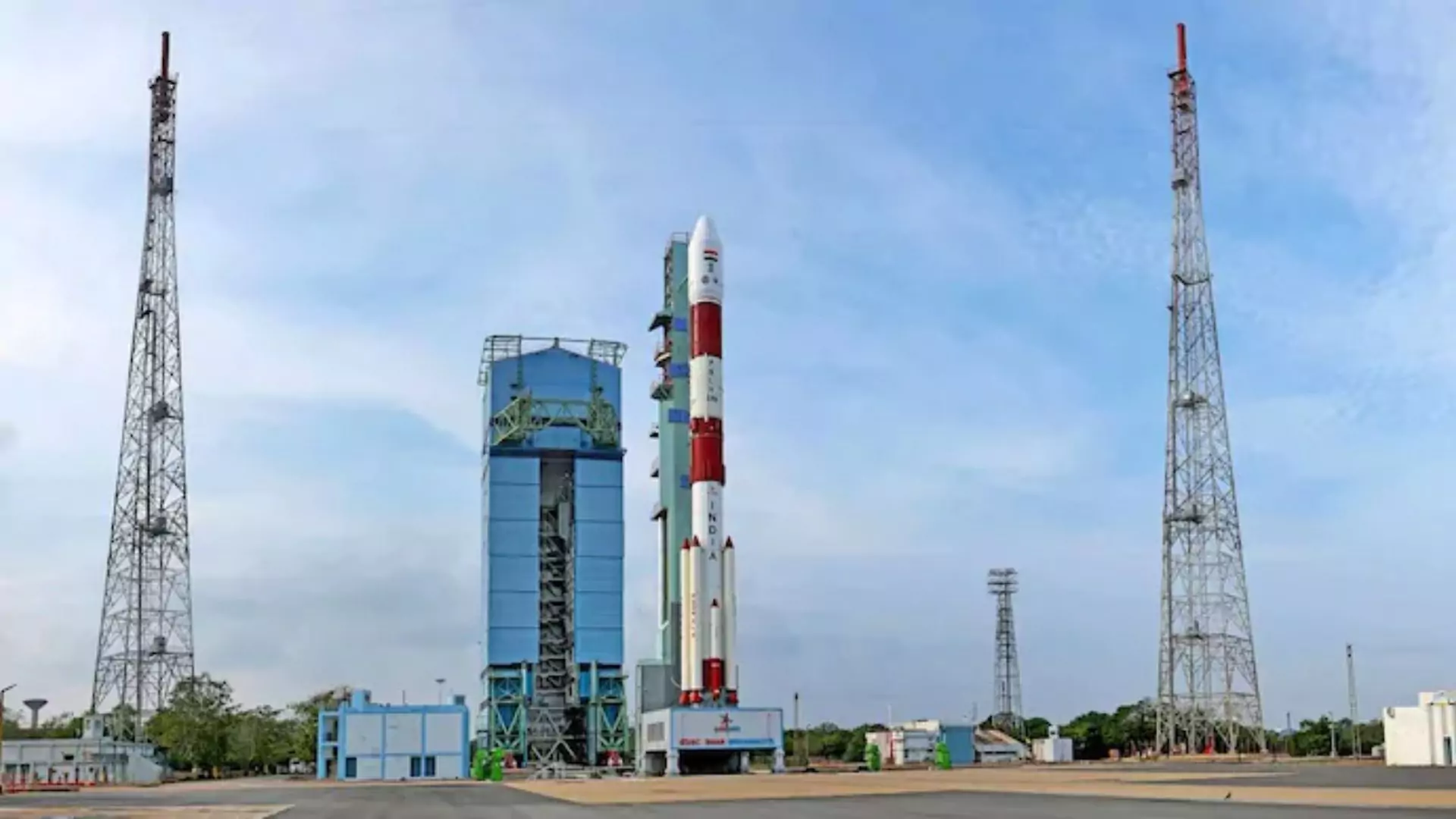
ESA’s Proba-3 Satellites Set for Launch Today Aboard India’s PSLV-C59
A historic mission by the European Space Agency (ESA) is set to launch today, December 4, 2024, with two advanced satellites that will work together to create artificial eclipses. The Proba-3 formation-flying mission will be launched from India’s Satish Dhawan Space Centre aboard the Polar Satellite Launch Vehicle (PSLV-C59). This mission aims to provide unprecedented insights into the Sun’s corona, marking a significant step forward in solar research.

Live Streaming and Launch Details
The Proba-3 satellites are scheduled to lift off at 4:08 PM IST. This remarkable event will be broadcast live, and space enthusiasts around the world can watch the launch via ISRO’s official YouTube channel. The Indian Space Research Organisation (ISRO) will also offer real-time updates through their social media channels, ensuring that followers can stay informed about the mission’s progress and key moments throughout the launch.

About the Proba-3 Mission
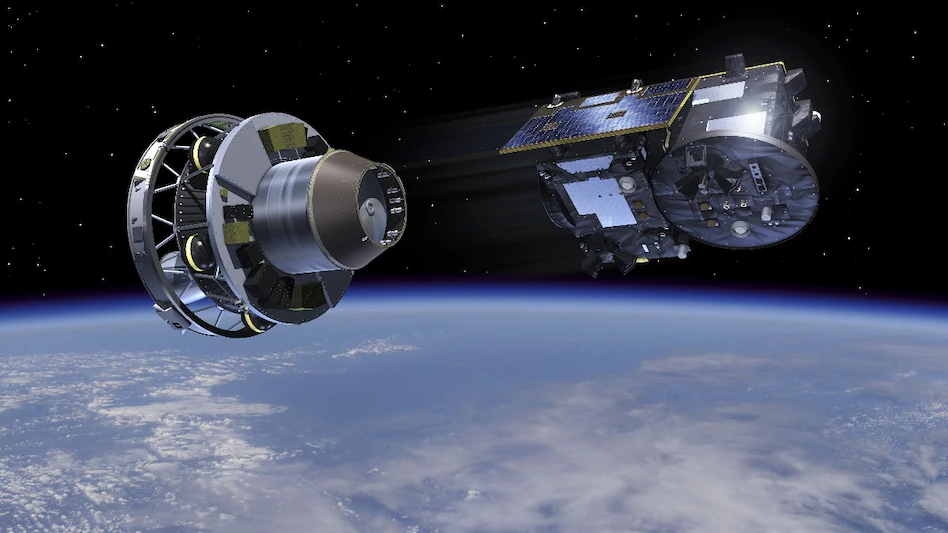
The Proba-3 mission involves two satellites flying in tandem to simulate a solar eclipse, allowing scientists to study the Sun’s outermost layer—the corona. This innovative formation flying technique will offer new opportunities for observing solar phenomena that are typically obscured by the Sun’s intense light. The Proba-3 satellites, which are equipped with advanced instruments, will gather crucial data that could help further our understanding of space weather and solar activity.

What to Expect from the Launch
The launch of the Proba-3 satellites represents not only a leap forward in solar research but also a continuation of the strong collaboration between ESA and ISRO. As India continues to make strides in space exploration, today’s launch highlights the country’s growing role in global space missions. Fans of space exploration can follow along with the live coverage to witness this exciting milestone in real-time.
ISRO’s PSLV-C59 Set to Launch ESA’s Proba-3 Mission for Solar Corona Exploration

ISRO’s PSLV-C59 Gears Up for ESA’s Proba-3 Solar Corona Mission
The Indian Space Research Organisation (ISRO) is set to launch the PSLV-C59 rocket on December 4, 2024, at 4:08 PM IST, carrying the European Space Agency’s (ESA) Proba-3 mission. This commercial launch, managed by NewSpace India Limited (NSIL), will take place from the First Launch Pad at the Satish Dhawan Space Centre, Sriharikota. Notably, this will mark the 61st mission of ISRO’s workhorse Polar Satellite Launch Vehicle (PSLV) and the 21st instance of its XL configuration being deployed.

Proba-3: A Unique Formation-Flying Demonstration
The Proba-3 mission represents an In-Orbit Demonstration (IOD) initiative by ESA, focused on precision formation flying. The spacecraft comprises two components: the Coronagraph Spacecraft (CSC) and the Occulter Spacecraft (OSC), which will function in a coordinated manner. Launched as a single unit, the satellites will separate in orbit and maintain an exact distance of 150 meters to replicate an artificial solar eclipse. This innovative arrangement will enable unprecedented observations of the Sun’s corona by blocking its direct light with the occulter.

Exploring the Mysteries of the Sun’s Corona
The mission’s primary goal is to study the Sun’s corona, the outermost layer of its atmosphere, which plays a crucial role in influencing solar dynamics and space weather. The corona is difficult to observe from Earth due to the Sun’s intense brightness, but Proba-3’s advanced instruments will overcome this challenge. Using the occulter to shield direct sunlight, the spacecraft will allow scientists to conduct continuous corona observations for up to six hours, capturing detailed data on solar eruptions, magnetic field interactions, and plasma behavior.

Global Collaboration in Space Science
The Proba-3 mission underscores the growing importance of international collaboration in advancing space science. By partnering with ESA, ISRO continues to demonstrate its capability to support complex missions requiring precision and innovation. The data collected by Proba-3 is expected to benefit not just solar physics research but also global efforts to improve predictions of space weather, which can impact satellite operations, communication systems, and power grids on Earth. This launch marks another milestone in India’s expanding role in the global space industry.

ISRO Launches Satellites to Track Cyclone Fengal Heading Towards Tamil Nadu

The Indian Space Research Organisation (ISRO) has deployed its advanced satellite technology to closely monitor Cyclone Fengal, which is heading towards the Tamil Nadu coast. The satellite monitoring, which commenced on November 23, 2024, is essential for tracking the cyclone’s progress and gathering data on its intensity. Key instruments like the EOS-06 Scatterometer, part of the Oceansat-3 mission, along with the INSAT-3DR satellite, are being used to provide real-time insights into the cyclone’s trajectory and potential impact.

The capabilities of these satellites are proving invaluable in early detection and tracking. According to a post on X (formerly Twitter) by ISRO’s official handle, both the EOS-06 and INSAT-3DR satellites have been monitoring the deep depression over the Bay of Bengal since November 23. ISRO highlighted that the data collected aids in better tracking, early warning systems, and mitigation efforts, ensuring timely responses to the evolving cyclone threat.

One of the standout features of the monitoring system is the EOS-06 Scatterometer, which plays a pivotal role in detecting ocean wind patterns associated with Cyclone Fengal. The scatterometer provides critical data on wind speed and direction, enabling meteorologists to analyze the cyclone’s behavior with greater accuracy. This early wind detection allows for better predictions of the cyclone’s potential path and strength, offering authorities the time needed to prepare and issue warnings.

Experts emphasize the importance of early detection in improving disaster preparedness and response. By providing timely and accurate data, these satellites enhance the ability of local governments and disaster management agencies to implement safety measures and evacuations ahead of the cyclone’s landfall. This proactive approach helps to minimize the impact of severe weather events on vulnerable coastal communities in Tamil Nadu.