Yazılar

Italy and Switzerland Agree to Shift Shared Border Due to Melting Glaciers

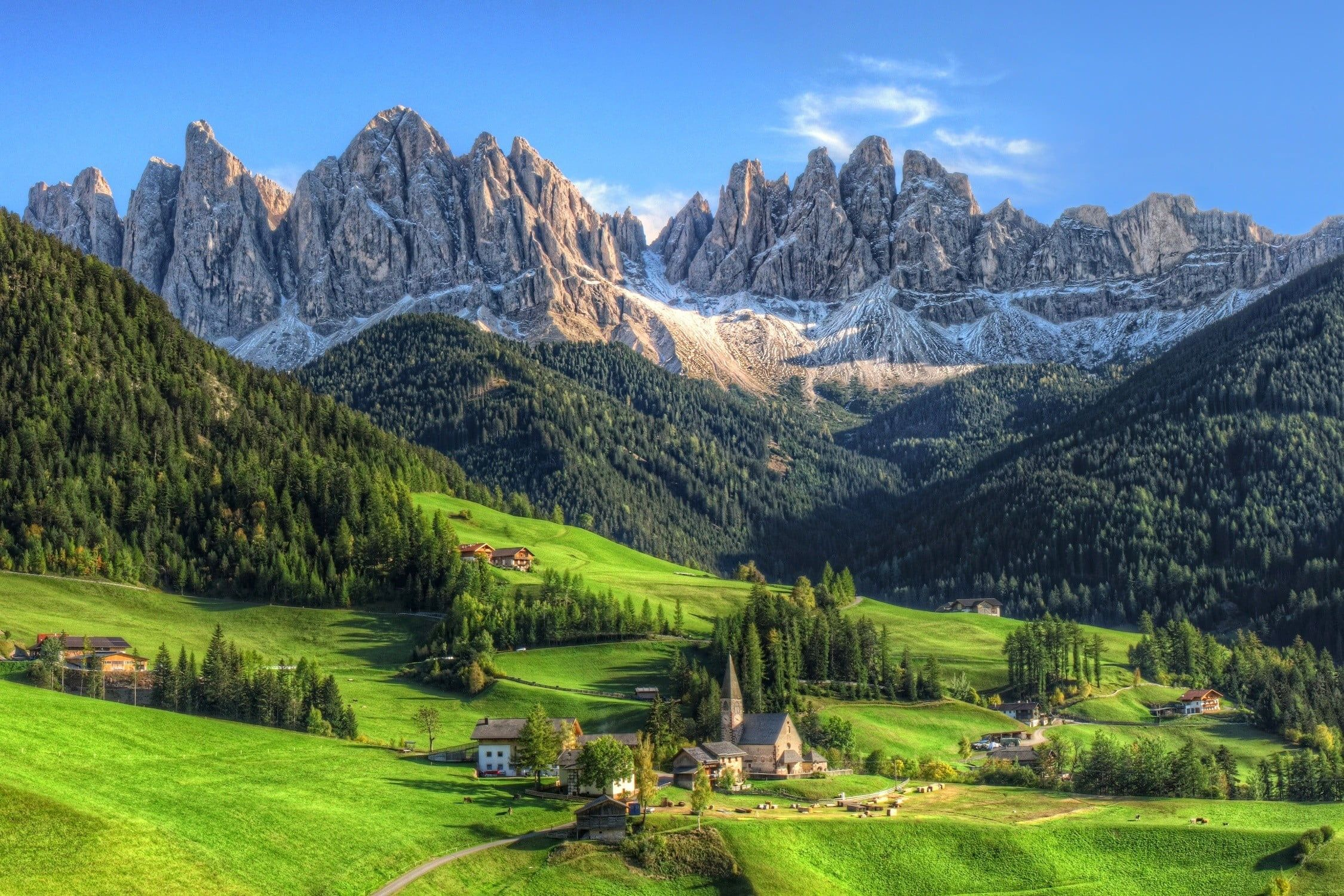
Italy and Switzerland have reached an agreement to adjust their shared border under the iconic Matterhorn Peak, a prominent feature in the Alps overlooking the popular ski resort of Zermatt. This decision, finalized by the Swiss government and pending approval from Italy, highlights the significant impact of climate change on national boundaries traditionally defined by natural features.

The border changes were first agreed upon in 2023 and were officially approved by the Swiss government recently. As glaciers and snowfields, which often define such borders, continue to melt due to rising temperatures, national boundaries have become increasingly fluid. The Swiss government explained, “With the melting of the glaciers, these natural elements evolve and redefine the national border.”

Europe is experiencing the fastest rate of warming globally, and its glaciers are particularly affected. In Switzerland, glaciers lost 4% of their volume last year, following a record 6% loss in 2022. Matthias Huss, a glaciologist at ETH Zürich and director of the Swiss glacier monitoring network GLAMOS, reported that glaciers are continuing to diminish rapidly. “In 2024, glaciers continued to lose ice at a high speed despite much snow in winter that was expected to bring some relief,” he noted, emphasizing that some smaller glaciers are disappearing entirely.

The melting glaciers not only threaten the geographical landscape but also increase the risk of landslides and collapses. This issue was tragically underscored in 2022, when 11 individuals lost their lives due to a glacier collapse in the Italian Alps. Furthermore, the retreat of these glaciers has led to unsettling discoveries, including the recovery of a mountain climber’s remains who had been missing for 37 years near the Matterhorn.

As glaciers recede, their ability to supply vital freshwater diminishes, which could exacerbate water shortages during extreme heat waves. Huss pointed out that the shifting of national borders is merely a “small side-effect” of the larger consequences of glacier melting. However, the visibility of such changes in the world map serves as a stark reminder of the profound transformations brought about by climate change.

The agreement to shift the border marks an important acknowledgment of the realities of climate impact on geographic and political landscapes, as nations grapple with the evolving effects of a warming world.

 

Exploitation of Migrant Workers Behind the ‘Made in Italy’ Luxury Label

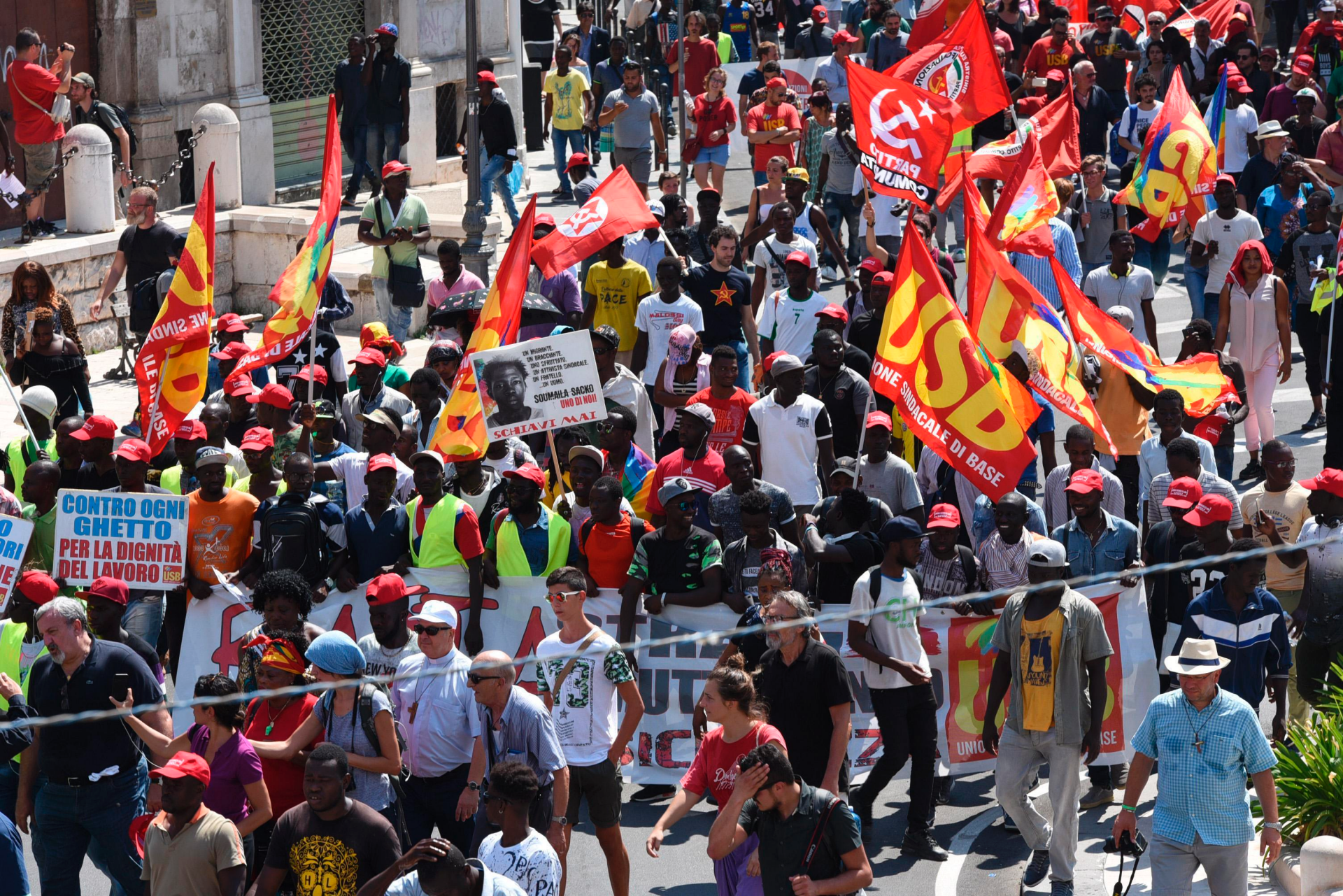
Migrant workers in Italy, primarily in the country’s famed luxury leather and fashion industries, have been subjected to sweatshop-like conditions while crafting high-end products. Recent protests, including a demonstration in Geneva by migrant laborers and union officials, highlighted these abuses, specifically targeting Montblanc, whose parent company Richemont allegedly cut ties with a Tuscany-based supplier, Z Production, due to improved worker conditions and rising costs.

Z Production, employing mostly undocumented migrant workers from countries like Pakistan, China, and Bangladesh, had been producing leather accessories for luxury brands, including Montblanc. Workers reported long shifts and harsh conditions, with one employee, Zain Ali, stating that they were treated “like slaves.” While Montblanc justified the termination of its contract with Z Production due to failure to meet its supplier standards, workers and unions contend that the decision was influenced by the contractor’s move to implement legal working hours and conditions.

This issue is not isolated. Investigations this year exposed poor labor practices in 16 workshops near Milan, producing for luxury brands such as Dior, Giorgio Armani, and Alviero Martini. Prosecutors found instances of undocumented labor, illegal subcontracting, and exploitation in these workshops, which functioned as part of an opaque supply chain designed to maximize profit at the expense of labor rights.

Migrant workers in Tuscany, a key leather-making region, described similar conditions. Abbas, a Pakistani migrant, recounted standing for 14 hours straight, suffering from severe pain, and receiving minimal pay for his work in a leather accessory factory. Workers, employed without contracts, often toiled for long hours without the necessary skills, contributing to products for major luxury brands.

Court documents reveal that luxury brands outsource production to contractors, who in turn subcontract the actual work to other workshops. This setup allows brands to maintain distance from labor violations, despite the prevalence of illegal practices within these subcontracted workshops. The Milan court has placed several of these companies, including Giorgio Armani Operations and Manufactures Dior, under judicial administration for a year to address labor violations.

Despite public commitments by brands like Dior and Armani to strengthen their supply chain oversight, industry experts warn that the sheer size of the luxury supply chain, involving thousands of suppliers and subcontractors, makes comprehensive monitoring nearly impossible. The pressure to keep production costs low, while maintaining high profit margins, incentivizes exploitative practices.

While raids and inspections by Italian authorities have forced some contractors to improve conditions, others have shifted production to less scrutinized areas of the country, such as Veneto and Campania, to avoid enforcement actions. The exploitation of workers, underpayment, and unsafe working conditions remain widespread, tarnishing the reputation of the ‘Made in Italy’ label and exposing the luxury sector’s reliance on cheap labor.


Italy’s Deputy PM Salvini Faces Jail Over Blocking Migrant Boat

Italian prosecutors are pushing for a six-year prison sentence for Deputy Prime Minister Matteo Salvini over his decision to prevent a migrant boat from docking in August 2019. At that time, Salvini, who served as interior minister, blocked the Open Arms charity ship carrying 147 migrants from reaching the island of Lampedusa for nearly three weeks before a court intervened.

Salvini faces charges of kidnapping and dereliction of duty, which he denies. He defends his actions, stating his aim was to prevent Italy from becoming a “refugee camp for all of Europe.” He publicly declared himself “guilty of defending Italy and Italians.”

The Open Arms vessel had rescued migrants near the Libyan coast and attempted to dock in Lampedusa, an island that has seen numerous migrant landings in recent years. Salvini’s “closed ports” policy, which he enforced as part of his interior ministry role, was designed to deter people smuggling operations by limiting access to Italian ports.

During the trial, crewmembers testified that conditions aboard the ship worsened, with deteriorating health and sanitation, including an outbreak of scabies. Prosecutor Geri Ferrara emphasized that, under Italy’s democratic system, “human rights must prevail over the protection of state sovereignty.” Salvini, however, maintained that he did not believe the ship’s situation was critical.

A verdict is expected next month. If convicted, Salvini could face six years in prison and be barred from holding public office. Despite the legal challenges, Salvini remains defiant. He took to social media to assert that “defending Italy is not a crime” and praised his government’s efforts, which he claimed led to reduced migrant landings and deaths in the Mediterranean.

Prime Minister Giorgia Meloni expressed her solidarity with Salvini, denouncing the charges as an alarming precedent. She argued that no Italian minister should be prosecuted for carrying out their duties to protect national borders.