Yazılar

Tesla Sued by Family Over Alleged Misrepresentation of Autopilot Safety in Fatal Crash

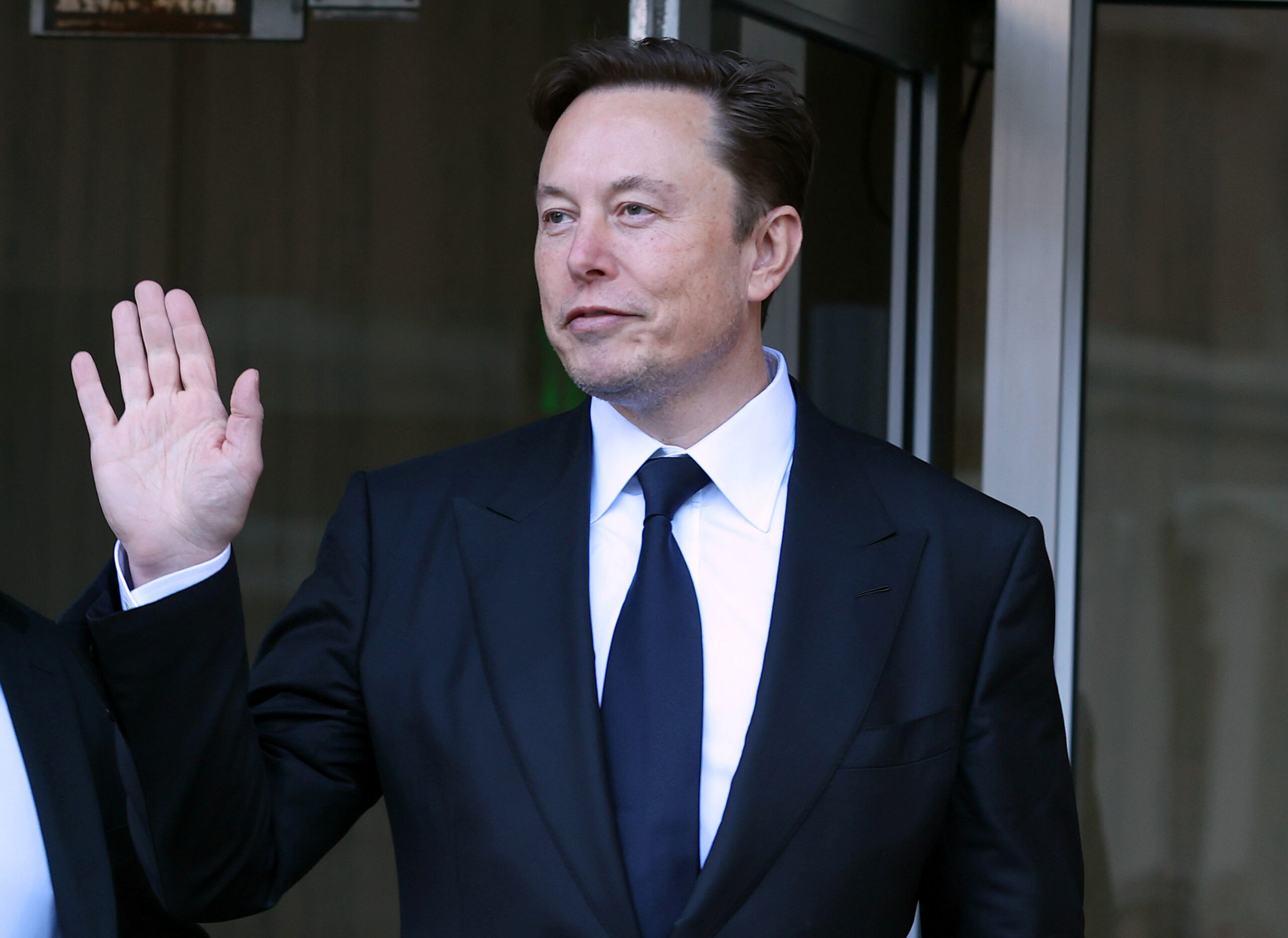
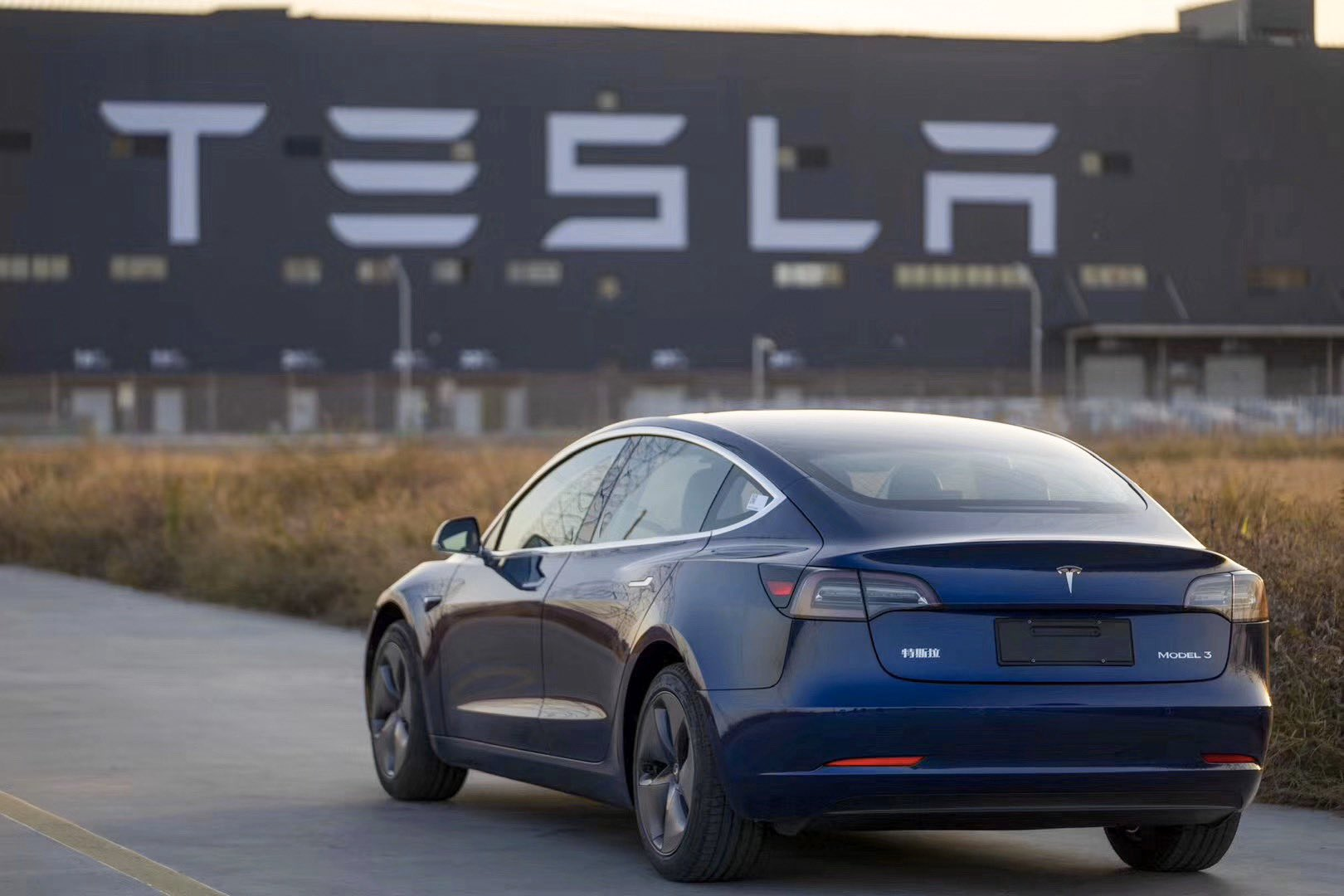
Tesla is facing a lawsuit filed by the family of a driver who died in a collision in 2023, alleging that the company’s “fraudulent misrepresentation” of its Autopilot technology was to blame for the fatal crash. The lawsuit, filed in October in Contra Costa County, California, centers around the death of Genesis Giovanni Mendoza-Martinez, who was driving a 2021 Tesla Model S when it crashed into a parked fire truck while using the Autopilot system. Mendoza’s brother, Caleb, who was a passenger at the time, was seriously injured in the incident.

The Mendoza family’s legal team argues that Tesla, along with CEO Elon Musk, has exaggerated the capabilities of the Autopilot system in order to boost excitement and financial performance for the company. The lawsuit cites multiple instances, including tweets, company blog posts, and statements from earnings calls, where Tesla has made claims about Autopilot’s safety and effectiveness.

In response, Tesla’s legal team contends that the crash was caused by the driver’s own “negligent acts” and that any representations made by the company were not a substantial factor in the incident. Tesla asserts that its vehicles and systems are designed to meet safety standards and comply with both state and federal laws.

Tesla recently succeeded in moving the case from state court to federal court in California’s Northern District. Legal experts note that fraud claims in federal court typically carry a higher burden of proof. The lawsuit adds to the growing number of legal challenges Tesla faces regarding the safety of its Autopilot and Full Self-Driving (FSD) systems. At least 15 other cases are currently active, involving Tesla incidents where either Autopilot or FSD was in use prior to a crash, some of which have been moved to federal court.

The crash has also drawn attention from the National Highway Traffic Safety Administration (NHTSA), which opened an investigation into Tesla’s Autopilot system in 2021. As part of the probe, Tesla made several updates to its systems, including over-the-air software modifications. A second NHTSA investigation is ongoing, evaluating the effectiveness of Tesla’s remedy to address Autopilot behavior around stationary emergency vehicles.

Tesla is also under scrutiny from the California Department of Motor Vehicles, which has sued the company for false advertising, alleging that Tesla’s claims about its Autopilot and FSD features mislead consumers. Despite these legal challenges, Tesla is continuing to roll out a new version of its FSD system. Elon Musk recently encouraged his millions of followers on X to “Demonstrate Tesla self-driving to a friend,” claiming the technology “feels like magic.”

Despite Musk’s ongoing promises of fully autonomous driving, competitors like Waymo (owned by Alphabet) and Chinese firms WeRide and Pony.ai are already operating commercial robotaxi services, while Tesla has yet to deliver a fully autonomous vehicle.
 

Elon Musk’s $1 Million Voter Lottery Lawsuit Returned to State Court

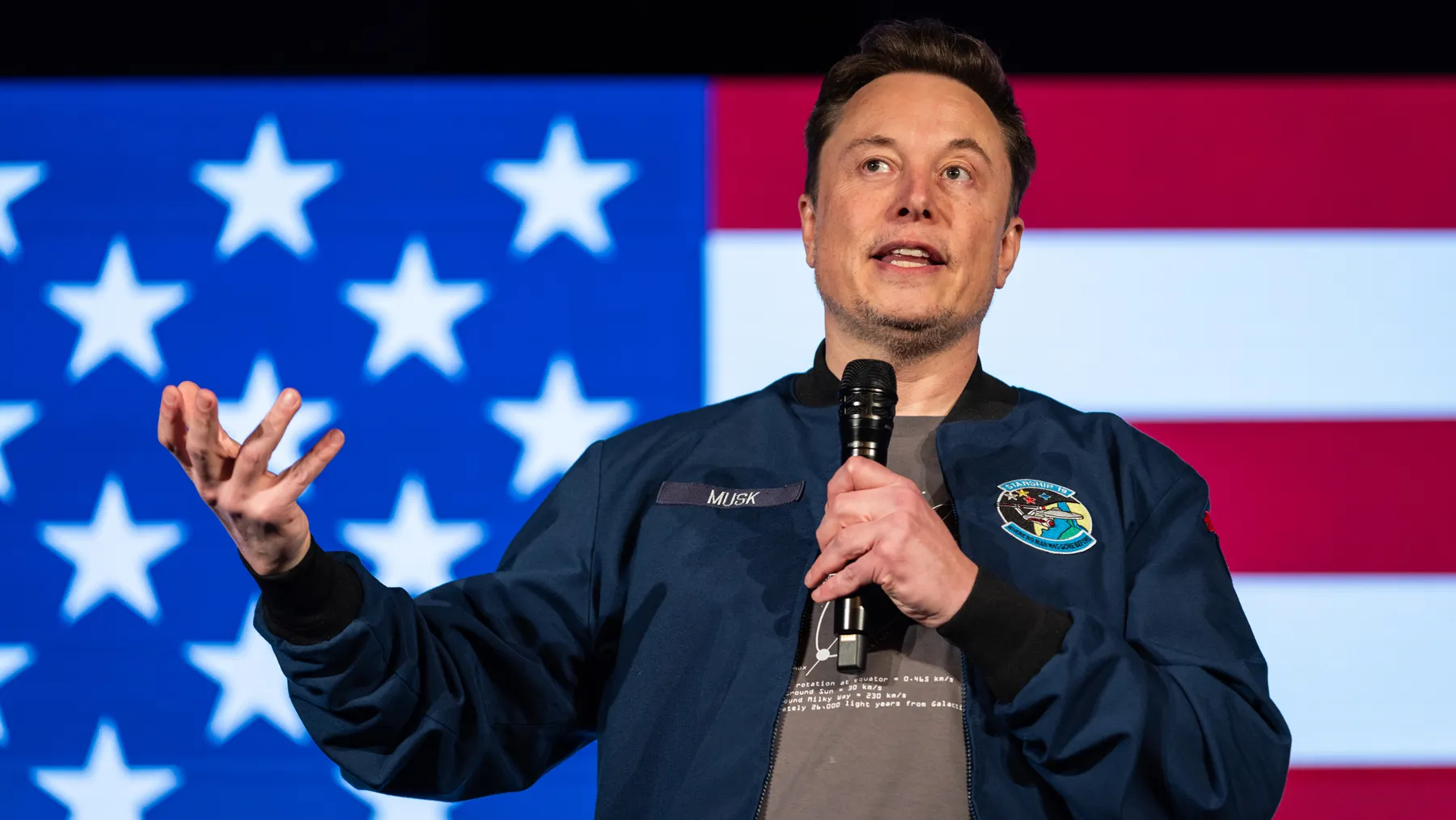
A federal judge in Pennsylvania has sent back to state court a lawsuit against Elon Musk and his political action committee (PAC) regarding a controversial $1 million daily lottery for registered voters. The ruling came on Friday, following Philadelphia District Attorney Larry Krasner’s request to halt the prize giveaways ahead of the upcoming presidential election.

Krasner’s office claims that Musk and his America PAC are running an illegal lottery designed to sway voters in the election between Donald Trump and Kamala Harris. They allege that the lottery violates state consumer protection laws and is aimed at influencing the electoral process.

The case was initially filed in the Philadelphia County Court of Common Pleas, but Musk’s team moved it to federal court, claiming jurisdiction due to its connection with the presidential election. However, U.S. District Judge Gerald Pappert ruled that the lawsuit should be handled in state court, stating that the legal issues raised are rooted in state law, not federal law. “Federal question jurisdiction does not turn on a plaintiff’s motivations in filing suit; it turns on whether the legal issues arising from the claims originate in federal or state law,” Pappert wrote.

In response to the ruling, Krasner’s office noted that the judge’s decision reaffirmed their position that Musk’s attempt to shift the case to federal court was unlawful. The District Attorney is seeking a hearing on Monday to address his request for an injunction against the lottery.

Musk announced the lottery on October 19, stating that the America PAC would randomly award $1 million daily until Election Day to registered voters in seven swing states, including Pennsylvania, who signed a petition supporting the U.S. Constitution. The first winners of the lottery were reportedly from Pennsylvania.

Following Krasner’s lawsuit, Musk was ordered to appear for an emergency hearing in the state court, but his legal team had already filed to move the case to federal jurisdiction. After Musk did not attend the scheduled hearing, Judge Angelo Foglietta indicated that the case could not proceed in state court due to its removal to federal jurisdiction.

Musk’s attorney, Matthew Haverstick, subsequently filed a motion to quash the order requiring Musk’s appearance, arguing that the request was intended to “harass and oppress” Musk during a critical election period. Haverstick contended that the District Attorney’s actions were an unconstitutional attempt to limit Musk’s First Amendment rights.


Elon Musk Revives Lawsuit Against Sam Altman and OpenAI

Elon Musk has reignited a lawsuit against ChatGPT creator OpenAI and its CEO Sam Altman, alleging the company prioritized profits over the public good. Musk, who co-founded OpenAI in 2015, claims Altman shifted the company’s focus towards commercial gain once its generative AI technology began to flourish. The lawsuit seeks to void OpenAI’s licensing agreement with Microsoft, contending that the use of OpenAI’s language models exceeds the scope of their partnership. Microsoft has invested billions into OpenAI in exchange for utilizing its AI models.

In June, Musk withdrew a prior lawsuit accusing OpenAI and Altman of abandoning their original mission to develop AI for humanity’s benefit. Filed in February, that suit was dismissed without explanation. Musk asserts that OpenAI’s founders initially committed to creating AI that would serve humanity rather than commercial interests. OpenAI and Musk did not respond to Reuters’ requests for comment.