Yazılar

Italy to Nominate Top Economy Ministry Official to STMicroelectronics Supervisory Board

Italy plans to appoint Marcello Sala, a senior official from its economy ministry, to the supervisory board of semiconductor giant STMicroelectronics, according to three sources familiar with the matter. Sala heads the department that oversees state-run firms and asset disposals, and his nomination is seen as part of Italy’s effort to gain greater influence over the chipmaker amid internal concerns about company leadership and job cuts.

STMicroelectronics, jointly owned by the French and Italian governments through a 27.5% stake in a holding company, is currently navigating a challenging environment due to weak performance in its key automotive and industrial sectors. The group employs around 50,000 people globally.

. Supervisory Shake-Up Amid CEO Criticism
Alongside Sala, Italy is also expected to nominate Simonetta Acri to the supervisory board, replacing outgoing members Maurizio Tamagnini and Donatella Sciuto. The proposed changes, once formalised, will require approval from STMicroelectronics’ supervisory board and shareholders during the general meeting scheduled for May.

One of the sources said Italy’s move comes amid dissatisfaction with current CEO Jean-Marc Chery, who has led the company through a rough patch marked by declining market demand. The supervisory board’s role is to provide policy oversight and strategic guidance to the board of directors.

. Closer Government Oversight and Labor Concerns
The Italian government is especially keen on getting a clearer picture of STMicroelectronics’ $300 million cost-cutting initiative, which includes a potential reduction in headcount. Italian labor unions have raised alarms about the possibility of over 2,000 job cuts, prompting Economy Minister Giancarlo Giorgetti and Industry Minister Adolfo Urso to call for a meeting with company and union representatives on April 3.

Marcello Sala, known for his involvement in sensitive state asset deals—including the reduction of Italy’s stake in Monte dei Paschi di Siena—will not immediately step down from his ministry role. His possible dual responsibilities underscore Rome’s intent to exert stronger oversight over critical strategic industries.

. Broader Influence in Corporate Italy
Sala is also in consideration for the chairmanship of payments group Nexi, where state investment arm Cassa Depositi e Prestiti is a major shareholder. The move reinforces the Italian government’s ongoing strategy to place key figures in influential positions across strategic sectors such as tech, banking, and digital infrastructure.

. Background Political Ties
Notably, current STMicroelectronics board member Paolo Visca previously served as chief of staff at the industry ministry during Giorgetti’s earlier tenure, reflecting the long-standing political ties influencing appointments within the group.

The developments at STMicroelectronics highlight Italy’s broader push to assert more control over strategic corporate decisions in industries critical to the nation’s economic and technological future.

HPE Forecasts Below-Estimate Revenue Amid Tariff Impact and Cost-Cutting Measures

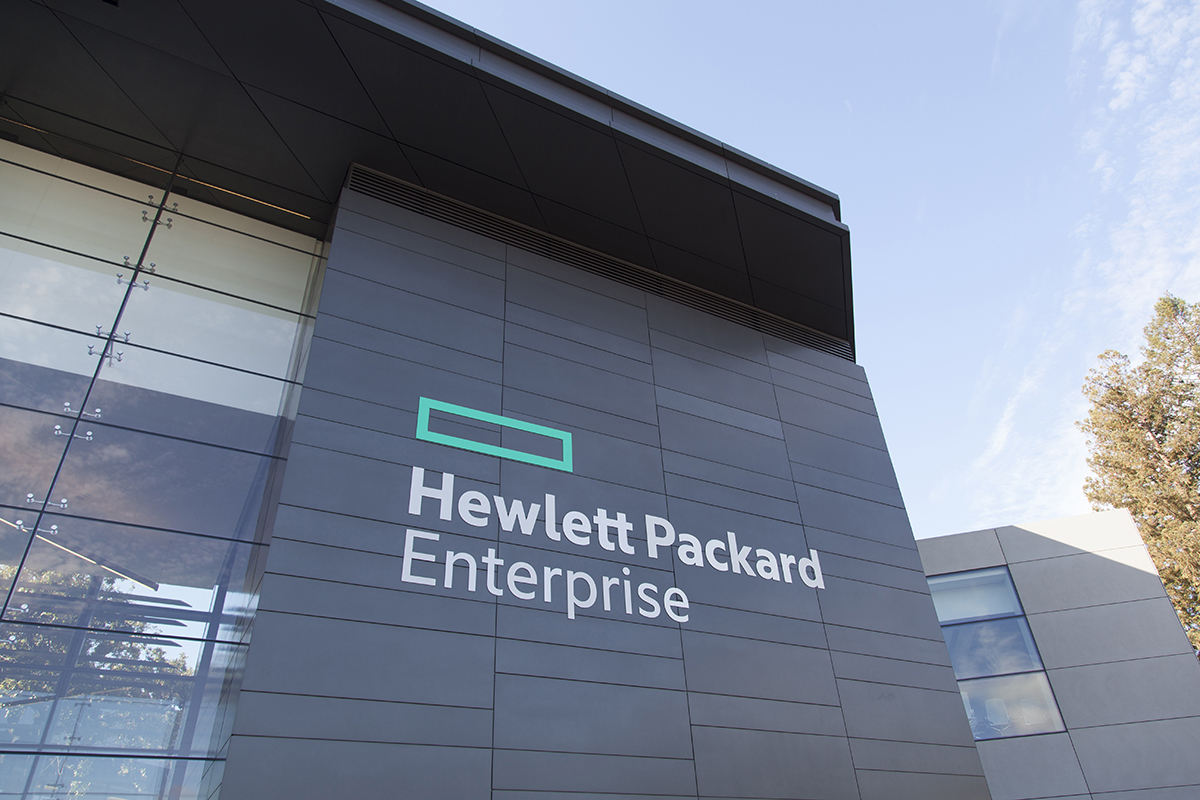
Hewlett Packard Enterprise (HPE) has projected quarterly revenue growth below analysts’ estimates, resulting in a nearly 20% drop in its shares in after-hours trading. The company attributed this forecast to the uncertainty created by the U.S. tariff war, which has affected its server business.

CEO Antonio Neri addressed the issue on a post-earnings call, explaining that HPE plans to adjust the prices of its products and leverage its global supply chain to mitigate the impact of both imposed and threatened tariffs. Neri added that the forecast reflects the company’s best estimate of the net effects of U.S. tariff policy.

U.S. President Donald Trump recently exempted certain goods from Canada and Mexico under a North American trade pact until April 2, temporarily easing some tariffs. However, Trump’s additional 10% duty on Chinese goods, which follows a 10% tariff imposed earlier in February, took effect this week, adding more pressure on companies like HPE.

Sales outside the U.S. account for nearly 64% of HPE’s net revenue in fiscal 2024, with key operations, including production and final assembly, based in Mexico and China. CFO Marie Myers stated that the company expects to mitigate much of the tariff impact during the second half of the year, although some effects may be felt in the second quarter as mitigation measures are gradually implemented.

HPE’s second-quarter revenue forecast falls between $7.2 billion and $7.6 billion, which is below the analysts’ expected $7.93 billion. The company’s profit forecast also missed expectations. In a bid to cut costs, HPE announced plans to lay off 5% of its global workforce, equating to approximately 2,500 jobs. These layoffs are part of a cost-saving program expected to generate about $350 million in savings by fiscal 2027. HPE had around 61,000 employees as of October 31.

Despite these challenges, the company reported first-quarter revenue of $7.85 billion, slightly surpassing analysts’ estimates of $7.82 billion. Server revenue grew by 29%, reaching $4.3 billion.

Meta Set to Announce Layoffs on Monday, Internal Memo Circulated

Meta Platforms, the parent company of Facebook, has confirmed plans to carry out company-wide layoffs next week, as revealed in internal memos shared with staff on Friday. The company is expected to send notifications to employees affected by the layoffs starting at 5 a.m. local time on Monday in various countries, including the United States. Meta has made it clear that these cuts are part of a broader strategy to trim down its workforce, focusing particularly on “low performers,” a move previously announced by the company. Alongside these layoffs, Meta is accelerating its recruitment of machine learning engineers, indicating a shift towards prioritizing AI expertise.

According to the memo from Meta’s Head of People, Janelle Gale, employees in certain countries, including Germany, France, Italy, and the Netherlands, will not be impacted by the layoffs due to local labor regulations. However, employees in other regions, including parts of Europe, Asia, and Africa, will receive their notifications between February 11 and February 18. The company’s decision to proceed with layoffs in these countries while maintaining operations in others highlights the complexities of managing a global workforce under varying legal constraints.

The layoffs will affect approximately five percent of Meta’s employees, particularly those deemed as “lowest performers.” Despite the cuts, Meta has committed to backfilling some of the positions, although specific details regarding the number of roles being reinstated or the timeline for these rehiring efforts remain unclear. The announcement comes as Meta continues to refocus its priorities, with machine learning and AI emerging as key areas of investment for the company moving forward.

In a departure from previous mass layoffs, Meta will not be shutting down its offices on Monday and will not issue further updates about the terminations, according to Gale’s memo. This approach signals a more structured, perhaps less disruptive method of handling the cuts, as Meta seeks to navigate its workforce changes while continuing its operations. The company’s decision to keep the offices open suggests a desire to maintain normalcy during the announcement, despite the ongoing restructuring process.