Yazılar

Intel CEO Pat Gelsinger Steps Down Amid Board’s Lack of Confidence in Turnaround Plan

Intel CEO Pat Gelsinger has resigned after nearly four years in office, following a board decision to replace him due to dissatisfaction with his ambitious turnaround strategy. The decision comes at a pivotal time for the chipmaker as it struggles to regain its competitive edge in the semiconductor market.

Key Details

  • Departure Circumstances: Gelsinger was asked to step down after a recent board meeting where his progress was deemed insufficient. The board offered him the option to retire or be removed, and he chose to resign.
  • Interim Leadership: Intel has appointed CFO David Zinsner and senior executive Michelle Johnston Holthaus as interim co-CEOs while a search for a permanent successor is underway.
  • Challenges During Tenure: Gelsinger inherited significant operational issues and faced market setbacks, including a failed AI-chip strategy and declining stock performance. Intel shares have fallen by over 60% under his leadership, losing its position in the Dow Jones Industrial Average to rival Nvidia.
  • Spending Spree and Fallout: Gelsinger’s ambitious $20 billion investment in new factories coincided with a downturn in the PC and laptop markets. The spending spree led to margin pressure, layoffs, and consideration of asset sales.

Strategic Missteps

  • Lagging AI Initiatives: Gelsinger’s Intel failed to deliver a viable AI chip competitor to Nvidia, a leader in the booming artificial intelligence sector.
  • Foundry Business Struggles: While the company pursued a shift to contract manufacturing, it secured only a few clients like Microsoft and Amazon, falling short of generating the volumes needed for profitability.
  • Board Tensions: Disagreements over Gelsinger’s strategy caused friction among board members, leading to the departure of Lip-Bu Tan, a key director with a track record of turning around chip firms.

Market and Industry Impact

  • Stock Performance: Intel’s shares fell by 0.5% following the announcement, while rivals AMD and Nvidia saw gains amid broader semiconductor index growth.
  • Competitor Dominance: Nvidia continues to dominate the AI-chip market, while AMD advances in innovative chip solutions, leaving Intel trailing in a competitive industry.

Next Steps

The board, chaired by Frank Yeary, has emphasized its commitment to restoring investor confidence and ensuring Intel’s manufacturing competitiveness. However, Gelsinger’s departure leaves questions about the future of Intel’s strategic direction and its ability to compete in a rapidly evolving semiconductor landscape.
 

Key Events Leading Up to CVS Health CEO Karen Lynch’s Departure

Karen Lynch’s tenure as CEO of CVS Health, which began in February 2021, has seen both notable successes and significant challenges, culminating in her stepping down amidst increasing shareholder pressure. Despite early wins, particularly during the height of the COVID-19 pandemic, CVS has faced difficulties in recent years, including declining stock value and multiple profit forecast cuts. Here’s a timeline of key events leading up to her departure:

Feb. 1, 2021:
Karen Lynch assumes the role of CEO during the COVID-19 pandemic, succeeding Larry Merlo. Under her leadership, CVS plays a crucial role in the U.S. pandemic response through its pharmacy and healthcare services.

Feb. 9, 2022:
CVS’s stock reaches near 7-year highs, largely benefiting from high demand for COVID-19 vaccines and related services provided at its drugstores.

Aug. 3, 2022:
The company raises its annual outlook for COVID-related revenue, anticipating a surge in sales of over-the-counter tests amid ongoing concerns about the pandemic.

Sept. 5, 2022:
CVS announces its acquisition of Signify Health, a home healthcare services provider, for approximately $8 billion in cash, marking a major move into the home health sector.

Feb. 8, 2023:
CVS continues its expansion by purchasing primary care provider Oak Street Health for $9.5 billion in cash, further pushing into the urgent care market.

May 3, 2023:
The company pauses further acquisitions to focus on integrating recent purchases, including Signify Health and Oak Street Health, as it navigates operational complexities.

Aug. 2, 2023:
In an effort to reduce costs, CVS announces plans to cut 5,000 non-customer-facing roles and shut down its clinical trials services.

Nov. 1, 2023:
Facing growing financial pressures, CVS revises its profit forecast downward to account for rising medical costs in its Aetna insurance division.

Dec. 5, 2023:
The company forecasts 2024 revenue above market estimates and announces plans to simplify the reimbursement structure for its pharmacies, aiming to increase transparency amid scrutiny over rising healthcare costs.

Feb. 27, 2024:
CVS cuts its 2024 profit forecast once again, this time due to rising Medicare-related costs, further straining investor confidence.

April 2, 2024:
The U.S. government announces final rates for Medicare Advantage payments, implying a reduction that raises concerns about margin pressures for CVS and other healthcare providers.

May 1, 2024:
CVS revises its profit forecast downward for the third time, citing persistent high medical costs, signaling deeper financial struggles within the company.

Aug. 7, 2024:
Shares of CVS drop sharply following another profit forecast cut, with the company acknowledging that high medical costs will likely continue throughout the year.

Aug. 14, 2024:
Regulatory filings reveal that investment firm Sachem Head Capital Management has acquired a new stake in CVS during the second quarter, hinting at increased shareholder pressure for changes at the company.

Sept. 29, 2024:
The Wall Street Journal reports that hedge fund Glenview Capital plans to meet with CVS executives to propose operational improvements. Reuters later confirms that CVS is exploring various options to enhance its performance.

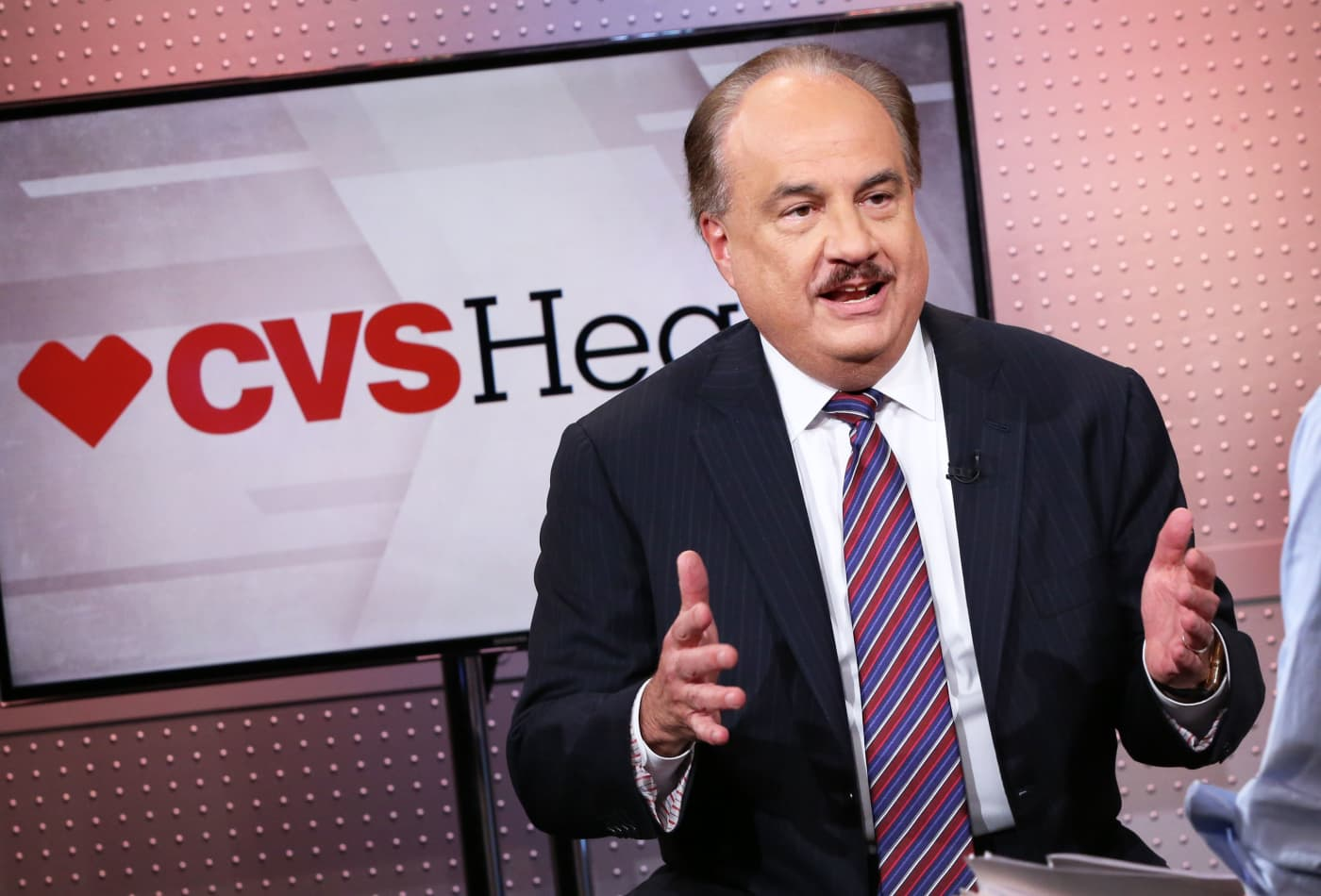
Lynch’s departure comes after nearly four years of navigating the complex healthcare landscape and facing mounting pressure to reverse the company’s declining stock performance and rein in Aetna’s rising medical costs. Her replacement, David Joyner, steps into the role with significant challenges ahead.


Behind the Scenes of Hamas’ Leadership Change

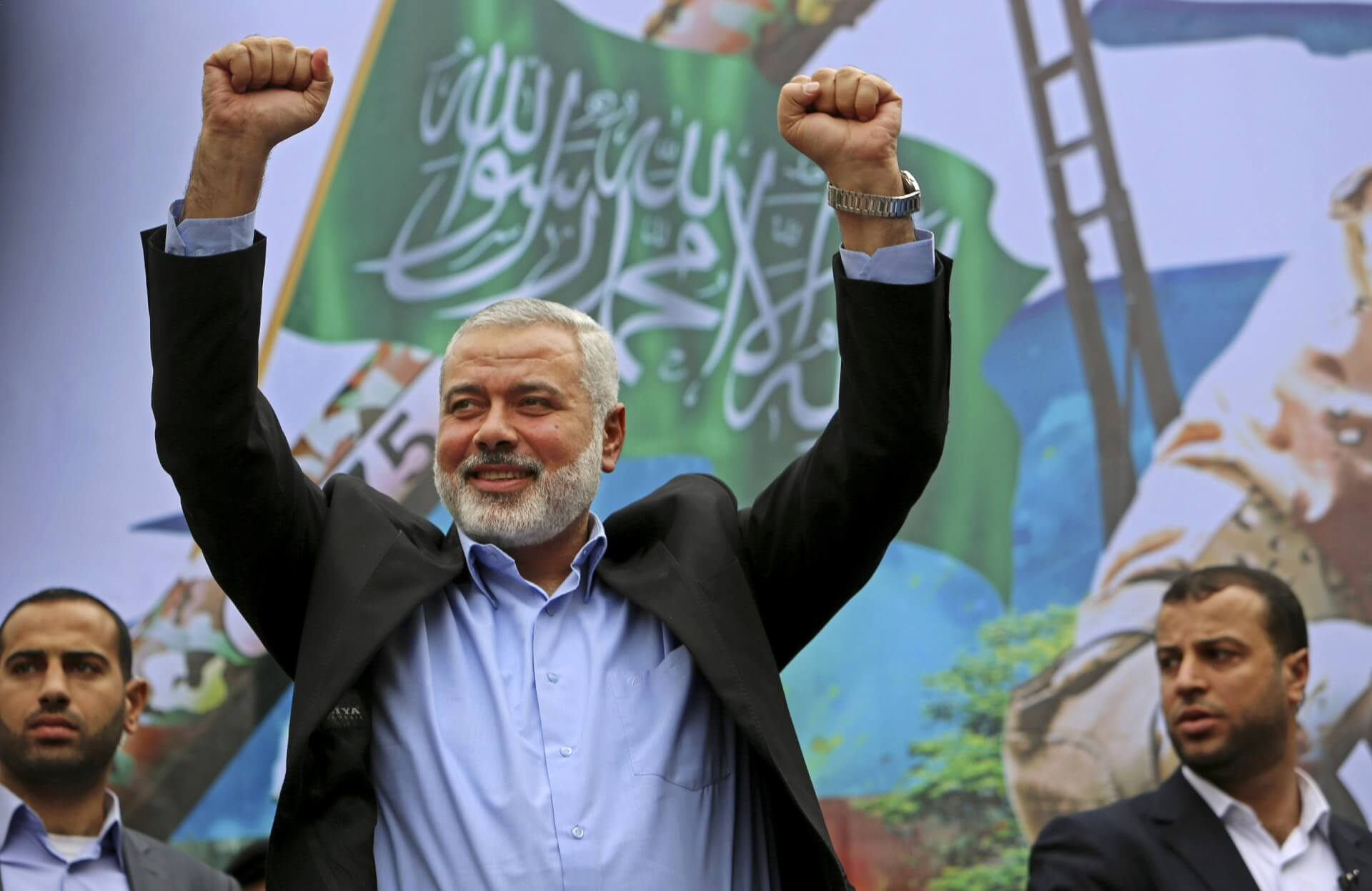
Last week, as global media spotlighted the event, Hamas leaders gathered in Qatar to elect a new political leader following a tumultuous period. Delegates from across the Middle East arrived, deeply impacted by the recent death of Ismail Haniyeh, who was killed in Tehran in late July. Haniyeh, a key figure in Hamas, had played a pivotal role in navigating the group’s strategies amid ongoing conflicts with Israel.

The funeral in Doha, attended by hundreds, marked both a solemn farewell and the dawn of a new phase for Hamas. The meeting, reminiscent of previous transitions such as after the assassinations of Sheikh Ahmed Yassin and Abdel Aziz al-Rantisi, underscored the gravity of the situation facing Hamas.

Since Hamas’ attack on southern Israel on October 7, which resulted in significant casualties and hostages, and Israel’s subsequent retaliation causing extensive devastation in Gaza, the organization has faced severe challenges. The loss of Haniyeh, reportedly killed by a missile or bomb, was a significant blow.

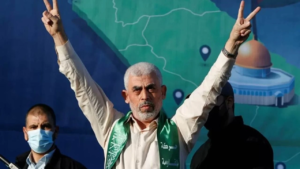
At the Doha ceremony, Abu Omar Hassan, the head of the Supreme Shura Council, was initially expected to serve as interim leader. However, after intense discussions, Hamas elected Yahya Sinwar as the new leader. Sinwar, who has led Hamas’ Gaza operations since 2017, is closely tied to the group’s militant wing and has a controversial reputation due to his involvement in the October 7 attacks.

His appointment, despite concerns from some within Hamas, reflects the group’s need to assert strength and defiance amid ongoing conflict. Sinwar’s choice, driven by his prominence following the attacks, signals a shift towards a more radical stance, aligning with the “axis of resistance” supported by Iran.

The appointment comes as ceasefire negotiations continue, with Qatar and Egypt working on a plan potentially involving concessions to Iran to halt further military responses. Despite these efforts, conflict continues, with Sinwar poised to lead Hamas through a critical and volatile period.