Yazılar

Jury Deliberates in Arm-Qualcomm Trial Following Closing Arguments

The high-stakes license dispute between U.K.-based Arm Holdings and U.S. chipmaker Qualcomm has entered jury deliberations after closing arguments were presented on Thursday in a Delaware federal court. The case hinges on whether Qualcomm and Nuvia, a startup it acquired for $1.4 billion in 2021, violated Arm’s intellectual property license agreements.

The outcome of the trial could significantly impact Qualcomm’s expansion into the PC market, where it seeks to compete with Apple and Intel with its high-performance chips designed for AI-driven laptops.

Closing Arguments

Qualcomm’s legal team argued that neither Qualcomm nor Nuvia breached their contract with Arm, accusing the British company of using the lawsuit as leverage to exert control over smartphone chipmakers. Qualcomm attorney Karen Dunn warned the jury that a ruling in Arm’s favor could set a dangerous precedent, forcing Qualcomm to destroy its recently launched chips and threatening similar licensing agreements with other partners.

“You can bet the world is watching here,” Dunn emphasized, framing Arm’s actions as an overreach intended to stifle competition.

Arm’s attorney Daralyn Durie, however, dismissed these claims as irrelevant distractions, urging jurors to focus solely on whether Qualcomm and Nuvia violated their contractual obligations. Durie argued that Arm lawfully terminated its agreement with Nuvia in 2022 after finding the startup in breach, thereby requiring Nuvia to destroy technology based on Arm’s intellectual property.

“The decision to go ahead and use all this stuff without a license, that was their choice,” Durie stated, asserting that Qualcomm knowingly took a risky path.

Key Points of Contention

The dispute revolves around the termination of Nuvia’s license and its implications for Qualcomm’s chip designs. Qualcomm maintains that the Nuvia-developed technology at issue was created independently from Arm’s IP, while Arm claims otherwise.

Arm attorneys contend that Qualcomm aimed to save up to $1.4 billion annually by leveraging Nuvia’s designs under a less expensive licensing structure. Qualcomm countered by alleging Arm misled it into disbanding its internal design team, thereby increasing reliance on Arm’s technology before raising royalty rates by as much as 400%.

Additionally, Qualcomm cited internal Arm documents that it claims reveal plans to enter the chipmaking business, a move Qualcomm says undermines their longstanding partnership. Arm CEO Rene Haas denied these allegations during the trial.

Jury Deliberations

The jury deliberated for three and a half hours on Thursday but did not reach a verdict. Deliberations will resume Friday morning.

The trial, which began Monday, has broader implications for the semiconductor industry and Arm’s business model. Arm has characterized Qualcomm’s actions as an unprecedented violation of licensing norms that could disrupt its established practices of licensing technology to chipmakers globally.

The case underscores the growing tensions between major players in the semiconductor industry as competition intensifies in emerging markets like AI and advanced computing.
 

Elon Musk’s X Set to Resume Operations in Brazil After Final Fine Payment

Elon Musk’s social media platform X is set to be restored in Brazil after it fulfills one last condition: the payment of an additional fine. Brazil’s top justice, Alexandre de Moraes, issued a ruling on Friday requiring the platform to pay 10 million reals (approximately $2 million) for two more days of non-compliance with previous court orders. Rachel de Oliveira, X’s legal representative in Brazil, is also liable for a separate fine of 300,000 reals.

The legal battle between X and the Brazilian government dates back to April, when de Moraes, a justice of the Supremo Tribunal Federal (STF), launched an investigation into Musk and X for allegedly obstructing justice. Musk had previously vowed to defy court orders to remove specific accounts, which he described as “censorship.” This defiance culminated in the platform being suspended at the end of August, a ruling upheld by a judicial panel on September 2.

Earlier this month, X informed Brazil’s supreme court that it was now compliant with its orders. Despite this, the additional fine was imposed for X’s delayed adherence. The ongoing conflict escalated after Musk criticized de Moraes publicly, calling him a “criminal” and urging the U.S. to cease foreign aid to Brazil.

In mid-August, Musk also closed X’s offices in Brazil, leaving the company without a legally required representative. Following this, the STF issued an ultimatum, threatening a nationwide ban on X and further fines if the platform did not comply with orders to remove certain accounts accused of harming federal agents.

The case became even more complex when the STF froze the business assets of Musk’s companies, including X and Starlink, as the court viewed them as interconnected entities. Musk responded by threatening reciprocal legal action against the Brazilian government unless his company’s assets were returned.

Justice de Moraes has been a strong advocate for federal regulation to combat hate speech and misinformation online, leading to pushback from tech companies and far-right officials, including former President Jair Bolsonaro and his supporters. Musk, who has criticized Brazil’s current President Luiz Inacio Lula da Silva, has maintained a long-standing relationship with Bolsonaro, who previously authorized SpaceX to operate in Brazil.

Though Musk portrays himself as a defender of free speech, his leadership at X has drawn criticism. Under his management, X has complied with government takedown requests in countries like Turkey and India, with compliance rates increasing significantly in 2023 compared to the previous year.

X now faces increased competition in Brazil, with Meta’s Threads and Bluesky gaining users during its suspension. Starlink, Musk’s satellite internet business, also faces competition from French-American firm eSpace, which was recently authorized to provide services in Brazil.

Lukas Darien, a law professor at Facex University Center in Brazil, commented on the implications of the case, noting that it sets a precedent for large technology companies. “This case demonstrates that laws will be enforced in Brazil, regardless of the size or influence of the business,” Darien said.

On Thursday, X Global Government Affairs released a statement affirming its commitment to free speech, stating: “X is committed to protecting free speech within the boundaries of the law… We believe that the people of Brazil having access to X is essential for a thriving democracy.”


Delta Passengers Sue Airline Over Refund Denials Amid Tech Meltdown

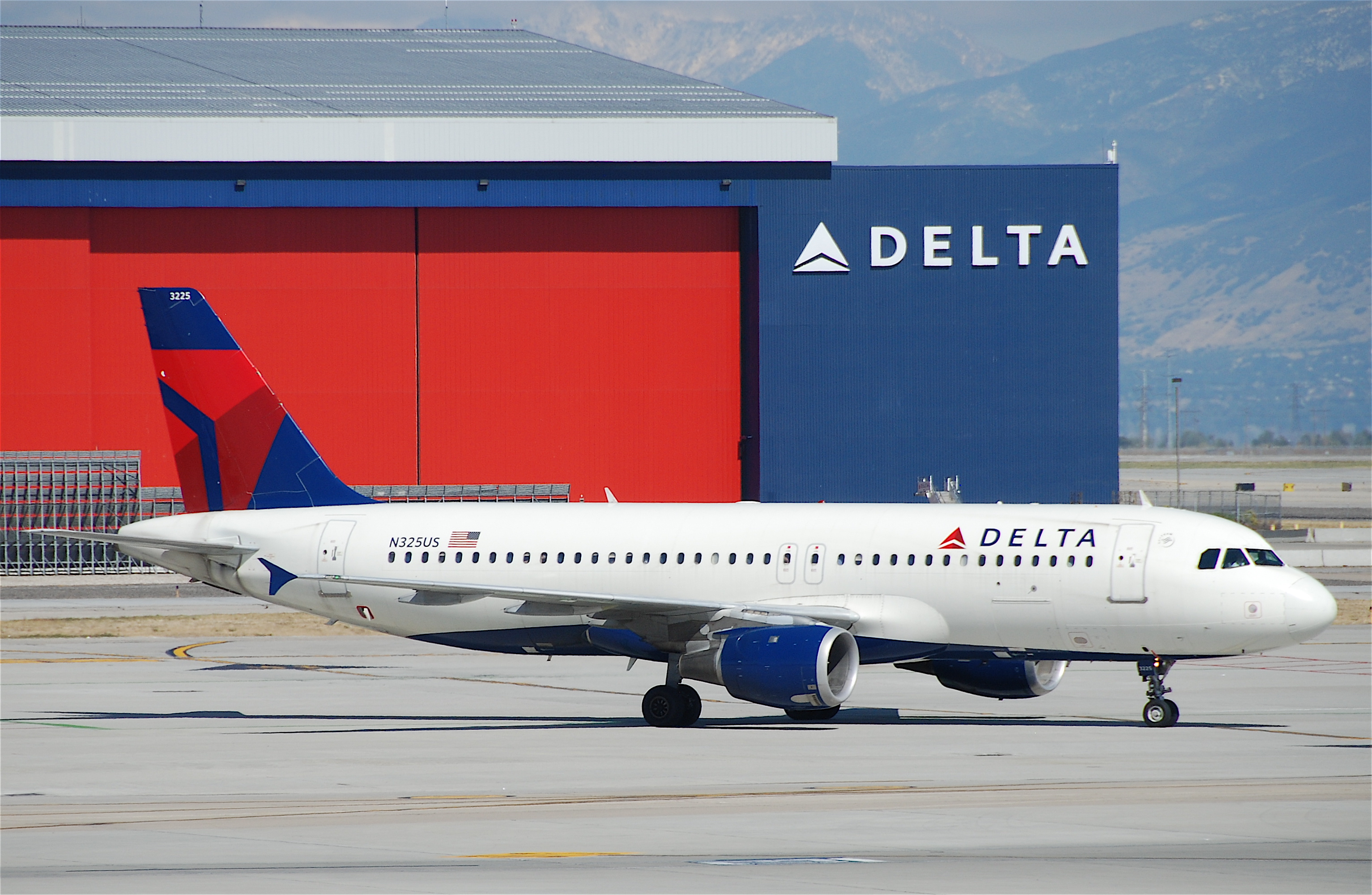
Delta Air Lines faces a class-action lawsuit from passengers affected by a global tech outage in July that led to widespread flight cancellations. The suit alleges that Delta refused or imposed conditions on refunds, leaving travelers stranded and incurring additional expenses.

The legal action comes as Delta, CrowdStrike, and Microsoft engage in a dispute over responsibility for the tech failure on July 19, which disrupted Delta and other companies globally. The lawsuit describes the fallout as “disastrous,” with Delta’s inability to recover quickly stranding passengers worldwide and causing significant distress.

According to the complaint, Delta denied automatic refunds for canceled flights and, in some cases, required passengers to sign waivers to receive partial reimbursement. The lawsuit also claims Delta did not provide meal, hotel, or transportation vouchers, forcing passengers to cover unexpected costs.

Delta’s recovery was slower compared to its competitors, with over 1,250 flights canceled on July 22 alone, following more than 4,500 cancellations between July 19 and July 21. The lawsuit seeks compensation for all affected passengers.

One plaintiff faced multiple cancellations and had to book alternative flights at their own expense. Despite Delta’s assurance of an automatic refund, the plaintiff received a $100 voucher instead of reimbursement for nearly $2,000 in out-of-pocket costs. Other passengers reported missing significant events and having to use alternative transportation due to the cancellations.

Transportation Secretary Pete Buttigieg has expressed concern over the situation and promised continued investigation. Delta’s CEO, Ed Bastian, has blamed CrowdStrike for the incident, claiming the tech firm’s failures cost Delta $500 million and alleging they did not provide adequate support.

CrowdStrike and Microsoft have refuted Delta’s claims, suggesting Delta ignored offers for help and failed to maintain updated IT systems, exacerbating the outage. Microsoft noted that Delta’s crew-tracking system was managed by other providers, not Microsoft, raising questions about Delta’s IT infrastructure decisions.

The case highlights ongoing tensions over tech failures and responsibilities, with Delta, CrowdStrike, and Microsoft each defending their actions amid the fallout.