Yazılar

Tesla Sued by Family Over Alleged Misrepresentation of Autopilot Safety in Fatal Crash

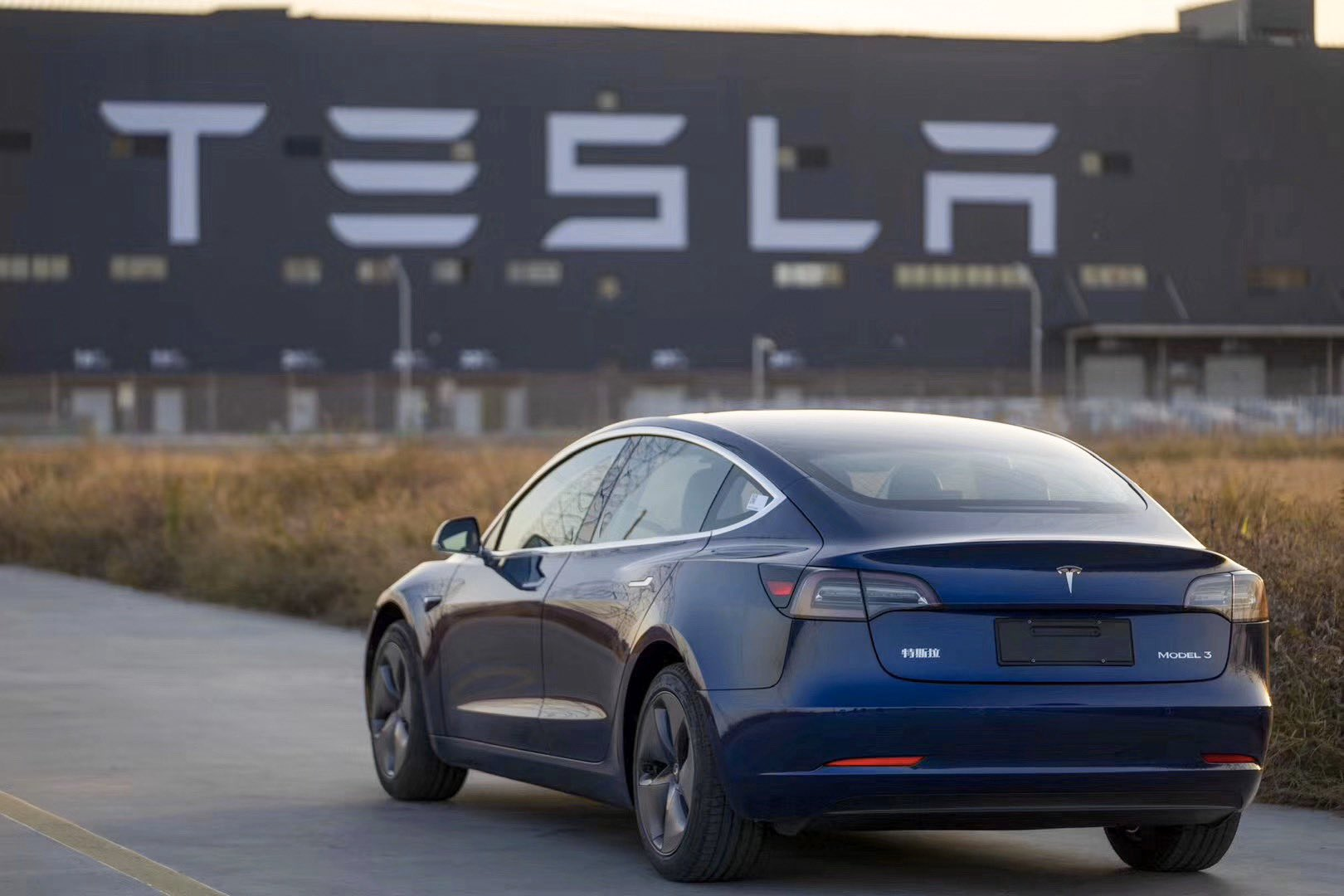
Tesla is facing a lawsuit filed by the family of a driver who died in a collision in 2023, alleging that the company’s “fraudulent misrepresentation” of its Autopilot technology was to blame for the fatal crash. The lawsuit, filed in October in Contra Costa County, California, centers around the death of Genesis Giovanni Mendoza-Martinez, who was driving a 2021 Tesla Model S when it crashed into a parked fire truck while using the Autopilot system. Mendoza’s brother, Caleb, who was a passenger at the time, was seriously injured in the incident.

The Mendoza family’s legal team argues that Tesla, along with CEO Elon Musk, has exaggerated the capabilities of the Autopilot system in order to boost excitement and financial performance for the company. The lawsuit cites multiple instances, including tweets, company blog posts, and statements from earnings calls, where Tesla has made claims about Autopilot’s safety and effectiveness.

In response, Tesla’s legal team contends that the crash was caused by the driver’s own “negligent acts” and that any representations made by the company were not a substantial factor in the incident. Tesla asserts that its vehicles and systems are designed to meet safety standards and comply with both state and federal laws.

Tesla recently succeeded in moving the case from state court to federal court in California’s Northern District. Legal experts note that fraud claims in federal court typically carry a higher burden of proof. The lawsuit adds to the growing number of legal challenges Tesla faces regarding the safety of its Autopilot and Full Self-Driving (FSD) systems. At least 15 other cases are currently active, involving Tesla incidents where either Autopilot or FSD was in use prior to a crash, some of which have been moved to federal court.

The crash has also drawn attention from the National Highway Traffic Safety Administration (NHTSA), which opened an investigation into Tesla’s Autopilot system in 2021. As part of the probe, Tesla made several updates to its systems, including over-the-air software modifications. A second NHTSA investigation is ongoing, evaluating the effectiveness of Tesla’s remedy to address Autopilot behavior around stationary emergency vehicles.

Tesla is also under scrutiny from the California Department of Motor Vehicles, which has sued the company for false advertising, alleging that Tesla’s claims about its Autopilot and FSD features mislead consumers. Despite these legal challenges, Tesla is continuing to roll out a new version of its FSD system. Elon Musk recently encouraged his millions of followers on X to “Demonstrate Tesla self-driving to a friend,” claiming the technology “feels like magic.”

Despite Musk’s ongoing promises of fully autonomous driving, competitors like Waymo (owned by Alphabet) and Chinese firms WeRide and Pony.ai are already operating commercial robotaxi services, while Tesla has yet to deliver a fully autonomous vehicle.
 

Legal Hurdles Loom Over U.S. Push for Google Chrome Sale

Key Highlights

Antitrust Proposals and Challenges

The U.S. Department of Justice (DOJ) has proposed significant measures to curb Google’s market dominance, including:

  1. Forcing the sale of Google Chrome.
  2. Requiring Google to share search data and results with competitors.
  3. Potentially divesting Android software.

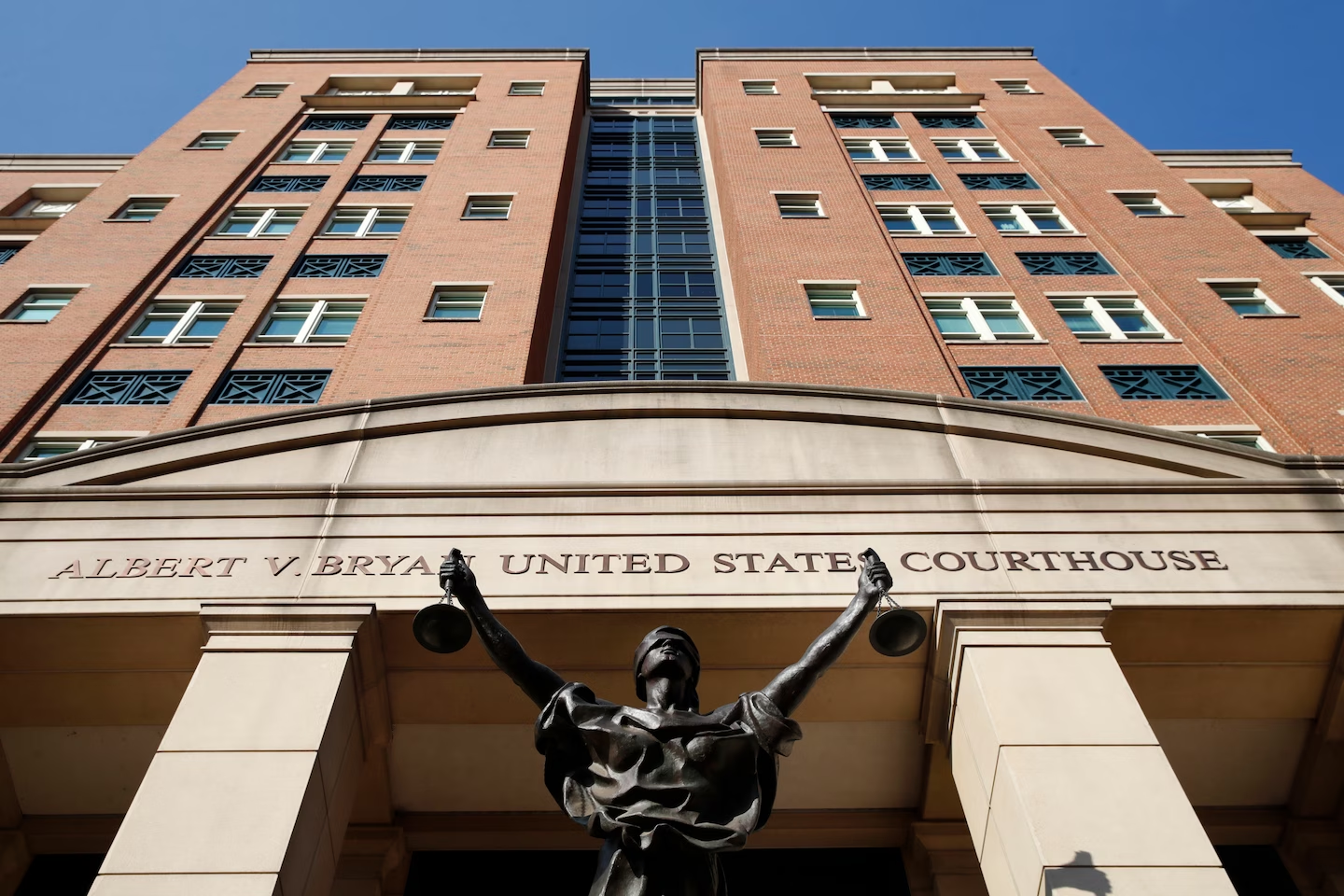
These steps follow an August ruling that found Google guilty of illegally monopolizing the search market. However, legal experts and industry analysts anticipate substantial hurdles due to the sweeping nature of the remedies and the likely legal battles that could stretch for years.

Legal Precedents and Potential Roadblocks

  • Historical Context: The DOJ previously sought to break up Microsoft over browser market monopolization in the early 2000s. That ruling was overturned on appeal, leading to a settlement instead of a breakup.
  • Proportionality Concerns: Critics argue the remedies may overreach and lack a direct causal link to the antitrust violations. Divesting Chrome, for instance, might not address Google’s search monopoly, as Chrome can run non-Google search engines.
  • Trump’s Stance: President-elect Trump’s administration may adopt a pro-business approach, potentially tempering aggressive antitrust actions to avoid weakening U.S. tech competitiveness, particularly against China.

Implications for Google

Chrome’s Strategic Value

Chrome, which commands about two-thirds of the global browser market, serves as a critical component of Google’s ad and search businesses by providing valuable user data. As a standalone entity, its value would significantly diminish.

Financial Impact

Google’s search ads, which rely on data gathered through Chrome, account for more than half of Alphabet’s quarterly revenue, which recently stood at $88.3 billion. A forced sale would disrupt this synergy and reduce overall profitability.

Criticism from Google

Google has labeled the DOJ’s proposals as unprecedented overreach, citing potential harms such as:

  • Reduced user privacy.
  • Financial challenges for smaller developers and businesses, like Mozilla, which benefits from featuring Google Search.

Wider Industry Concerns

Impact on Competitors and Partners

  • Search Licensing: Proposals for Google to license its search results at nominal costs could provide smaller competitors and news publishers with audience insights.
  • Apple Partnership: The DOJ seeks to ban Google from offering financial incentives, such as the billions paid annually to Apple to remain the default search engine. Analysts argue Apple may still choose Google as the default due to its widespread popularity.

Market Reactions

Alphabet’s stock dropped nearly 5% following the DOJ’s proposals, reflecting investor concerns about prolonged legal battles and regulatory uncertainty.


Expert Opinions

  • Kevin Walkush, Jensen Investment Management: Views the proposed Chrome divestiture as an “over-ask,” with little probability of materializing.
  • Gus Hurwitz, University of Pennsylvania Carey Law School: Argues that divesting Chrome does not directly address Google’s search monopoly, raising doubts about its legal validity.
  • Megan Gray, Former General Counsel at DuckDuckGo: Suggests Chrome’s value is intertwined with Google’s ad and search businesses, making its forced sale ineffective in resolving antitrust concerns.

Outlook and Challenges

Legal and Administrative Delays

The lengthy appeals process and potential changes in political priorities under the incoming administration could delay or dilute the enforcement of antitrust measures.

Impacts on the Tech Industry

While the proposed measures aim to reshape the digital landscape, their feasibility and effectiveness remain in question. Prolonged legal battles could create uncertainty for Google, its competitors, and the broader tech sector.

Legal Hurdles Halt SAVE Plan, Leaving Student Loan Borrowers in Limbo Amid Growing Frustration

The 8th Circuit Court of Appeals has blocked the Biden administration’s Saving on a Valuable Education (SAVE) plan, creating widespread confusion and frustration among borrowers. The preliminary injunction, issued on August 9, prevents the implementation of lower monthly payments and debt forgiveness for long-term borrowers. This legal challenge, which stems from multi-state lawsuits, has placed many borrowers in interest-free forbearance, leaving them uncertain about their financial future. The Biden administration has asked the Supreme Court to lift the injunction, arguing that it causes significant harm to millions of borrowers by preventing the Department of Education from delivering promised relief.