Yazılar

Apple’s Bezel-Less Full-Screen iPhone Launch Pushed Beyond 2026

Apple’s Bezel-Less iPhone Reportedly Delayed Beyond 2026 Due to Development Challenges

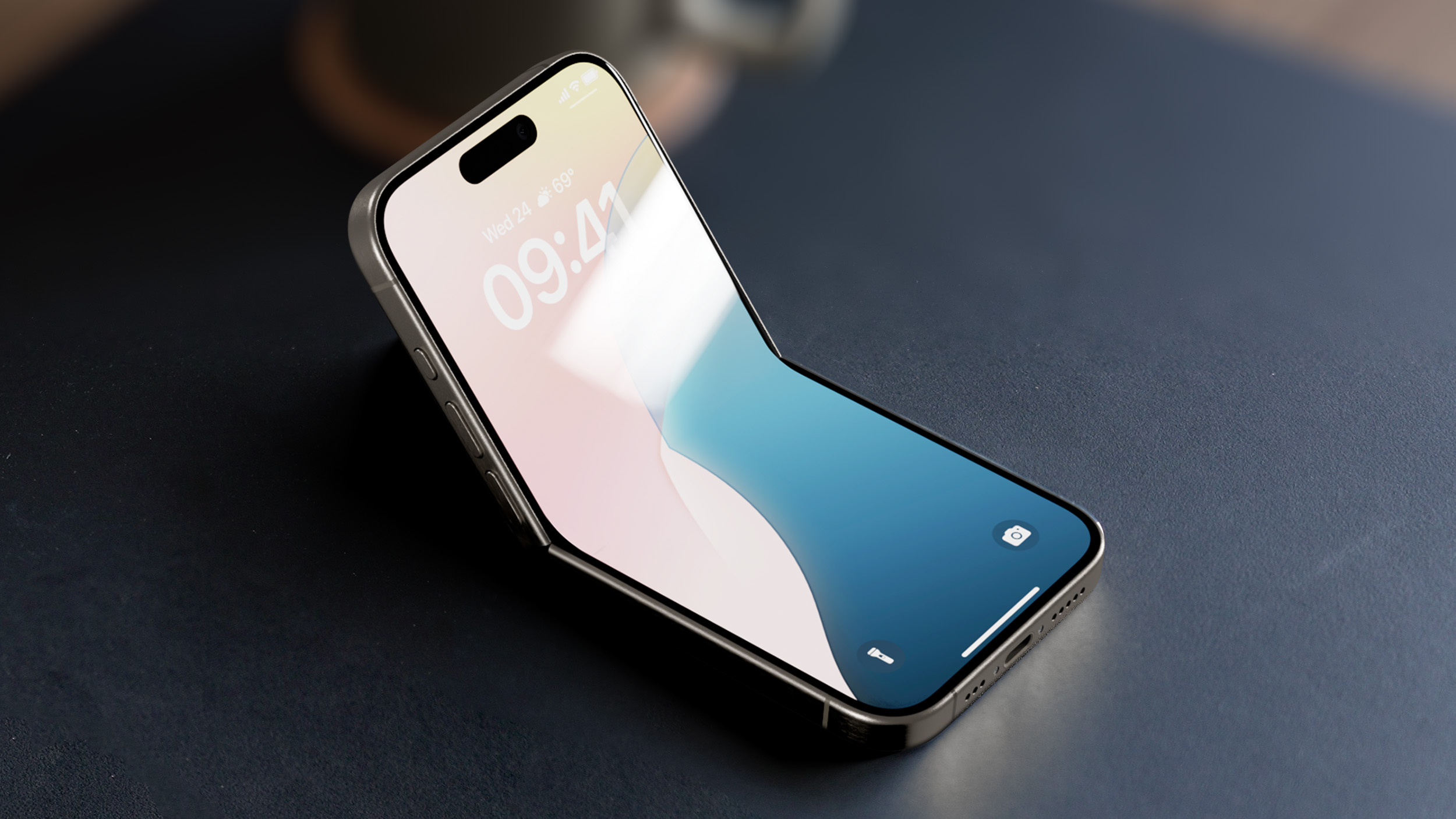
Apple is reportedly working on an innovative flagship iPhone with a completely bezel-less display, but the project is facing delays. Originally expected to launch in 2026, new reports from Korean industry sources suggest that development challenges have pushed back the timeline. While the latest iPhone 16 and iPhone 16 Pro models have already introduced slimmer bezels compared to their predecessors, achieving a truly bezel-free design presents significant technical hurdles.

According to The Elec, Apple has been collaborating with domestic panel manufacturers Samsung Display and LG Display to develop the necessary technology for a bezel-free OLED display. However, the progress has been slower than anticipated. Industry insiders suggest that the current state of thin film encapsulation (TFE) and optical clear adhesive (OCA) technology—key components required to eliminate bezels—remains insufficient for mass production.

Apple’s vision for a zero-bezel display includes maintaining its signature flat display and angular design while extending the screen to flow down the sides, similar to the Apple Watch. This requires precise manufacturing techniques to protect the OLED panels from moisture and oxygen while ensuring seamless bonding with a transparent adhesive layer. The slow development of OCA technology, in particular, has been cited as a major bottleneck in the process.

Despite these setbacks, Apple continues to push for advancements in display technology as it seeks to set a new standard in smartphone design. While the delay may frustrate enthusiasts hoping for a bezel-free iPhone sooner, the company appears focused on ensuring the technology is robust enough to meet its high-quality standards before release.

LG Introduces Stretchable Display Capable of 50% Elongation

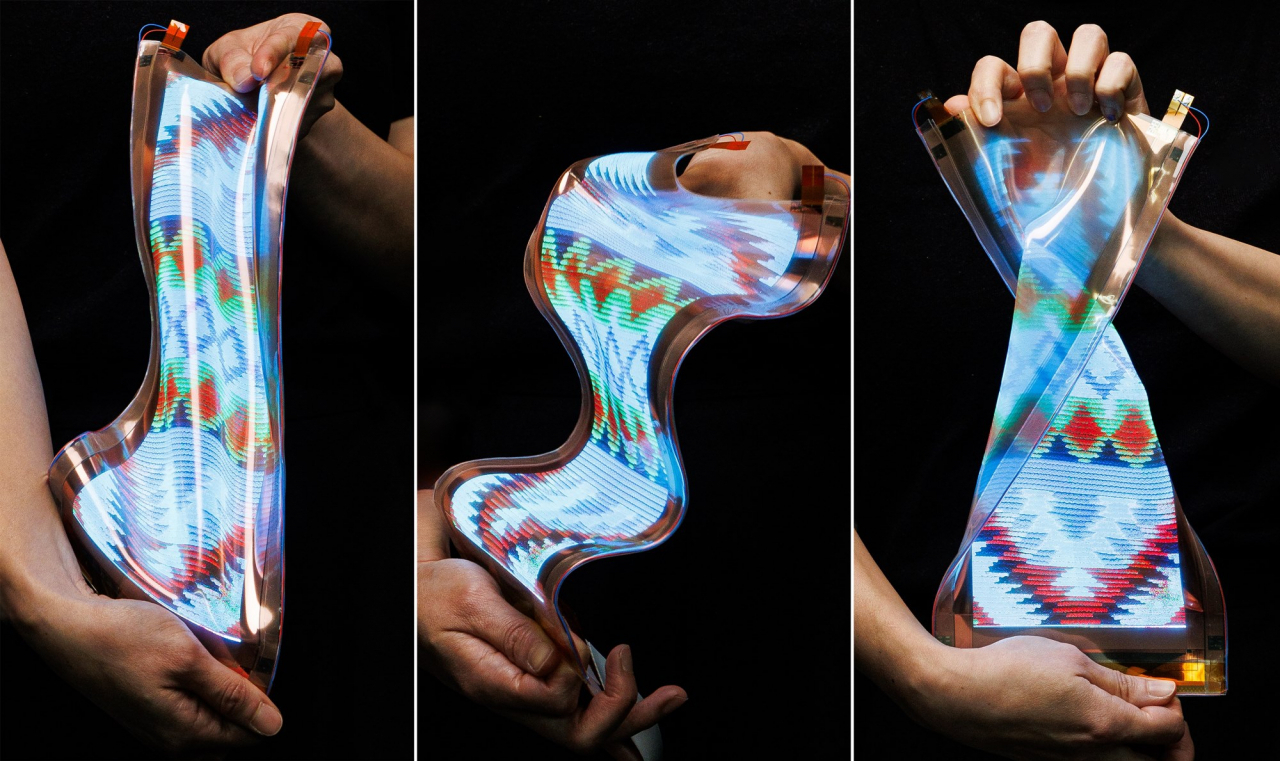
LG Display, a subsidiary of the South Korean technology giant LG, has introduced an innovative stretchable display capable of expanding by 50 percent of its original size. The company revealed the new technology last week during a presentation at LG Science Park in Seoul, attended by over 100 experts from industry, academia, and research. The stretchable display prototype showcased was a 12-inch panel that can extend up to 18 inches while maintaining high resolution and sharp image quality, marking a significant leap forward in display technology.

According to LG, the 50 percent elongation achieved by the new stretchable panel is the highest rate of elongation in the display industry to date. Despite its ability to stretch, the panel retains 100 pixels per inch (PPI) resolution and delivers the full red-blue-green (RGB) color spectrum, ensuring vibrant and clear visuals even at its maximum size. This breakthrough represents a major milestone in flexible display technology, where previously stretchable panels could only achieve modest elongation, such as the 20 percent extension demonstrated by LG’s earlier prototype in 2022.

The development of this new stretchable display was made possible by significant advancements in materials and design. LG’s engineers improved the properties of a special silicon-based substrate, similar to those used in contact lenses, to enhance the display’s flexibility and durability. Additionally, the company restructured the wiring design, enabling the panel to stretch without losing functionality or image quality. This combination of innovative materials and design is what allows the panel to achieve its impressive 50 percent elongation rate.

With this new stretchable display technology, LG is paving the way for a variety of potential applications in consumer electronics, wearables, and other industries where flexible, durable displays could offer new design possibilities. While this is still a prototype, the technology shows immense promise for future products, and LG is expected to continue refining and advancing this display innovation.

Meta and LG Join Forces: Leveraging Technology Stacks and Product Expertise for Collaborative Innovation Devamını Oku