Japan and India Startups Collaborate on Laser-Equipped Satellite for Space Debris Removal
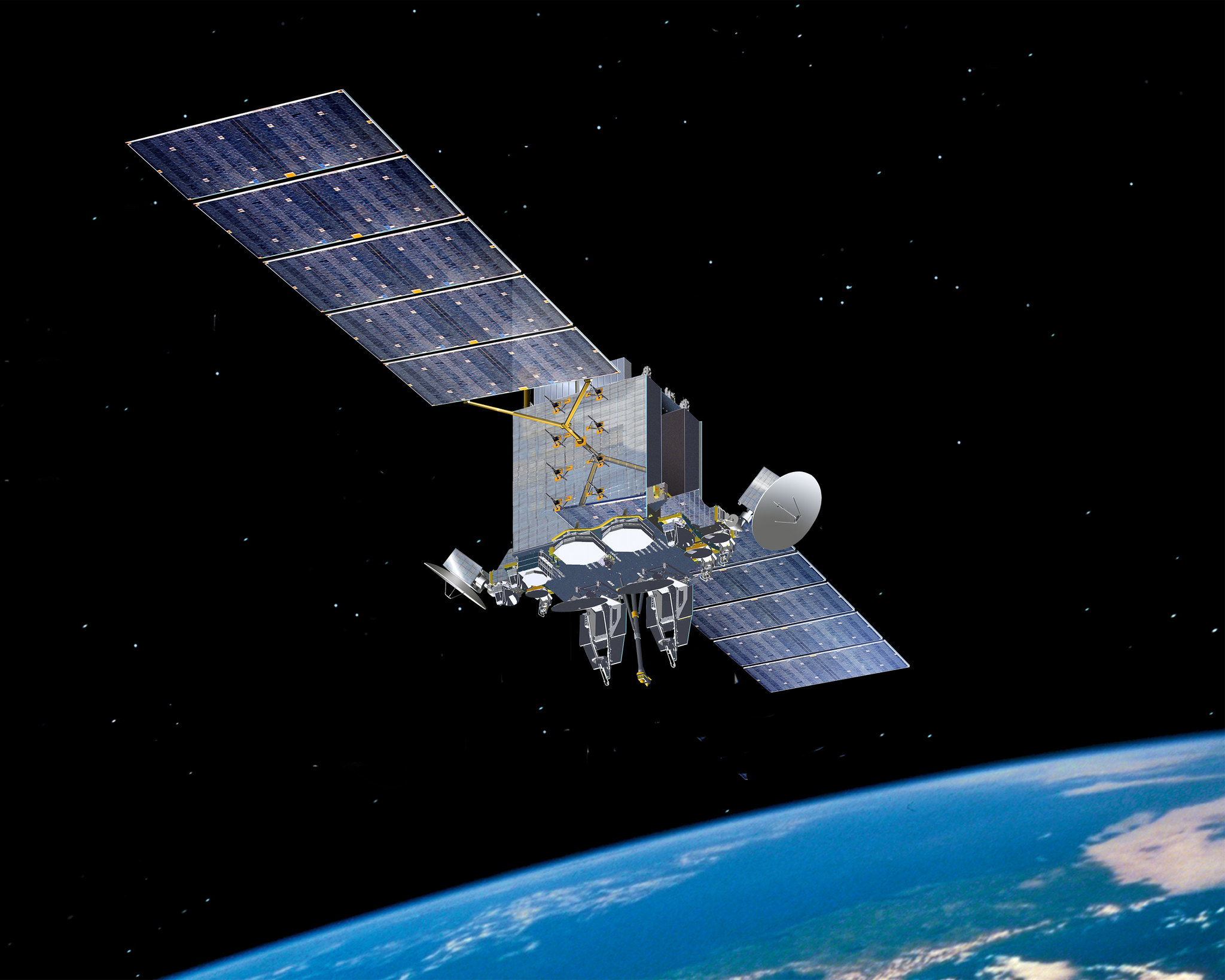
Startups from Japan and India have announced a partnership to explore the potential of using laser-equipped satellites to address the growing problem of space debris. The collaboration, revealed on Tuesday, involves Orbital Lasers, a Tokyo-based company, and InspeCity, an Indian robotics firm. Their goal is to develop innovative in-space services, including the de-orbiting of defunct satellites and extending the operational lifespan of spacecraft.
Innovative Approach to Space Debris
Orbital Lasers, spun off from the Japanese satellite company SKY Perfect JSAT earlier this year, is working on a technology that uses laser energy to neutralize space junk. The system will vaporize small sections of debris’ surfaces, causing it to stop rotating and making it easier for servicing spacecraft to capture and de-orbit it. The companies aim to test this system in space and make it available for operators after 2027, according to Aditya Baraskar, the global business lead at Orbital Lasers. If regulatory approvals are granted in both India and Japan, the laser system could be mounted on InspeCity’s satellites.
Business Potential and Strategic Collaboration
The partnership was formalized with a preliminary agreement, marking the start of a feasibility study into the commercial potential of these space debris mitigation technologies. InspeCity, founded in 2022, secured $1.5 million in funding last year, while Orbital Lasers has raised 900 million yen (approximately $5.8 million) since its inception in January.
Growing Space Traffic and the Need for Action
The initiative comes as orbital congestion becomes an urgent issue. A United Nations panel on space traffic management highlighted the growing need to track and manage objects in low Earth orbit (LEO) due to the rising number of satellites and space debris. With over 100 companies already involved in space servicing, including satellite constellations and debris mitigation, the market is rapidly expanding. Nobu Okada, CEO of Astroscale, a Japanese leader in debris mitigation, emphasized the necessity of addressing this challenge to ensure the sustainability of space activities.
Expanding India-Japan Space Collaboration
This project represents another milestone in the ongoing India-Japan space collaboration. Both countries are working together on the Lunar Polar Exploration (LUPEX) mission, with a possible launch by 2026. Additionally, Skyroot, an Indian rocket manufacturer, and HEX20, a satellite builder, are collaborating with ispace, a Japanese lunar exploration company, on a lunar orbiter mission.
Strengthening Commercial Ties
The growing commercial ties between Japan and India also reflect efforts to expand space cooperation beyond traditional areas. Masayasu Ishida, CEO of SPACETIDE, a Tokyo-based nonprofit hosting space business conferences, explained that the two countries’ collaborations, such as using Japanese satellite data for India’s disaster management and agriculture, have the potential to broaden into other sectors, including manufacturing. This is in line with India’s “Make in India” initiative, which promotes local production and manufacturing.