Yazılar

Lyft Partners with Anthropic for AI-Powered Customer Care

Lyft (LYFT.O) announced on Thursday that it has partnered with Amazon (AMZN.O) and Alphabet-backed startup Anthropic to introduce artificial intelligence tools to enhance its customer care operations. The company has already been using Anthropic’s Claude AI model, which is integrated with Amazon’s Bedrock generative AI platform. This collaboration has reportedly reduced average customer service resolution times by 87%, allowing the platform to address thousands of customer inquiries daily.

Despite concerns about AI-driven job losses, Lyft emphasized that the goal is not to replace human workers but to enhance the quality and efficiency of its customer support services. Lyft’s approach involves initially addressing customer issues with the AI assistant, directing users to human agents only if further assistance is required.

“We see AI as an opportunity to improve the quality and effectiveness of our operations, not to reduce headcount,” said Jason Vogrinec, Lyft’s executive vice president of platforms. However, industry experts have pointed out that AI models can sometimes produce incorrect or fabricated information, limiting their ability to completely replace human agents. Lyft also noted that complex issues such as safety concerns, account deactivations, and fraud will still be handled by human representatives.

Through this collaboration, Lyft and Anthropic plan to explore additional AI-driven tools for both riders and drivers. Anthropic will also provide training for Lyft’s engineers on the technology, further enhancing the platform’s AI capabilities.

Lyft is scheduled to report its quarterly earnings after market close on Tuesday.
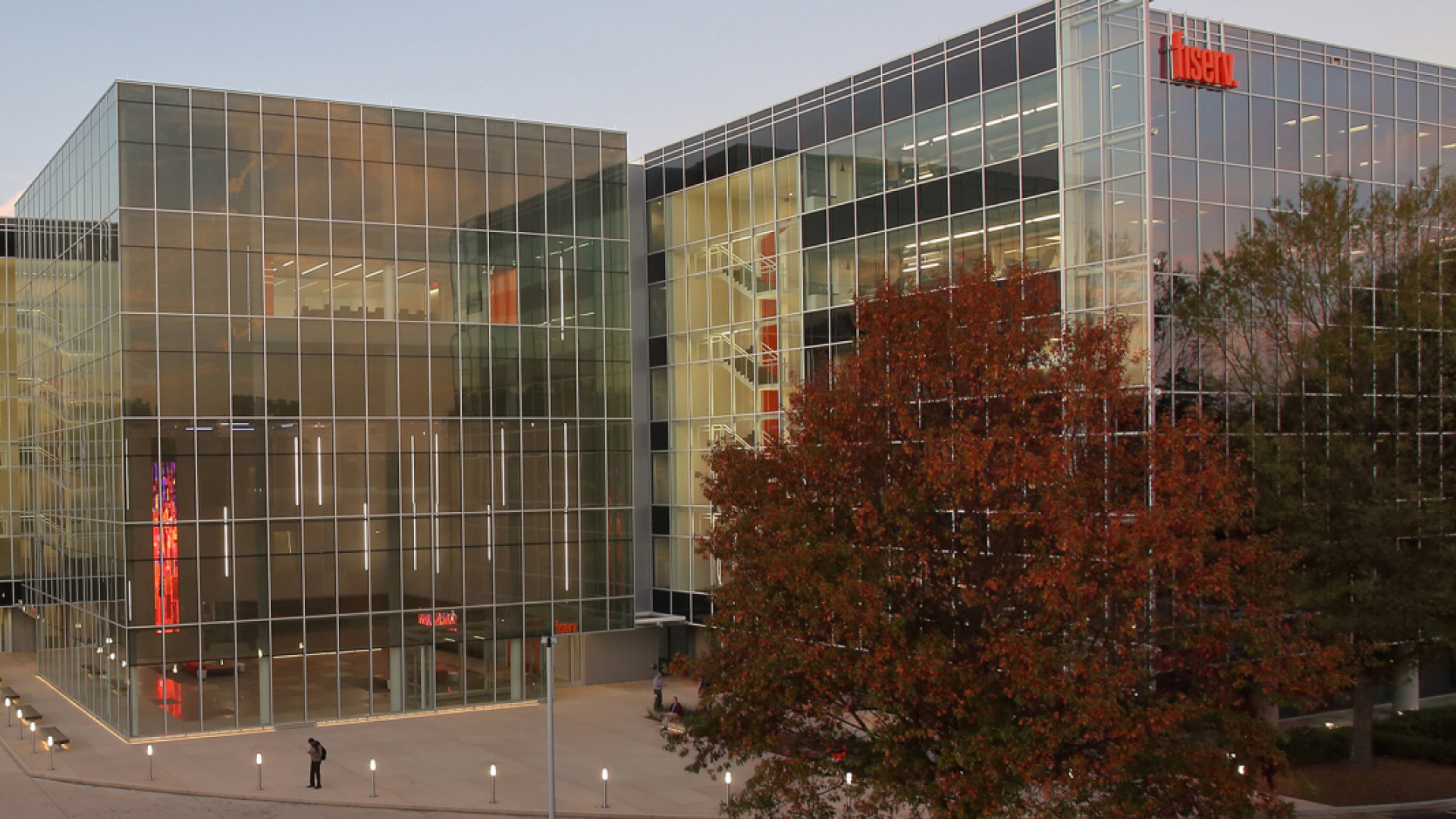
 

Fiserv Expands Gig-Economy Financing with $140 Million Acquisition of Payfare

U.S. fintech giant Fiserv (FI.N) has announced the acquisition of Canada’s Payfare (PAY.TO) in a deal valued at C$201.5 million ($140 million). This move is part of Fiserv’s strategy to broaden its payment services for gig-economy workers. The acquisition follows Payfare’s strategic review, which was triggered by the announcement that its partnership with DoorDash (DASH.O) for the DasherDirect card program would not be renewed beyond early 2025, causing a significant drop in Payfare’s stock value.

Fiserv’s offer to purchase Payfare’s shares at C$4 each represents a 90% premium over the company’s last closing price but is significantly lower than its stock price before the DoorDash news. This acquisition is expected to give Fiserv a stronger foothold in the rapidly growing gig economy, where workers often rely on digital banking platforms for urgent financial needs.

Payfare’s partnerships with major gig-economy platforms such as Uber (UBER.N) and Lyft (LYFT.O) will be a valuable asset to Fiserv as it expands its embedded finance services. The deal is expected to close in the first half of next year and may mark one of the final initiatives of Fiserv CEO Frank Bisignano, who is set to head the Social Security Administration under President-elect Donald Trump.

The growing demand for fintech services, especially for early wage access, has been highlighted by a 90% year-over-year increase in transactions processed by fintech providers. The deal aligns with Fiserv’s strategic focus on expanding its technology offerings and presence in the embedded finance space.

Payfare’s shares surged by 78% following the announcement, although they have fallen nearly 66% over the course of this year. Meanwhile, Fiserv’s stock has seen a 55% increase.

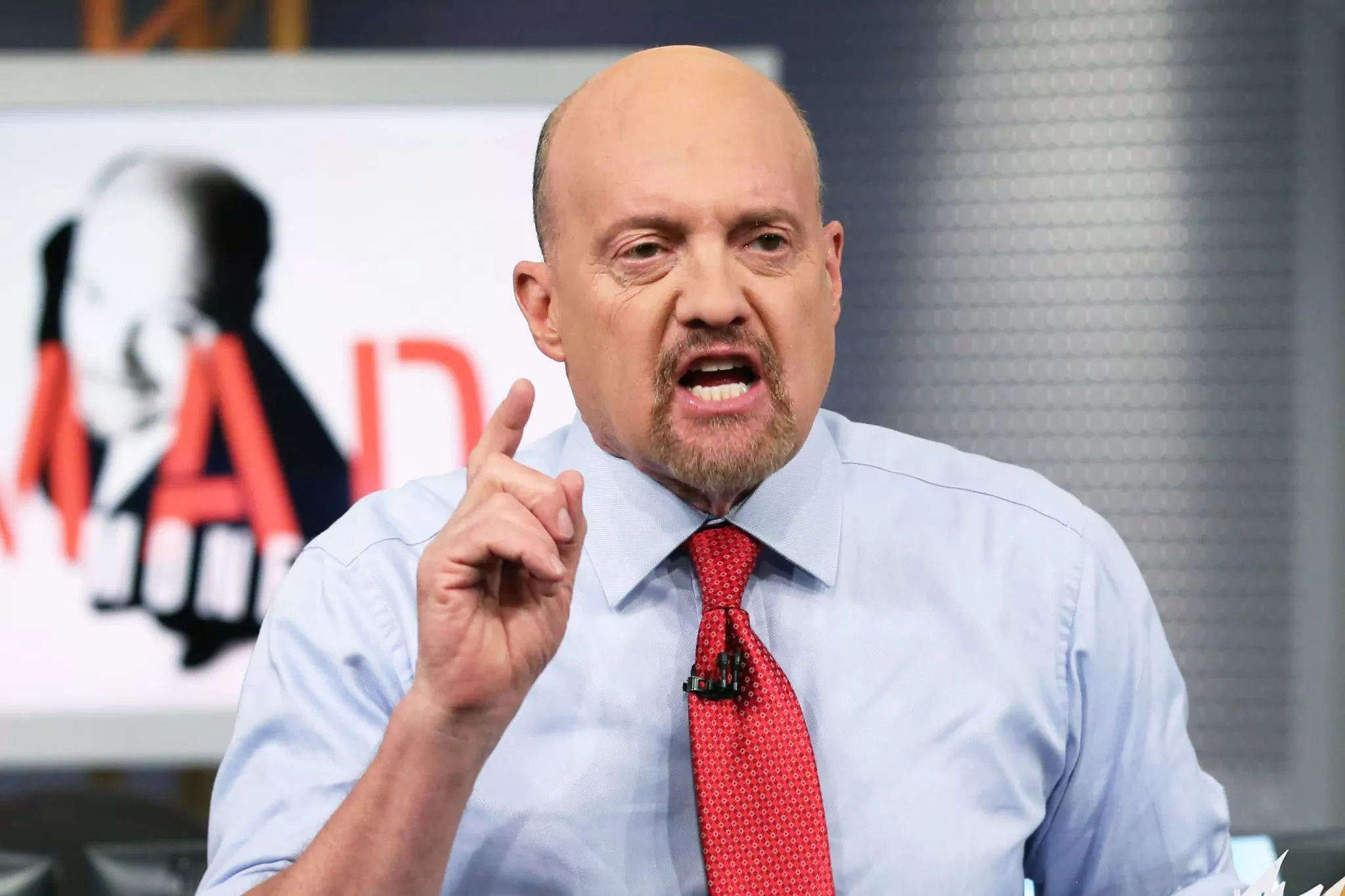
Jim Cramer Advises Caution on Tesla Stock After Cybercab Debut Flops

After Tesla’s highly-anticipated Cybercab debut underwhelmed investors, CNBC’s Jim Cramer urged caution for those holding Tesla stock. Despite the excitement surrounding the unveiling of Tesla’s new robotaxi, the event fell short of delivering crucial details, leading Cramer to recommend a neutral approach to the stock.

During his show, Mad Money, Cramer commented that while Tesla CEO Elon Musk presented a visually impressive robotaxi concept, the lack of substantive information about the vehicle’s costs and rollout timeline left much to be desired. Cramer noted that investors should “stay on the sidelines” for now, as Tesla’s future in autonomous driving is still unclear.

Disappointing Market Reaction

Tesla, which has struggled with weak financial quarters earlier this year, needed a significant win to regain momentum. Musk had teased self-driving technology as a way to differentiate Tesla from other electric vehicle (EV) makers, especially as competition from Chinese EV companies intensifies. However, the Cybercab event failed to meet market expectations, and by the close of trading on Friday, Tesla shares had dropped 8.78%.

Cramer acknowledged that while it’s tempting to short Tesla stock after such a significant market reaction, he advised against it, calling it “dangerous to bet against Elon Musk.” The uncertainty around Tesla’s autonomous driving capabilities has caused investors to question whether Tesla can make the transition from being seen purely as an EV maker to a legitimate player in the self-driving space.

Competitive Landscape

As Tesla stumbled, rideshare companies like Uber and Lyft saw their stocks rise, with Uber hitting an all-time high. The threat that Tesla’s robotaxis could pose to rideshare companies has seemingly diminished for now, as the lack of concrete details from Tesla’s event reassured investors that Cybercab won’t be disrupting the rideshare industry anytime soon.

Tesla’s challenge extends beyond the unveiling flop. Cramer emphasized that the EV market, once expected to be vast and profitable, has proven smaller than anticipated. For Tesla to successfully pivot to self-driving technology, it will need to offer more than flashy concepts and provide the kind of specific, actionable details investors and analysts crave.

In closing, Cramer reiterated his stance, advising investors to wait and see before making any moves with Tesla stock, given the uncertainty surrounding its autonomous driving ambitions.