Yazılar

France to Announce 109 Billion Euros in Private Sector Investments for AI

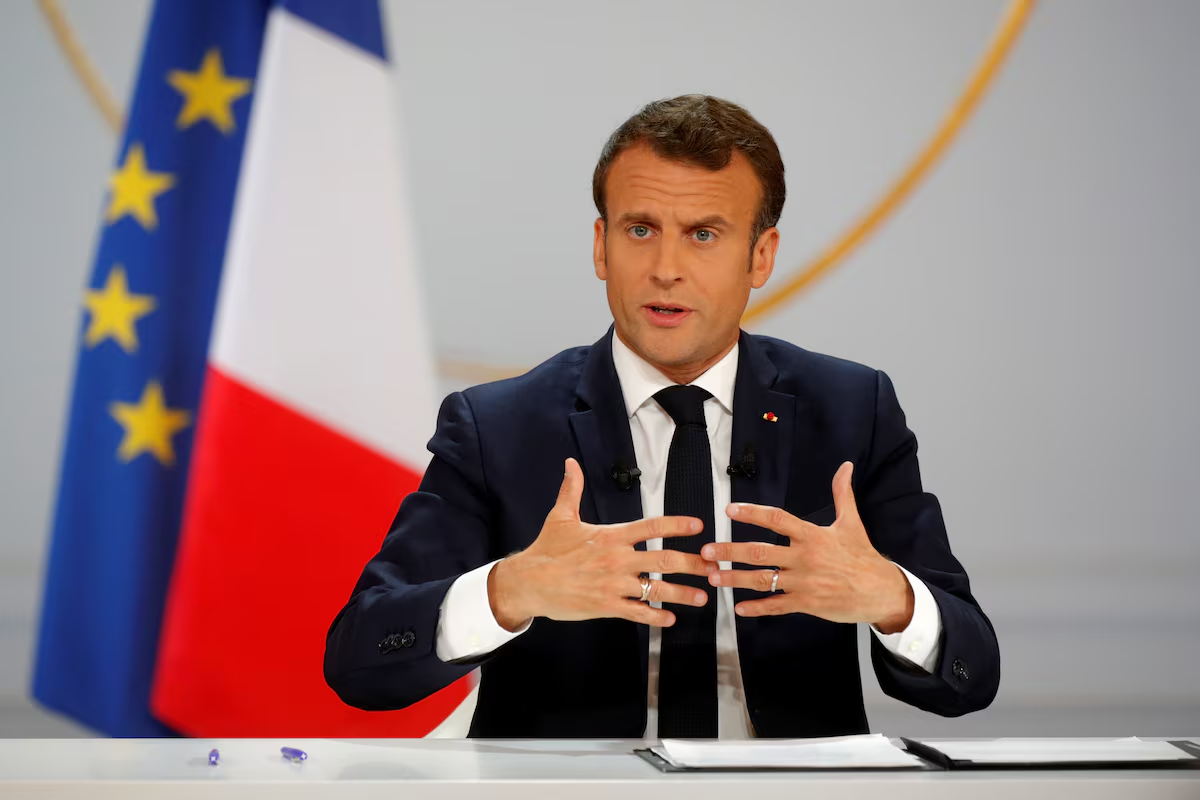
President Emmanuel Macron revealed that France will announce private sector investments totaling approximately 109 billion euros ($112.5 billion) in artificial intelligence (AI) during the Paris AI summit set to begin on Monday. This significant financing includes notable contributions from Canadian investment firm Brookfield and the United Arab Emirates (UAE).

Brookfield plans to invest 20 billion euros into AI projects in France, while UAE investments could reach up to 50 billion euros in the coming years. The Elysee Palace highlighted that the UAE’s investment will include funding for a 1 gigawatt data center, a critical component for powering AI systems. According to reports from La Tribune de Dimanche, the majority of Brookfield’s investment will also be directed towards a data center.

Given that AI requires immense amounts of energy to operate its vast data centers, Europe is anticipated to face challenges in meeting future energy demand. Macron’s announcement signals a significant push to position France as a leader in AI development and infrastructure. This move aligns with global trends, as other nations, including the U.S., are also ramping up investments in AI infrastructure to remain competitive.
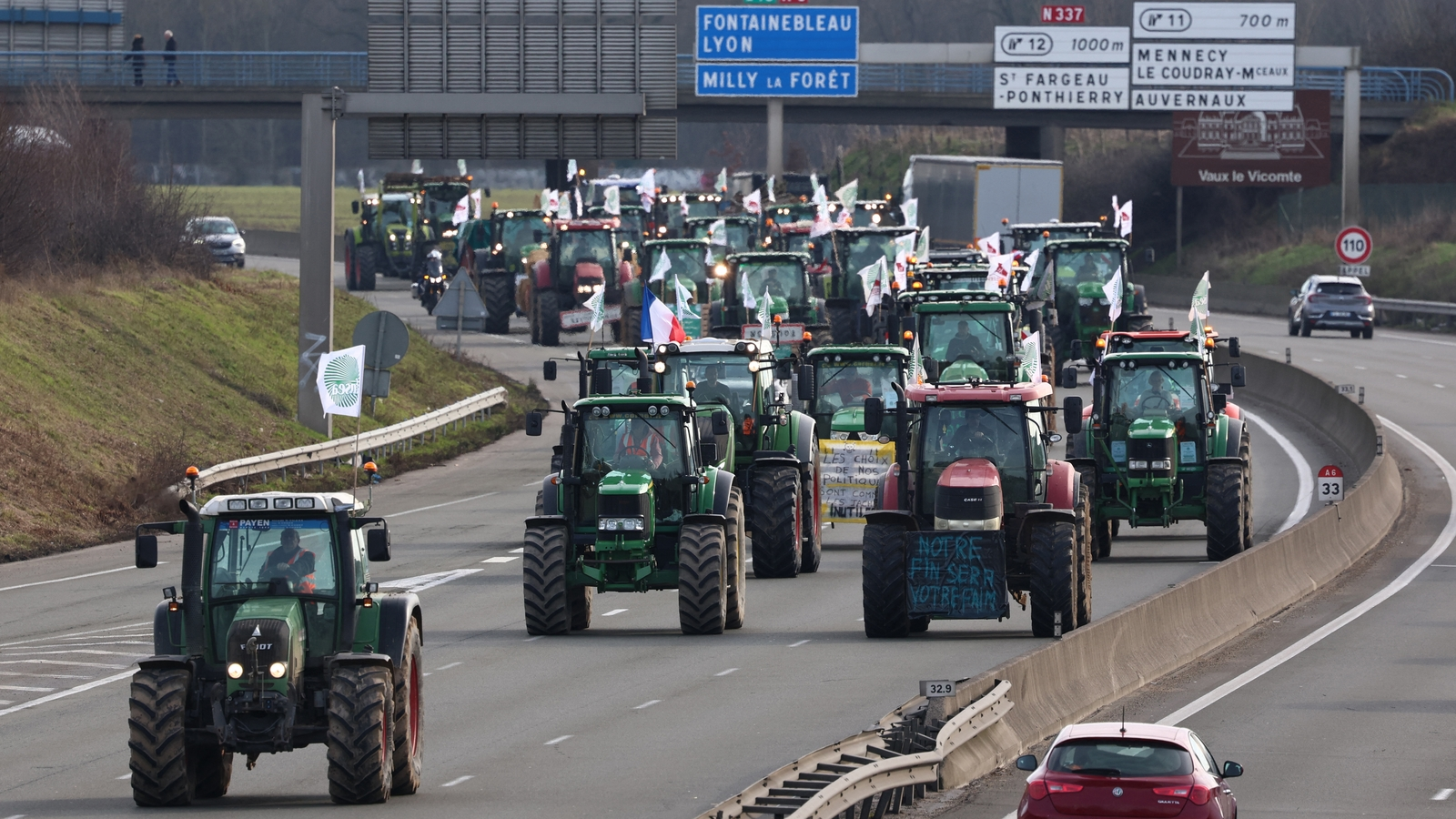
French Farmers Protest Against Mercosur Trade Deal Amid Rising Discontent

Rising Farmer Protests in France

French farmers took to the streets on Monday in response to growing discontent over the potential Mercosur trade deal between the European Union and South American countries. The deal, which is expected to be finalized by the end of the year, has reignited anger in France, particularly due to fears of increased foreign competition.

  • Continued Frustration: The protests echo the frustrations of last winter, when farmers across Europe voiced concern over a surge in imports from Ukraine following Russia’s invasion. In France, the situation has worsened due to a series of rain-hit harvests, livestock disease outbreaks, and delays in promised government actions following earlier protests.
  • Farmer’s Demands: Armelle Fraiture, a dairy farmer north of Paris, stated, “We have the same demands as in January, nothing has changed.” Farmers are demanding the government take further action to address the crisis, as they face cheaper imports, high regulations, and poor incomes.

Mercosur Deal Stokes Fears of Increased Competition

The proposed trade agreement with Mercosur, a bloc of South American nations including Brazil and Argentina, threatens to intensify competition for French farmers, particularly in the sectors of beef, chicken, sugar, and maize.

  • Concerns Over Standards: Farmers argue that the Mercosur deal will flood European markets with products that use pesticides and growth antibiotics banned in Europe. These fears are particularly strong for the livestock sector, where French farmers worry about losing market share to cheaper imports from Brazil and Argentina.
  • Rising Financial Struggles: Arnaud Rousseau, head of France’s main farmers’ union (FNSEA), highlighted the dire financial state of tens of thousands of French farms, adding that a Mercosur deal would be a “bitter ‘cherry on the cake.'”

Protests and Government Response

Farmers are planning rallies across the country, with protests scheduled to continue until mid-December. In the lead-up to the main demonstrations, a group of farmers blocked part of a highway near Paris on Sunday evening, displaying slogans such as “Let’s not import the agriculture that we don’t want.”

  • President Macron’s Opposition: President Emmanuel Macron has reiterated his opposition to the deal as it is currently proposed. However, with France struggling to find allies within the EU for its position, and with rural grievances running deep, the government may face challenges in placating the protesting farmers.

From the Far Right to Fiscal Challenges: France’s Political and Economic Crisis

France is grappling with mounting political and economic challenges, following the appointment of veteran conservative Michel Barnier as prime minister by President Emmanuel Macron. After an inconclusive snap election in July, Barnier faces daunting tasks that include addressing fiscal issues and navigating opposition from both the far-right National Rally and left-wing coalitions.

Barnier’s immediate challenge is drafting a 2025 budget and presenting a deficit reduction plan to the European Commission to avoid disciplinary measures. France’s budget deficit, currently at 5.5% of GDP and its public debt at over 110%, far exceed the EU’s limits. The country must make steep spending cuts and introduce tax increases to meet the Commission’s requirements.

However, Barnier’s government lacks strong support in France’s fractious parliament, where the far-right National Rally, led by Marine Le Pen and Jordan Bardella, holds 142 seats. The left-wing New Popular Front (NPF) coalition, which was angered by Macron’s rejection of its premiership candidate despite winning the largest vote share, holds 193 seats. The 228 deputies Barnier can count on from his own party and Macron’s centrist alliance may not be enough to pass the budget.

Analysts warn that Barnier’s political survival hinges on Le Pen’s National Rally, which could either support his government or ally with the NPF to bring it down. The far-right has become a kingmaker in this situation, positioning itself to influence government policies, particularly regarding immigration and the cost of living. Barnier’s success will depend on whether he can balance these competing forces without plunging France into further political and economic instability.