
Yazılar

Malaysia Grants Licences to WeChat and TikTok Under New Social Media Law

Malaysia’s communications regulator has granted licences to WeChat and TikTok to operate under the country’s new social media law, which aims to combat rising cybercrime. The law, which took effect on January 1, mandates that social media platforms and messaging services with more than 8 million users in Malaysia must obtain a licence, or face legal action.

The Malaysian Communications and Multimedia Commission (MCMC) announced on Wednesday that Tencent’s WeChat and ByteDance’s TikTok have been granted their licences. Messaging platform Telegram is in the final stages of the application process, while Meta Platforms, which owns Facebook, Instagram, and WhatsApp, has begun the licensing procedure.

However, some platforms have not applied for the licence. X (formerly Twitter) has not submitted an application, stating that its local user base does not exceed the 8 million threshold. The regulator is currently reviewing the validity of this claim. Additionally, Alphabet’s Google, which operates YouTube, has not applied for a licence either, citing concerns about YouTube’s video-sharing features and how they relate to the new law. The MCMC has indicated that YouTube must still comply with the licensing requirements.

The law requires platforms to adhere to guidelines to curb harmful content, including online gambling, scams, child pornography, cyberbullying, and offensive content related to race, religion, and royalty. Malaysia has seen an uptick in harmful social media content in early 2024, prompting authorities to urge platforms like Meta and TikTok to enhance their monitoring efforts.

While companies do not disclose their user numbers per country, independent data suggests WeChat has 12 million users in Malaysia, while TikTok has around 28.68 million users aged 18 and above. Facebook has 22.35 million users, YouTube has 24.1 million users, and X has 5.71 million users in the country.
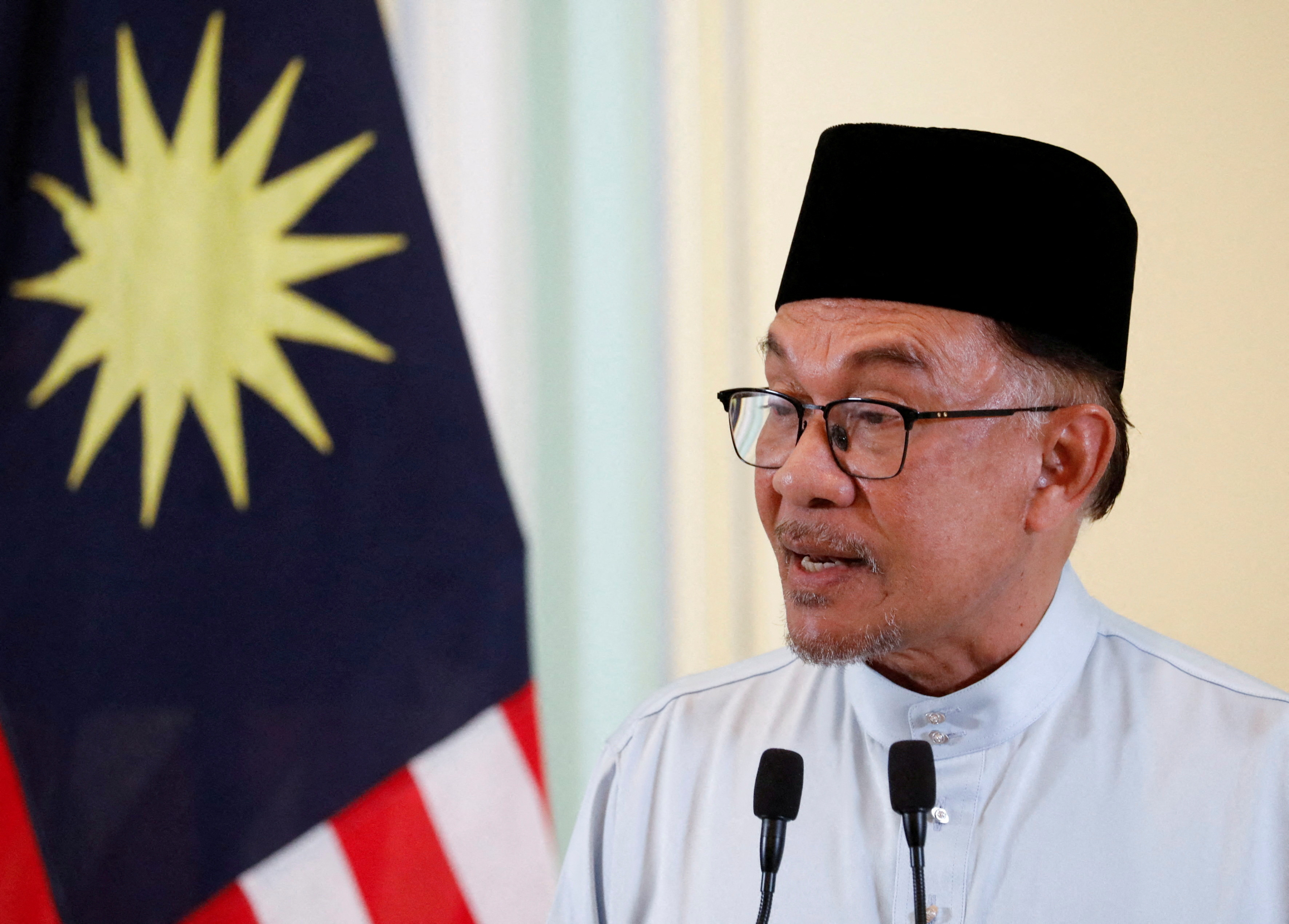
 

Malaysia’s PM Anwar Ibrahim Intensifies Anti-Corruption Efforts as Country Courts Investment

As Malaysia approaches the second anniversary of Prime Minister Anwar Ibrahim’s leadership, his battle against corruption remains at the forefront of his administration’s agenda. Anwar has been unwavering in his determination to address corruption, viewing it as a major obstacle to securing foreign direct investment (FDI) and boosting investor confidence.

“We have to save the country. To my mind, the major problem is poor governance and endemic corruption,” Anwar stated in an interview JP Ong. He emphasized that transparent processes and a strong commitment to eradicating corruption are essential for instilling confidence among both domestic and foreign investors. “Without that trust [and] confidence, nobody will invest in a big way,” he added.

While acknowledging progress in the fight against corruption, Anwar stressed that the mission is far from over. He described corruption in Malaysia as “almost systemic” and vowed to pursue his anti-corruption campaign with “full force.”

Despite ongoing efforts, Malaysia’s FDI inflows dropped to 40.4 billion Malaysian ringgit ($9.7 billion) in 2023, a decrease from 48.1 billion ringgit in 2021. Furthermore, the country lost an estimated 277 billion ringgit in economic output due to corruption between 2018 and 2023. When asked if the government was being too aggressive in its crackdown, Anwar expressed frustration: “Damn it … I would just go after them without mercy.” However, he clarified that he must balance his actions with coalition discussions to ensure a thoughtful, effective approach.

Anwar refrained from addressing specific corruption cases during the interview, but the shadow of the infamous 1Malaysia Development Berhad (1MDB) scandal, which saw former Prime Minister Najib Razak convicted of embezzlement, looms large in Malaysia’s fight for good governance.

In May 2024, Malaysia launched a new national anti-corruption strategy, aiming to elevate the country’s standing in Transparency International’s Corruption Perception Index. Currently ranked 57th, Malaysia aspires to break into the top 25 over the next decade.

While the country’s economy expanded by 5.1% in the first half of 2024, growth has slowed compared to the 8.7% surge seen in 2022. Nonetheless, Malaysia is moving forward with ambitious plans to attract investment, including the development of two special economic zones: the Johor-Singapore Special Economic Zone and the Forest City special financial zone. The latter aims to transform Iskandar Puteri into a thriving business district, offering incentives such as a zero-percent tax rate for family offices, which the government hopes will draw significant investment.