Yazılar

Apple Partners with Alibaba to Introduce AI Features for iPhones in China

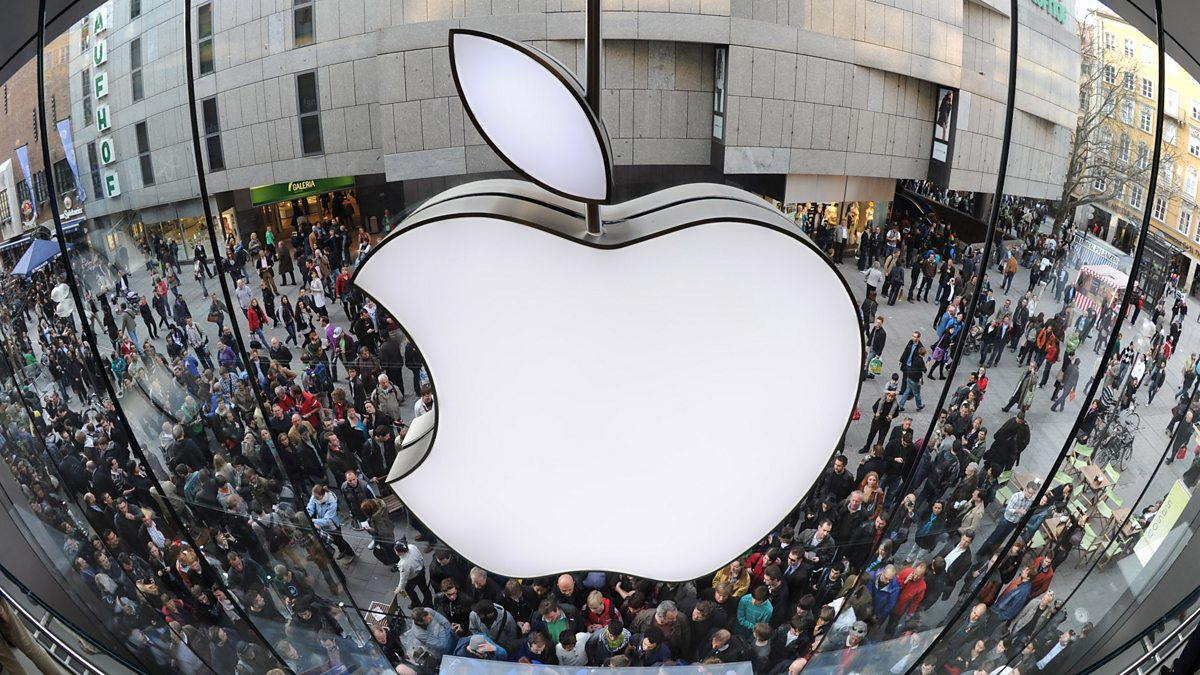
Apple has partnered with Alibaba to launch artificial intelligence features for iPhone users in China, a move aimed at addressing months of uncertainty over Apple’s AI strategy in the region, according to The Information. The collaboration could help Apple regain its competitive edge in the Chinese market, where it has been losing ground to local rivals such as Huawei, which has already incorporated AI tools into its smartphones since last year.

Apple’s stock rose by 1.5% following the news, while Alibaba’s U.S.-listed shares saw a 2.6% gain. Apple had initially chosen Baidu as its AI partner, but the Chinese company’s progress in developing models for Apple Intelligence did not meet Apple’s standards. As a result, Apple considered various other AI models from Tencent, ByteDance, Alibaba, and Deepseek but ultimately chose Alibaba for its ability to leverage vast amounts of user data related to shopping and payment habits, which could enhance model training and enable more personalized services.

The Chinese AI features co-developed by Apple and Alibaba are now under review by China’s cyberspace regulator for approval. This development is crucial as Apple’s iPhone sales declined during the holiday quarter, typically its best-performing period, largely due to the absence of AI features in its latest devices. Apple remains optimistic, forecasting strong sales growth for the current quarter.

Juniper Networks Denies Allegations in DOJ Lawsuit to Block $14 Billion Merger with HPE

Juniper Networks has formally denied the U.S. Department of Justice’s (DOJ) allegations regarding the $14 billion acquisition of the company by Hewlett Packard Enterprise (HPE). In a recent court filing, Juniper stated that the DOJ’s complaint, which seeks to block the all-cash takeover, misrepresents the competitive landscape for wireless network solutions.

DOJ’s Allegations:

The DOJ filed a lawsuit last month, arguing that the merger would lead to reduced competition in the networking equipment market, resulting in Cisco Systems (CSCO.O) and HPE controlling over 70% of the U.S. market. The department claims this dominance could harm consumers and stifle innovation in the industry.

Juniper’s Defense:

In its filing to a federal court in California, Juniper Networks disagreed with the DOJ’s assessment. The company argued that there are at least eight other competitors in the U.S. market offering wireless networking solutions, reducing the potential for anti-competitive behavior. Juniper further stated that Cisco has maintained more than 50% of the market share for over a decade, while the combined share of HPE and Juniper has been less than 25% in the last three years, not approaching a level that would trigger antitrust concerns.

Market Impact:

Juniper contended that the merger would enhance competition, particularly in challenging Cisco’s market dominance. The company emphasized that the combination of HPE and Juniper would not create a monopoly but rather foster greater competition in the sector.

Legal and Political Context:

This lawsuit marks the DOJ’s first significant antitrust action since President Donald Trump’s second term in office. The case is closely watched as it could set a precedent for future mergers and acquisitions in the tech industry.

Apple, Samsung Smartphone Shipments Decline Amid Rising Chinese Competition: IDC Report

Global smartphone shipments for Apple and Samsung declined in the fourth quarter of 2024 as Chinese manufacturers, including Xiaomi, Oppo, and Honor, intensified competition, according to preliminary data from the International Data Corporation (IDC).

The global smartphone market has rebounded after two years of decline, driven by the aggressive expansion of Chinese brands into low-end devices and their dominant focus on the domestic market. Chinese companies shipped 56% of global smartphones in the fourth quarter, marking their highest combined volume ever in a single quarter.

Apple and Samsung See Shipment Declines

Apple’s shipments fell by 4.1% to 76.9 million units, while Samsung’s declined by 2.7% to 51.7 million units during the same period. Despite the downturn, Apple maintained its position as the top global smartphone brand for 2024 with an 18.7% market share, followed closely by Samsung at 18%.

Meanwhile, Xiaomi, which held 13.6% of the market, showed the fastest growth among the top five smartphone brands, with a 15.4% increase in shipments. In contrast, Apple’s total shipments for the year dropped by 0.9%, and Samsung’s fell by 1.4%.

Chinese Manufacturers Drive Market Growth

Chinese smartphone makers leveraged their competitive edge in low-end and mid-range devices to expand their market presence, particularly in Europe and Africa. Their focus on affordability and value for money has resonated with consumers, allowing them to achieve record-high shipments in the fourth quarter.

Nabila Popal, senior research director for worldwide client devices at IDC, expressed optimism for continued growth in 2025. However, she also highlighted industry uncertainties due to the possibility of new tariffs from the incoming U.S. administration.

Foldable Smartphone Market Struggles

Despite growth in several regions, demand for foldable smartphones has been underwhelming. IDC research director Anthony Scarsella noted that even with heavy promotions and marketing, consumer interest in foldables has remained flat. As a result, smartphone makers are reallocating research and development budgets away from foldable devices.

The evolving landscape of the global smartphone market underscores the increasing influence of Chinese brands and the shifting consumer demand for innovative yet cost-effective options.