Yazılar

Mars May Harbor Hidden Methane Deposits Beneath Its Crust, Potentially Supporting Alien Life

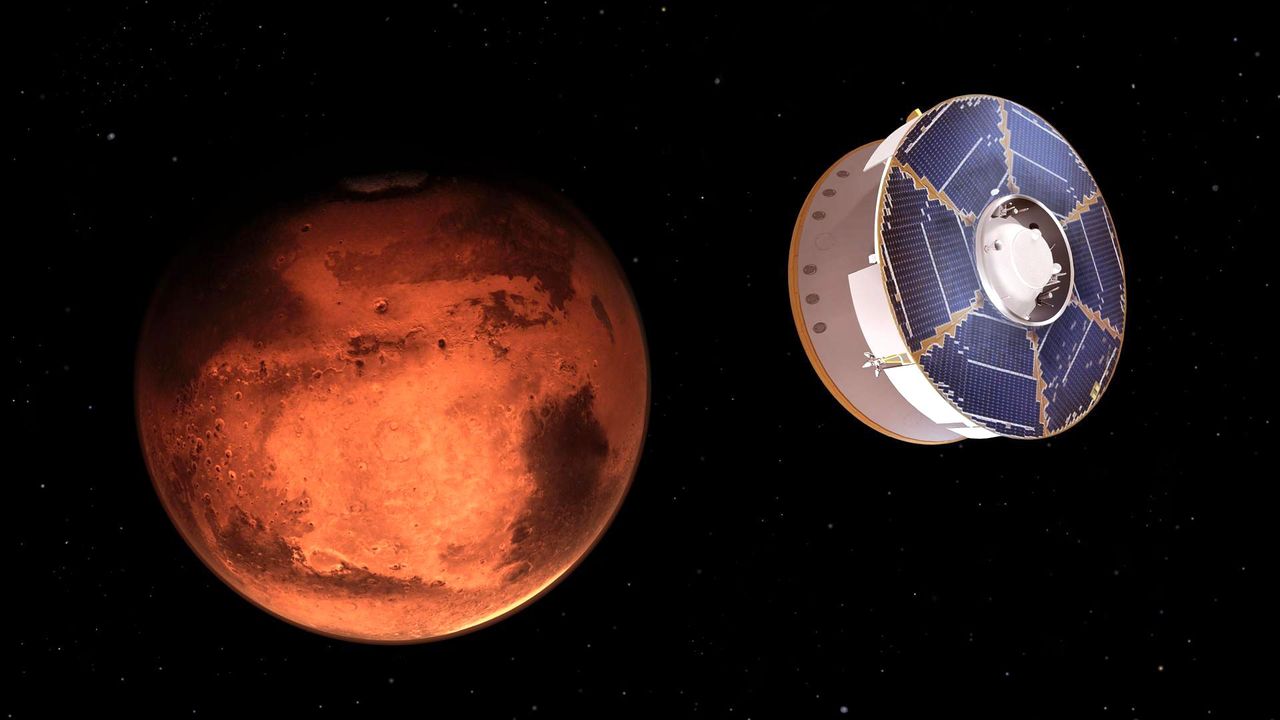
Scientists have identified potential habitats on Mars where life may exist, particularly in deep underground regions where methane has been detected. Over the years, seasonal variations in methane levels observed by rovers on the Martian surface have raised significant interest. These findings have led researchers to explore the possibility that Mars could host microbial life, despite its harsh environmental conditions. With subzero temperatures, a thin atmosphere, and high levels of cosmic radiation, the surface of Mars is far from hospitable. However, underground areas may offer a more stable and protective environment for certain forms of life.

A recent study published in the journal Astrobiology examined Earth environments that resemble conditions on Mars to better understand the potential for life on the Red Planet. Researchers focused on places where methanogens, microbes that produce methane as a byproduct, are known to thrive. These microorganisms are capable of surviving in extreme environments, much like those believed to exist on Mars.

One such Earth analog is microscopic fractures found deep within bedrock, where methanogens can survive by metabolizing minerals. Similarly, subglacial freshwater lakes and highly saline deep-sea basins have been identified as habitats where methanogens flourish. These environments are characterized by their isolation from the surface, extreme pressure, and the presence of minerals that could support microbial life, similar to what may be found beneath Mars’ surface.

The existence of methane-producing microbes in these Earth environments suggests that life forms capable of surviving in Mars’ subsurface could also be possible. If methane is indeed being produced underground on Mars, it could indicate active microbial processes, offering a compelling reason to explore these regions further. The potential for life beneath Mars’ crust continues to intrigue scientists, and future missions to the planet may focus on these hidden, methane-rich areas to unlock the mysteries of Martian life.
SpaceX Secures FAA Launch License for Starship Flight 7, Paving the Way for 2025 Test

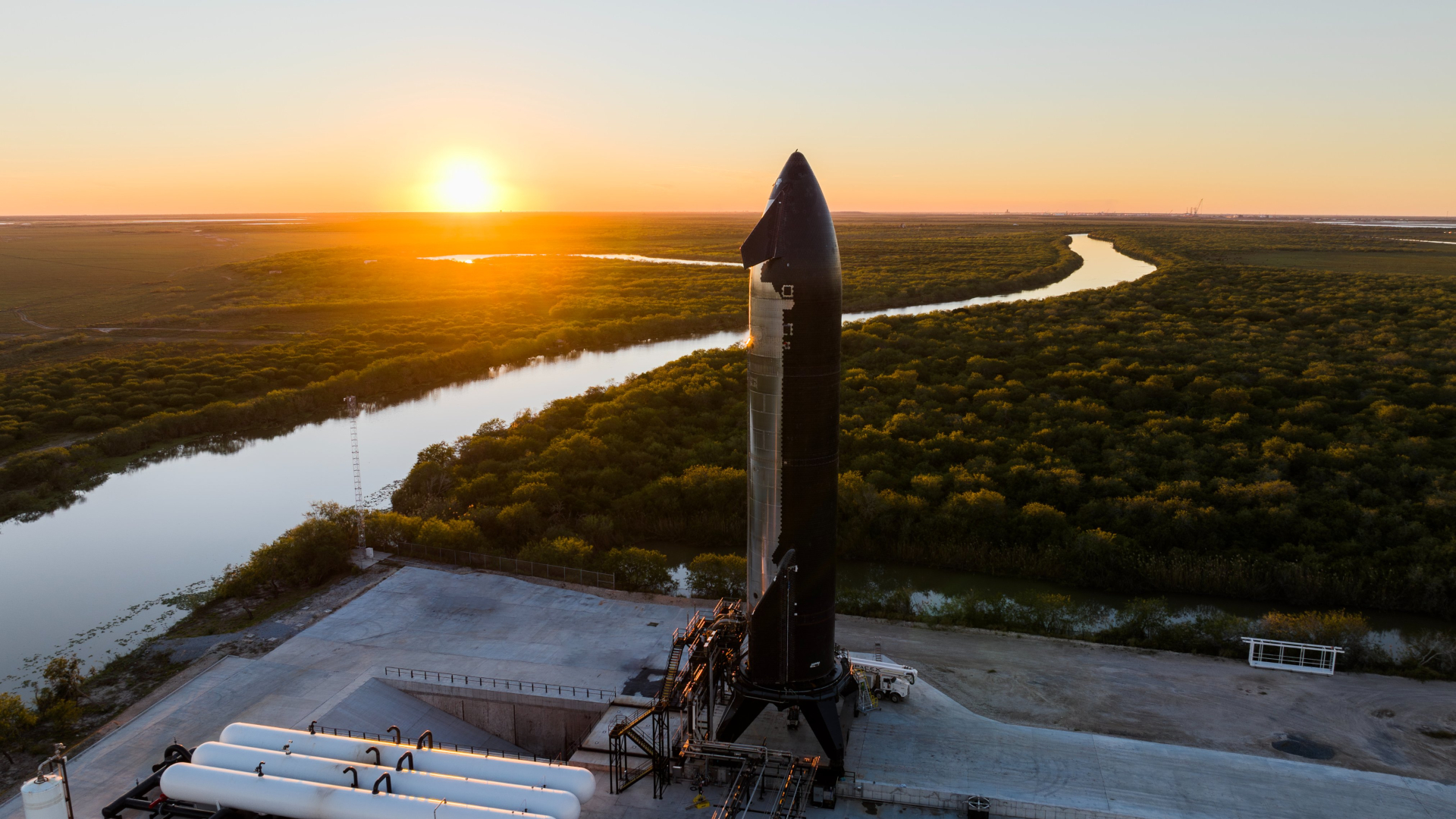
The Federal Aviation Administration (FAA) has officially granted SpaceX the launch license required for the Starship Flight 7 test, marking a crucial milestone for the development of the world’s most powerful rocket. Announced on December 17, this approval permits SpaceX to advance preparations at its Starbase facility in Boca Chica, Texas. The license follows an exhaustive series of engine tests on both the Starship spacecraft and its Super Heavy booster to validate their readiness for launch. Although SpaceX has not specified an exact date, industry insiders speculate that the test could take place in early to mid-January 2025.

Rigorous Preparations in Progress

Flight 7 will follow a trajectory similar to earlier tests, involving the launch of the fully stacked Starship and Super Heavy rocket, an attempted booster catch at the launch tower, and a controlled ocean landing of the Starship in the Indian Ocean near Australia. According to the FAA, stringent safety protocols are being enforced, with SpaceX working closely with regulatory bodies to ensure full compliance with operational standards. These measures underscore the agency’s commitment to balancing innovation with public and environmental safety.

Testing Critical Systems

The primary objectives of Flight 7 include demonstrating booster recovery and validating Starship’s capability to perform safe ocean landings. A prior test in November showcased a successful Starship splashdown in the Indian Ocean but encountered issues with the booster recovery system due to sensor malfunctions. Flight 7 seeks to refine and retest these systems, incorporating adjustments derived from previous data to enhance reliability and performance.

Significance for the Starship Program

As SpaceX prepares for this next milestone, the Flight 7 test represents a pivotal step in the Starship program’s long-term goals. These include supporting lunar missions for NASA’s Artemis program and enabling human exploration of Mars. The FAA’s licensing decision, combined with SpaceX’s engineering refinements, brings the company closer to achieving these ambitious objectives, making the Starship project a cornerstone of future space exploration.

NASA’s Viking Mission Could Have Eradicated Martian Life During Water Experiments

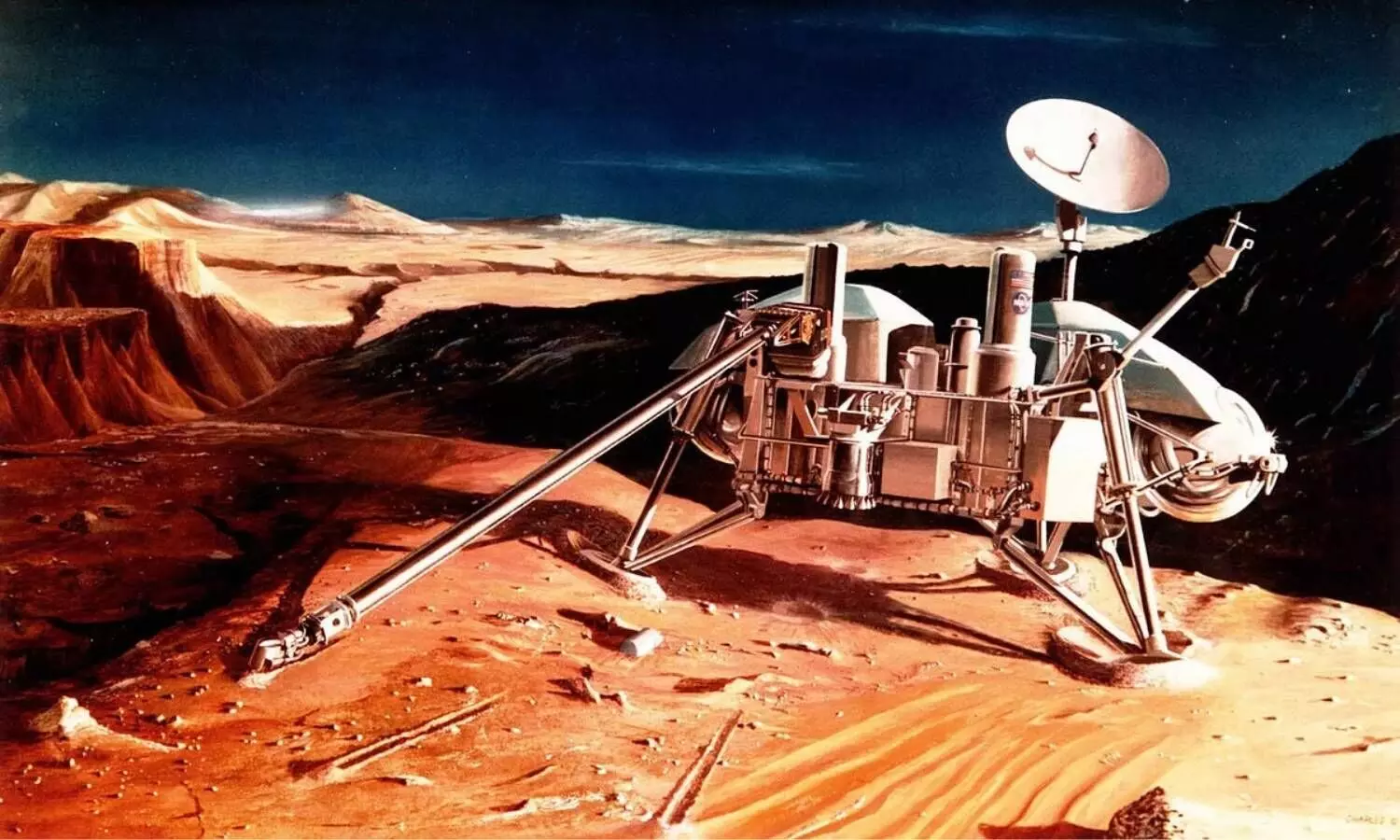
In 1975, NASA’s Viking program made a groundbreaking achievement when its twin landers successfully touched down on Mars, marking the first American spacecraft to reach the Martian surface. These missions were pivotal in the search for life beyond Earth, as the landers conducted a series of experiments aimed at detecting microbial life on the Red Planet. Over six years, the Viking landers analyzed Martian soil samples, attempting to uncover any signs of life. However, a new and controversial theory suggests that the very experiments designed to detect life may have inadvertently destroyed any potential Martian microbes.

Dirk Schulze-Makuch, an astrobiologist from Technische Universität Berlin, has raised concerns about the methods used during the Viking missions. In a recent commentary in Nature Astronomy, he proposed that the addition of liquid water to Martian soil samples may have been too disruptive for any microbes that might have existed. Mars is known for its extreme dryness, more arid than Earth’s Atacama Desert, and it is hypothesized that any potential life forms on the planet would be specially adapted to extract moisture from salts in the atmosphere. Introducing liquid water, Schulze-Makuch suggests, could have overwhelmed these microbes, leading to their destruction rather than detection.

The Viking program’s assumption that Martian life would require liquid water, similar to life on Earth, may have been a key flaw in its approach. The experiments involved adding water and nutrients to Martian soil and monitoring any metabolic reactions, hoping to find evidence of living organisms. While some initial signs of microbial activity were detected, these results were later dismissed as inconclusive. Schulze-Makuch argues that these reactions could have been evidence of life forms adapted to Mars’ extremely dry environment, but the addition of liquid water may have killed them before they could be properly studied.

To avoid repeating this mistake in future missions, Schulze-Makuch advocates for a different approach to life detection on Mars. Instead of focusing on the presence of liquid water, he proposes a “follow the salts” strategy. This would involve searching for organisms that might thrive in environments where moisture is absorbed from salt compounds, potentially offering a more accurate method of detecting life in Mars’ harsh conditions. By rethinking how we search for life, we may be better prepared to recognize the signs of Martian organisms that have adapted to survive in a radically different environment from Earth.