Yazılar

European Retailers Urge Crackdown on Visa and Mastercard Fees

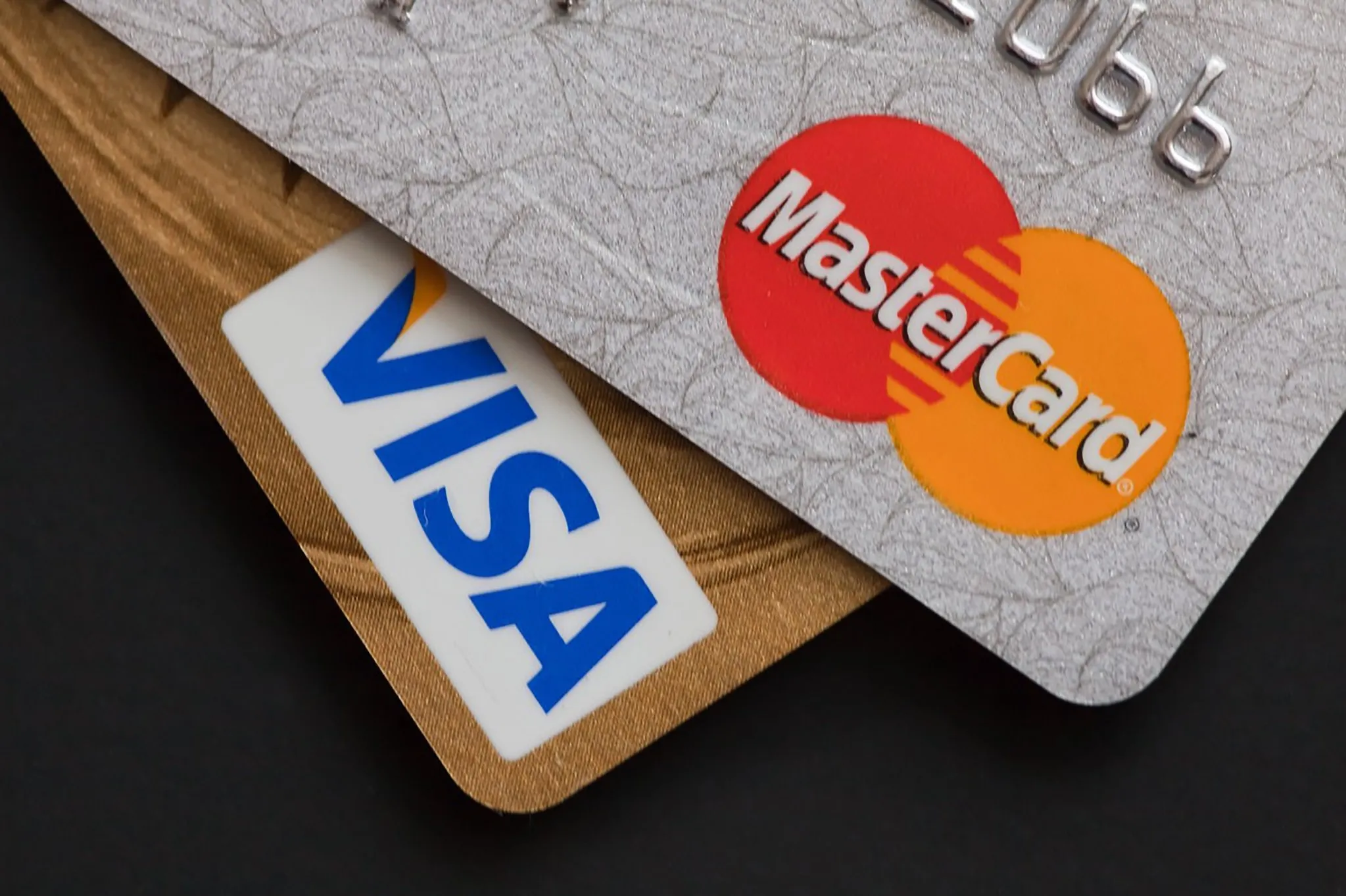
Leading European retailers and e-commerce platforms have appealed to the European Commission to address what they describe as excessive and opaque fees imposed by Visa and Mastercard, alleging the charges undermine the EU’s competitiveness and hurt alternative payment systems.

In a letter dated May 13 and seen by Reuters, major industry groups such as EuroCommerce, Ecommerce Europe, and the European Digital Payments Industry Alliance — whose members include Aldi, Amazon, Carrefour, eBay, H&M, Ikea, and Marks & Spencer — asked EU regulators to intervene under antitrust rules. They claim Visa and Mastercard have increased their fees by nearly 34% between 2018 and 2022, with no corresponding improvements in service quality for merchants or consumers.

The retailers argue that the U.S. card giants dominate two-thirds of eurozone card payments and have created a complex, non-transparent fee system that hinders scrutiny or competition. The growing frustration over these practices has also revived interest in EU-backed alternatives like the digital euro, although progress on such initiatives remains slow.

Visa responded by defending its fee structure, saying it reflects high-value services such as fraud protection, operational reliability, and customer support. Mastercard did not issue a comment on the matter.

The letter was addressed to key EU officials, including antitrust chief Teresa Ribera, financial services commissioner Maria Luís Albuquerque, and economy chief Valdis Dombrovskis. The signatories are calling for:

  • Regulatory action under EU antitrust laws,

  • Revised interchange fee rules with price caps,

  • Mandatory transparency and non-discrimination rules for card schemes, and

  • A monitoring tool for regulators to oversee card network practices.

This latest appeal intensifies pressure on Brussels to tackle U.S. dominance in the EU payments sector and promote more equitable digital financial infrastructure across the continent.

Nordic Countries and Estonia Develop Offline Card Payment Systems Amid Sabotage Fears

Finland, Sweden, Norway, Denmark, and Estonia are jointly developing offline card payment systems to ensure financial continuity in the event of internet disruptions, including potential sabotage of undersea infrastructure, Bank of Finland board member Tuomas Valimaki told Reuters on Wednesday.

The move follows increasing geopolitical tensions, notably Russia’s invasion of Ukraine, and a series of unexplained incidents damaging critical infrastructure in the Baltic Sea region. Western intelligence agencies have blamed Russia for acts of sabotage, which Moscow denies.

The likelihood of major disruptions has increased,” said Valimaki. “Payments are a potential target because of their critical role in everyday life.”

With 90% of Finns relying on card payments, the region is especially vulnerable to disruptions in international data linksmany of which are reliant on U.S. infrastructure like Visa and Mastercard.

What Offline Payments Could Look Like:

Offline payments would allow card terminals to store encrypted transaction data, which could then be processed once connections are restored.

  • Sweden aims to launch its system by July 1, 2026, allowing purchases of essential goods during disruptions lasting up to seven days.

  • Norway and Denmark have already deployed initial offline systems.

  • Estonia is also developing a solution, though its central bank has not provided public details.

The Nordic region’s urgency has been heightened by events such as the Nordea DDoS attacks in 2023, which left customers without access to online banking for weeks.

Valimaki also warned of the dominance of U.S. payment networks, suggesting that even services like Apple Pay and Google Pay rely on the Visa-Mastercard infrastructure, and are therefore subject to geopolitical pressure.

We cannot rule out that one night someone on Truth Social comes up with using payments as a pressure tactic,” he said, referencing the platform where U.S. President Donald Trump frequently shares his policy views.

To enhance payment sovereignty, Finland is planning to:

  • Launch a national instant payment system within a few years.

  • Enable offline card payments for consumers as early as 2025.

  • Introduce national reserve bank accounts, ensuring Finns can access their funds even if commercial banks go offline.

Meanwhile, the European Central Bank’s proposed digital euro may one day offer pan-European instant payments, but Valimaki cautioned that full implementation is still years away, even with political support.

At a separate event in Helsinki, NATO’s Christian-Marc Lilflander called for finance ministers to play a larger role in national security discussions, especially around financial infrastructure resilience.

Europol Urges Financial Sector to Prepare for Quantum Computing Risks

Europol’s Quantum Safe Financial Forum has called on Europe’s financial industry to start preparing for the potential risks posed by quantum computers, which could break commonly used encryption methods within the next 10 to 15 years. The group, which focuses on safeguarding sensitive financial data, issued a warning on Friday about the risks quantum computing poses to customer confidentiality, peer communications, authentication processes, and trust in digital signatures.

Although quantum computers capable of such threats may still be a decade or more away, the timeline could accelerate, the forum warned. Despite the emerging risks, the forum believes new regulations are unnecessary, as current European Union data protection laws are sufficient.

The Quantum Safe Financial Forum includes representatives from the U.S., European, and British central banks, along with major financial institutions such as Allianz, Santander, Barclays, BNP Paribas, Mastercard, Moody’s, and European banking associations.

Quantum computers operate by leveraging subatomic particles to perform calculations more efficiently than traditional binary computing systems. Given their potential to decrypt today’s secure communications, the forum recommended that financial institutions begin identifying which cryptographic standards are vulnerable to quantum computing and start drafting operational plans to mitigate future risks.

The forum also cautioned that criminals may already be storing sensitive encrypted data with the intention of decrypting it once quantum computing becomes more powerful.

The U.S. government has already set a 2035 deadline for federal agencies to become “quantum resistant,” underscoring the urgency for global financial institutions to follow suit.