Yazılar

LVMH Media Unit Drops Lawsuit Against Musk-Owned X

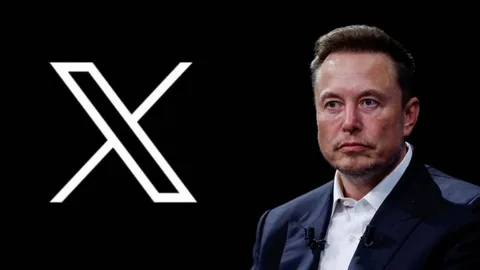
LVMH-owned newspaper group Les Echos-Le Parisien has opted not to proceed with a lawsuit against Elon Musk’s platform X, sources revealed on Tuesday. Initially, the group had joined French media in a legal effort to secure compensation for content that was used on the platform without payment. However, according to court officials and four media industry sources, Les Echos-Le Parisien will no longer participate in the case.

The lawsuit, originally announced in November, aimed to pressure X to pay for content from French publications displayed on the platform. Under EU copyright rules, digital platforms are required to compensate news publishers for using their content to generate traffic and revenue. The move had set the stage for a legal battle between LVMH, its CEO Bernard Arnault, and Musk, the world’s richest man.

In recent developments, sources confirmed that Les Echos-Le Parisien informed other media groups that it would not pursue the lawsuit, although no official reason for the change in decision has been provided. A spokesperson for Les Echos-Le Parisien confirmed that previous discussions had taken place, but declined to offer further details.

The French media groups involved, including Le Monde and Le Figaro, proceeded with their legal actions against X. These groups had secured a fast-track court order in May 2024, compelling X to release traffic data and advertising revenue figures to help determine fair compensation for their content. However, Les Echos-Le Parisien was not part of this court filing.

Les Echos is recognized as France’s leading business newspaper, while Le Parisien is a popular general news outlet. In November, CEO Pierre Louette emphasized that X, like any platform benefiting from their content, must adhere to EU copyright laws, stating it was crucial to protect quality information, which is fundamental to democracy.

While Les Echos-Le Parisien has withdrawn from the X lawsuit, it continues to pursue similar actions. Last month, the group joined other newspapers in filing a lawsuit against LinkedIn, Microsoft’s professional networking platform, with no court date yet set.
Comcast to Spin Off Cable Networks, Focus on Streaming Growth

Strategic Shift Toward Streaming

Comcast announced plans on Wednesday to spin off a majority of its NBCUniversal cable networks, including MSNBC, CNBC, USA Network, Syfy, Oxygen, and Golf Channel, into a new publicly traded company. The move marks Comcast’s pivot to prioritize growth areas like streaming and theme parks while positioning the new venture as an independent player in the media landscape.

The decision reflects the decline of traditional cable as millions of viewers have transitioned to streaming platforms like Netflix, Amazon Prime Video, and YouTube. “Streaming won,” remarked Jon Miller, CEO of Integrated Media. Comcast’s reorganization aims to capitalize on this shift, consolidating assets that complement its Peacock streaming service and retaining core entertainment properties such as the NBC broadcast network, Bravo, and Universal’s film and television studios.


Impact on the Media Industry

The spin-off company, which generates $7 billion in annual revenue, will focus on its cable networks, reaching approximately 70 million U.S. households. This transition is expected to enhance its appeal to private equity buyers and potential industry partners. Analysts suggest the move could facilitate future mergers, with Comcast shedding less lucrative assets that might hinder regulatory approvals for such combinations.

Cowen & Co analysts speculate the spin-off could precede a merger between Comcast and another major pay-TV provider, such as Charter Communications.

The new company will be led by Mark Lazarus, currently chairman of NBCUniversal’s media group, as CEO. Anand Kini will serve as operating chief and finance head.


The Broader Media Landscape

The spin-off aligns with broader industry trends, with legacy media companies adapting to the dominance of streaming. Paramount Global’s recent merger with Skydance Media underscores the competitive shift, signaling the growing importance of digital-first strategies.

Comcast President Mike Cavanagh expressed optimism about the new company’s financial health and growth potential. “The company will have significant cash flow, a strong balance sheet, and flexibility to pursue growth opportunities,” he noted.


What’s Next for Comcast?

The tax-free spin-off, expected to be completed within a year, enables Comcast to refocus its remaining business units on promising growth sectors. Analysts, including Michael Wolf of Activate, see this as a “smart move,” enabling Comcast to maximize value from legacy cable networks while expanding more dynamic areas like streaming and sports.

As Comcast transitions under CEO Brian Roberts, this spin-off is a strategic response to evolving viewer habits, ensuring the company remains competitive in an industry increasingly defined by digital innovation.

Disney Increases Prices for Disney+, Hulu, and ESPN+ Subscription Services

Disney has announced price hikes for its streaming services, including Disney+, Hulu, and ESPN+. Starting October 17, U.S. subscribers will face increased monthly fees amid a challenging environment for media companies dealing with shifting consumer behavior, rising operational costs, and regulatory scrutiny.

For Disney+, the ad-supported plan will rise from $7.99 to $9.99, while the ad-free plan will increase from $13.99 to $15.99. Hulu’s ad-supported plan will also jump from $7.99 to $9.99, and the ad-free plan will go up by one dollar to $18.99. ESPN+, Disney’s sports streaming service, will see a $1 increase to $11.99 per month.

Along with the price increases, Disney+ will introduce new features, including access to ABC News Live and a continuous playlist of content for preschool-aged children, ahead of the 2024 Presidential Election.

This latest round of price hikes follows previous increases aimed at making Disney’s streaming services profitable. Despite the financial challenges, Disney’s direct-to-consumer business, which includes Disney+ and Hulu, managed to turn a profit for the first time in May.