Yazılar

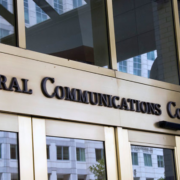
FCC Chair Supports Nexstar’s Tegna Acquisition

The chair of the Federal Communications Commission has expressed support for Nexstar’s proposed $3.54 billion acquisition of Tegna, a move that could create the largest regional television station operator in the United States.

If approved, the deal would significantly expand Nexstar’s reach, potentially covering up to 80 percent of U.S. television households across key markets. However, completing the acquisition would require regulatory adjustments, including changes to existing limits on broadcast station ownership.

Current FCC rules prevent a single company from owning television stations reaching more than 39 percent of U.S. households. Supporters of the merger argue that these limits should be revised to reflect shifts in the media landscape, particularly as traditional broadcasters face declining revenues and growing competition from streaming platforms.

Industry groups have also called for modernization of ownership rules, suggesting that longstanding regulations place broadcasters at a disadvantage compared to large technology companies.

While some policymakers believe the ownership cap could be adjusted through regulatory action, others question whether such changes require legislative approval.

The proposed merger highlights ongoing debates over competition, diversity and the evolving structure of the media sector.

Comcast loses more broadband customers as competition intensifies

U.S. cable and media group Comcast reported a steeper-than-expected decline in broadband subscribers in the fourth quarter, highlighting mounting pressure on its core connectivity business. The company said it lost 181,000 broadband customers, exceeding market expectations, as rivals attracted users with aggressive pricing and alternative internet options.

Competition in the U.S. broadband market has intensified with the expansion of high-speed fiber networks and the growing availability of lower-cost fixed-wireless access services. These offerings have challenged long-established cable providers, forcing Comcast to adjust its strategy. The company said it will hold prices steady this year while revamping service bundles and offering free mobile lines to retain customers.

Despite these efforts, analysts do not expect meaningful broadband customer growth until 2027. Comcast said it aims to convert a significant portion of free mobile-line users into paying customers later this year.

Overall revenue for the quarter reached $32.31 billion, broadly in line with expectations. Results were supported by strong performance at the company’s theme parks division, which posted its best quarter on record, driven by Epic Universe in Orlando. The Peacock streaming service also added subscribers, though higher sports-related costs widened losses.

Netflix Introduces Viewer-Based Metric as Ads Reach 190 Million Global Viewers

Netflix announced on Wednesday that advertisements on its platform now reach more than 190 million monthly active viewers worldwide, as the company shifts to a new measurement system that counts individual viewers rather than subscriber accounts. The move underscores Netflix’s growing emphasis on advertising as a key revenue stream alongside its core subscription business.

The new metric, called Monthly Active Viewers (MAVs), counts anyone who watches at least one minute of ad-supported programming and adjusts for household size using Netflix’s internal data. The company said the change provides a “more comprehensive count” of how many people are actually viewing its content.

Netflix also reported significant progress in its advertising operations. Co-CEO Greg Peters said the company recorded its best-ever ad sales quarter in Q3 and remains on track to more than double its ad revenue this year. “We’ve established the fundamentals of the business and see a lot of room for growth,” Peters said.

As part of its advertising expansion, Netflix began testing dynamic ad insertion (DAI) during live-streamed WWE Raw and SmackDown events. The feature, which tailors ads in real time for each viewer, will be deployed in six countries — including the U.S., UK, Germany, Mexico, Brazil, and Canada — for the upcoming NFL Christmas Gameday, before rolling out to more live events in 2026.

The company’s in-house Netflix Ads Suite, launched earlier this year, is now available across all 12 markets offering ad-supported plans.