Yazılar

Computex 2024 to Spotlight AI Innovations, Nvidia’s Jensen Huang Takes Center Stage

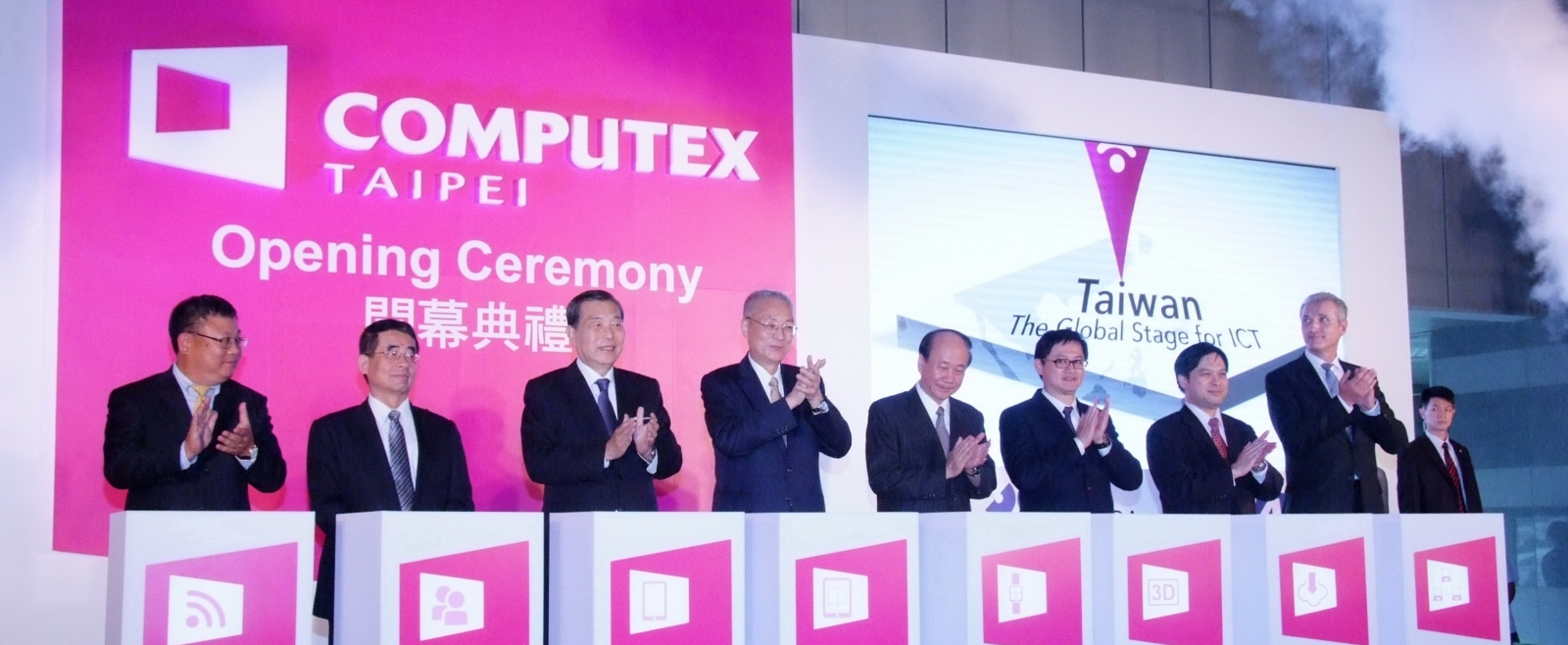
Taiwan’s Computex trade show, set for May 20–23, will once again shine a spotlight on artificial intelligence, with Nvidia CEO Jensen Huang expected to headline the event. With 1,400 exhibitors lined up, this year’s focus extends beyond AI-powered devices to global economic shifts and the geopolitical implications of U.S. tariffs.

Huang, known for sparking “Jensanity” at last year’s event, will deliver the keynote speech Monday. He’s anticipated to announce expanded partnerships with leading Taiwanese AI server manufacturers like Foxconn and Quanta. Analysts believe Huang may also reference recent U.S. policy changes, including trade tariffs and the ongoing effort to reduce supply chain dependence on China.

Obviously, Nvidia relies a lot on the Taiwanese ecosystem to deliver,” said Ian Cutress, chief analyst at More Than Moore. Nvidia recently pledged to produce $500 billion worth of AI servers in the U.S. over the next four years, in collaboration with TSMC, Foxconn, and Wistron.

Other tech giants will also make major appearances:

  • Qualcomm will present developments in AI PCs.

  • MediaTek is set to unveil its strategy for edge and cloud AI.

  • AMD will showcase advancements in gaming and AI-powered personal computing.

  • Intel’s new CEO, Lip-Bu Tan, while skipping a public speech, will meet privately with key Taiwanese partners.

  • Advantech, a leader in industrial computing, returns after a decade to reveal new AI systems for business applications.

The event arrives amid concerns over tightened export controls on advanced AI chips to China and heightened pressure from the U.S. to relocate manufacturing stateside. These dynamics have shifted the industry’s focus from traditional B2C electronics to enterprise-level AI and industrial innovation.

Taiwan has also changed,” said Advantech Chairman K.C. Liu. “The industry has shifted toward AI. It’s no longer enough to focus solely on consumer goods.”

Computex 2024 is expected to serve not only as a showcase for the latest AI breakthroughs but also as a barometer of how companies are navigating complex global supply chains and political risks in the tech sector.

Google Reportedly Set to Collaborate with MediaTek on New AI Chip Development

Google is reportedly forging a new partnership with Taiwan’s MediaTek to develop the next generation of its Tensor Processing Units (TPUs), a key component in its AI infrastructure. According to a report by The Information, this collaboration is set to take shape next year, bringing MediaTek’s expertise in chip design together with Google’s ambitions in the AI space. This marks a significant shift in Google’s approach to chip development, especially after years of working exclusively with Broadcom on the design of its AI chips.

Despite this new partnership, Google has not severed its ties with Broadcom, suggesting that the company plans to maintain a diverse strategy for chip design. Broadcom has been instrumental in creating the AI chips that power Google’s internal research, development, and cloud services. A source from the San Jose-based company confirmed that Google continues to collaborate with Broadcom, indicating that the tech giant is adopting a multi-vendor strategy rather than relying solely on one partner.

The move to work with MediaTek comes at a time when Nvidia continues to dominate the AI chip market. Google, however, has taken steps to reduce its reliance on Nvidia’s chips by designing its own AI server processors. These in-house chips allow Google to serve both its internal needs and cloud customers, thus giving it a competitive edge. This strategy also provides greater flexibility and control over its AI infrastructure, a significant advantage as the demand for specialized AI hardware surges.

In late 2024, Google introduced its sixth-generation TPU, designed to provide a viable alternative to Nvidia’s offerings. This new generation of chips is a key part of Google’s effort to carve out a stronger position in the competitive AI space, offering its cloud customers a solution that isn’t as dependent on Nvidia. With rivals such as OpenAI, supported by Microsoft, and Meta also ramping up their AI capabilities, Google’s diversified approach to chip design is becoming increasingly important in maintaining its leadership in the cloud and AI sectors.

Google Set to Collaborate with MediaTek on Upcoming AI Chip, Report Says

Google is reportedly preparing to partner with MediaTek to develop the next generation of its AI chips, Tensor Processing Units (TPUs), which are expected to be produced next year. According to a report by The Information, this collaboration will allow Google to diversify its AI chip development efforts, with MediaTek playing a key role in the new iteration of its cutting-edge technology. Despite this new partnership, Google has not severed its long-standing relationship with Broadcom, a chip designer that has been working exclusively with the tech giant on AI chips for several years.

The decision to team up with MediaTek does not signal the end of Google’s collaboration with Broadcom. According to sources familiar with the matter, Google is continuing to work with Broadcom on its existing chip technologies. As a result, the company appears to be taking a dual approach to AI chip development, utilizing the expertise of both MediaTek and Broadcom to create chips that will enhance its cloud offerings and internal capabilities.

Google has also made significant strides in designing its own AI server chips, which it uses for internal research and development, as well as offering them to cloud customers. This approach, which mirrors that of competitors like Nvidia, gives Google a competitive edge in the rapidly growing AI market. By reducing its reliance on Nvidia chips, which have seen surging demand from companies like Microsoft-backed OpenAI and Meta Platforms, Google is positioning itself to better compete in the evolving AI space.

In late 2024, Google introduced its sixth-generation TPU, aimed at providing both internal and cloud-based alternatives to Nvidia’s chips, which remain the industry’s most sought-after processors. This move signifies Google’s commitment to offering powerful AI solutions that are not only competitive with Nvidia but also provide more options for cloud customers who are increasingly turning to AI-driven technologies. With the upcoming collaboration with MediaTek, Google is taking a step toward solidifying its position in the AI hardware landscape.