Yazılar

Siemens Healthineers Shares Rise on Q1 Revenue Beat Despite China Order Delays

Siemens Healthineers (SHLG.DE) reported stronger-than-expected first-quarter revenue on Thursday, with a 5.9% year-on-year increase, despite challenges posed by delayed customer orders in China. The company’s Q1 group revenue reached 5.48 billion euros ($5.69 billion), slightly surpassing the 5.37 billion euros forecast by analysts.

The revenue boost was driven by a 16% surge in U.S. revenues, counteracting a 6% decline in sales from China, which the company attributed to “continued delays in customer orders.” Like many of its peers in the healthcare technology sector, Siemens Healthineers has been impacted by China’s ongoing anti-corruption campaign, leading to reduced hospital equipment orders in the region.

Siemens Healthineers’ Chief Financial Officer, Jochen Schmitz, stated that the company expects continued challenges in China, forecasting a decline in sales in the “medium to high percentage range” during the first half of the year. He also noted a “flat trend” in China’s performance over the following quarters.

Despite the challenges, Siemens Healthineers remains cautiously optimistic, with CEO Bernd Montag emphasizing that while global trade disruptions, such as U.S. tariffs on imports from Mexico and Canada, are a concern, the risk to the healthcare and medical technology sectors remains relatively low. He added that U.S. tariffs on Chinese imports would have a “minor” impact on the company’s business.

The company also expects a stronger U.S. dollar to play a role in its financial outlook. Siemens Healthineers confirmed its full-year guidance, with revenue growth anticipated to fall within the lower end of the projected range of 5% to 6% for the second quarter.


 

MIT Engineers Develop Miniature Zinc-Air Batteries for Cell-Sized Robots, Advancing Autonomous Technology

MIT Engineers Unveil Zinc-Air Microbatteries: Tiny Powerhouses for Cell-Sized Robots Devamını Oku

Synchron Connects Brain Implant to Apple’s Vision Pro, Enabling Mind-Control for Patients with Limited Mobility

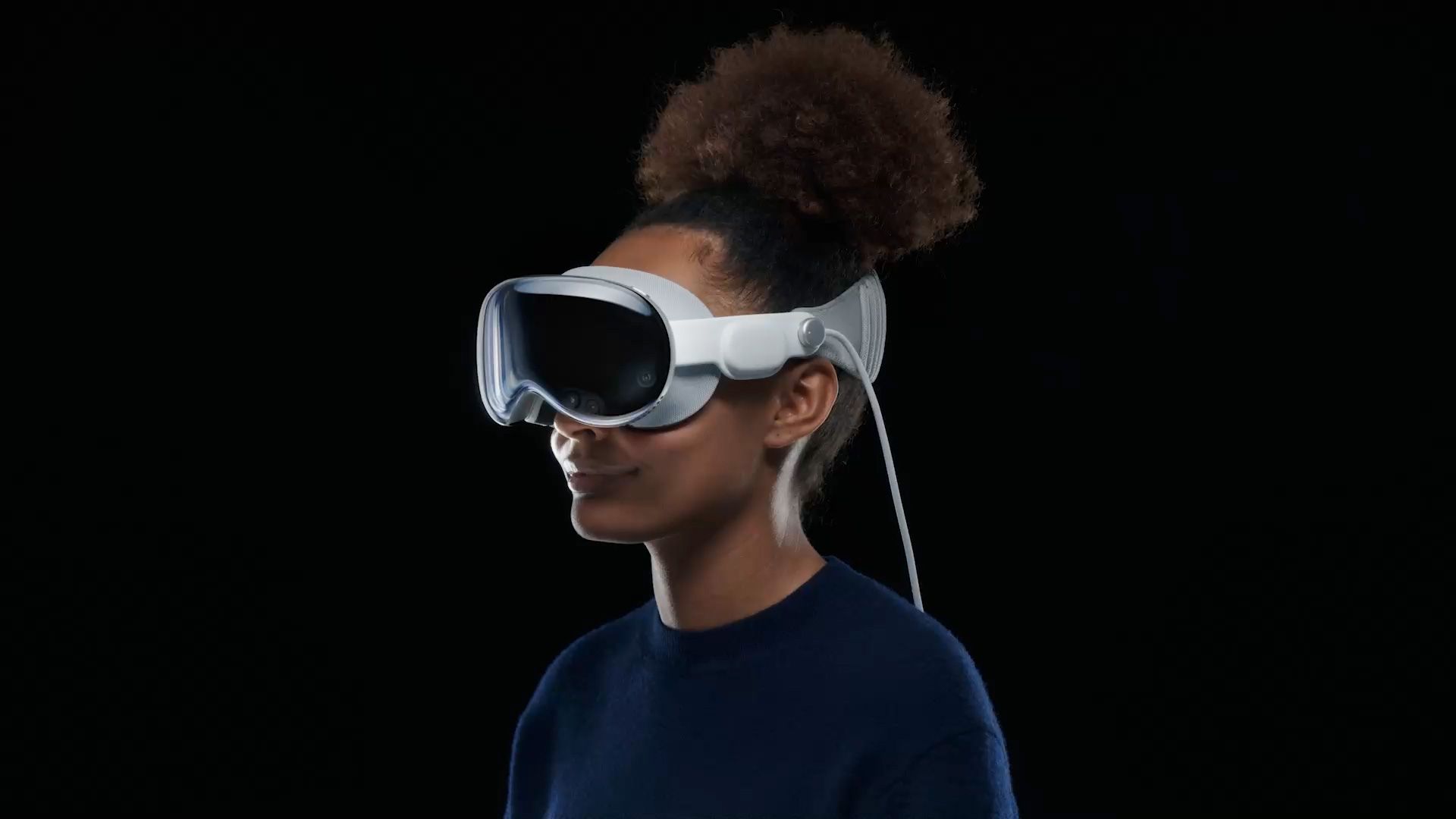
Neurotech startup Synchron announced on Tuesday that it has successfully connected its brain implant to Apple’s Vision Pro headset. This breakthrough allows patients with limited physical mobility to control the device using only their thoughts.

Synchron is developing a brain-computer interface (BCI) to help patients with paralysis operate technology like smartphones and computers. The company has implanted its BCI in six patients in the U.S. and four in Australia, and is awaiting approval from the U.S. Food and Drug Administration to commercialize its technology further.

The Vision Pro, which Apple released earlier this year, is typically controlled by eye movements, voice commands, and hand gestures. Synchron’s integration aims to make the device accessible to patients who cannot speak or move their upper limbs. Synchron CEO Thomas Oxley praised Apple’s iOS accessibility platform as best in class and noted that the company focused on Apple’s ecosystem first. He also mentioned that Apple has been very supportive of the Vision Pro integration.

Synchron is part of a competitive BCI industry that includes companies like Paradromics, Precision Neuroscience, Blackrock Neurotech, and Elon Musk’s Neuralink. Synchron’s BCI is unique in that it is inserted through a patient’s jugular vein, avoiding the need for open brain surgery. The device is delivered to the blood vessel on the brain’s motor cortex surface and connected to an antenna under the skin in the chest. This antenna collects brain data and sends it to external devices.