
Yazılar

Amazon Challenges EU’s ‘Very Large Online Platform’ Label, Citing Lack of Systemic Risk

Amazon has asked Europe’s General Court in Luxembourg to overturn its designation as a “very large online platform” (VLOP) under the European Union’s Digital Services Act (DSA). The U.S. e-commerce giant argues that it does not pose systemic risks to users that would justify the stricter regulatory requirements imposed by the label.

The DSA, which came into force in 2022, targets large tech companies, requiring those classified as VLOPs to implement enhanced measures to combat illegal and harmful content. These measures include comprehensive risk management, independent auditing, and data sharing with regulators and researchers.

Amazon’s legal counsel, Robert Spano, told the court that online marketplaces like Amazon’s store do not create systemic risks, and that VLOP rules are ineffective in preventing the spread of illegal or counterfeit goods on such platforms. He emphasized that any risks are limited to individual customers rather than the platform’s entire user base, and existing product safety laws already address these issues.

Spano criticized the use of size as a metric for risk, describing it as “arbitrary, disproportionate and discriminatory.”

The court is expected to deliver its verdict in the coming months.

Other major tech companies, including Meta Platforms, TikTok, and German retailer Zalando, have also contested aspects of the DSA.
AMD Unveils AI Server and Chips as OpenAI Joins Development Effort

AMD CEO Lisa Su introduced a major new line of AI hardware on Thursday, unveiling both the MI350 and MI400 series of AI chips and announcing plans to release the company’s first AI server, called “Helios,” in 2026. The launch signals AMD’s most direct challenge yet to Nvidia’s dominance in the AI server and chip market.

The announcement was made at AMD’s “Advancing AI” developer conference in San Jose, California. The Helios servers will house 72 MI400 chips, designed to compete directly with Nvidia’s current NVL72 servers powered by its Blackwell processors. In a notable difference from Nvidia’s closed ecosystem, Su emphasized that many aspects of AMD’s server and networking standards would be openly available to the broader industry, including rivals like Intel.

“The future of AI is not going to be built by any one company or in a closed ecosystem. It’s going to be shaped by open collaboration across the industry,” Su stated.

Su was joined on stage by OpenAI CEO Sam Altman, who confirmed that OpenAI is already working with AMD on its MI450 chips to help optimize them for AI workloads. Altman remarked on OpenAI’s rapid infrastructure growth, calling the pace “crazy” and noting continued expansion with AMD’s hardware.

Executives from Meta Platforms, Elon Musk’s xAI, and Oracle also appeared during the event to showcase how their companies are adopting AMD’s processors. Additionally, Crusoe, a cloud provider specializing in AI, disclosed plans to purchase $400 million worth of AMD’s new chips.

Despite the announcement, AMD shares slipped 2.2%, with analysts suggesting the company still faces significant headwinds in dislodging Nvidia’s dominant market position. Summit Insights analyst Kinngai Chan noted that the newly announced products are unlikely to shift the competitive balance immediately.

AMD has aggressively expanded its AI capabilities over the past year, completing its acquisition of server manufacturer ZT Systems in March and making 25 strategic investments in AI-related startups. The company recently hired engineers from Untether AI and Lamini, further strengthening its chip design and software development teams.

However, AMD’s ROCm software stack continues to lag behind Nvidia’s highly entrenched CUDA platform, which many in the industry see as a major factor behind Nvidia’s dominance.

Nevertheless, AMD remains optimistic about its growth prospects, even as U.S. export controls tighten on AI chip sales to China. When reporting earnings in May, Su reiterated expectations for strong double-digit growth in AI chip sales despite these headwinds.

Trump to Join AI and Energy Summit in Pittsburgh with Tech and Energy Leaders

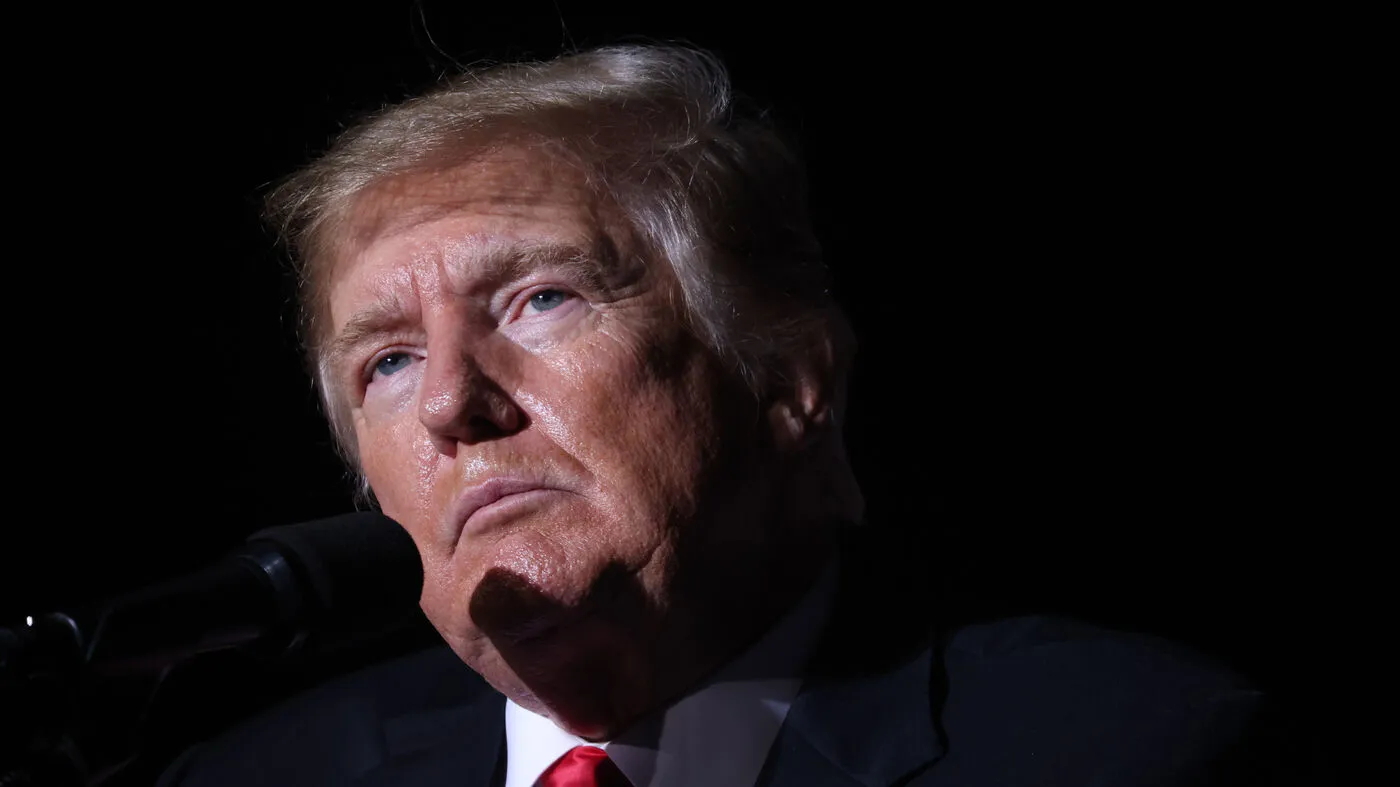
U.S. President Donald Trump will attend an artificial intelligence and energy summit in Pittsburgh, Pennsylvania, on July 15, according to an announcement from the office of Pennsylvania U.S. Senator Dave McCormick. The inaugural Pennsylvania Energy and Innovation Summit will take place at Carnegie Mellon University.

The event is expected to gather top executives from both the tech and energy industries. Axios reported that the guest list includes high-profile tech leaders such as OpenAI CEO Sam Altman, Meta Platforms CEO Mark Zuckerberg, Microsoft CEO Satya Nadella, and Alphabet CEO Sundar Pichai. Leading figures from the energy sector such as Exxon Mobil CEO Darren Woods, Shell CEO Wael Sawan, and Chevron CEO Mike Wirth are also expected to attend.

White House AI czar David Sacks is scheduled to participate as well. Earlier this week, Sacks voiced concerns that excessive regulation of artificial intelligence in the U.S. could hinder industry growth and give China a competitive advantage in the global AI market. His comments suggest that the Trump administration may adopt a more expansionist policy for U.S. AI companies, focusing on boosting international markets for American AI chips and models.

This approach contrasts with that of Democratic former President Joe Biden, who emphasized strict controls to prevent U.S. AI chips from being used to strengthen China’s military capabilities.

Meanwhile, a bipartisan group of 40 state attorneys general, including Republicans from Ohio, Tennessee, Arkansas, Utah, and Virginia, have pushed back against federal efforts to limit state-level AI regulations. They argue that states should retain the authority to develop and enforce consumer protection rules for AI technologies.

The Pittsburgh summit signals the increasing intersection of AI policy, energy strategy, and international trade considerations in U.S. political and economic debates as AI continues to reshape multiple sectors.