Yazılar

French Publishers and Authors Sue Meta for Alleged Copyright Infringement in AI Training

France’s leading publishing and authors’ associations have filed a lawsuit against Meta, accusing the U.S. tech giant of using copyrighted content without permission to train its artificial intelligence (AI) systems. The lawsuit was filed earlier this week in a Paris court, with the plaintiffs alleging copyright infringement and economic “parasitism.”

The groups behind the lawsuit include the National Publishing Union (SNE), the National Union of Authors and Composers (SNAC), and the Society of Men of Letters (SGDL), which represent authors and publishers in France. They argue that Meta, the parent company of Facebook, Instagram, and WhatsApp, has been illegally using copyright-protected material to enhance its AI models.

Maia Bensimon, general delegate of SNAC, described the actions as a form of “monumental looting.” Renaud Lefebvre, Director General of SNE, referred to the lawsuit as “David versus Goliath,” emphasizing that the legal action aims to set a precedent for the protection of copyright in the face of rapidly advancing AI technologies.

This lawsuit marks the first of its kind in France against an AI giant, though similar legal actions are already underway in other countries, particularly in the United States. In 2023, Sarah Silverman, an American actress and author, along with other plaintiffs, sued Meta for allegedly misusing their works to train its Llama language model. Other authors, including Christopher Farnsworth, have also filed lawsuits against Meta for similar claims.

In addition to Meta, OpenAI, the creator of ChatGPT, faces similar copyright lawsuits in the United States, Canada, and India over the data used to train its generative AI systems.

EU Defends Digital Markets Act, Insists It’s Not Targeting U.S. Tech Giants

European Union officials have rejected accusations that their new Digital Markets Act (DMA) is aimed at U.S. tech giants. In a joint letter to U.S. congressmen Jim Jordan and Scott Fitzgerald, EU antitrust chief Teresa Ribera and EU tech chief Henna Virkkunnen emphasized that the DMA is designed to keep digital markets open and applies to all companies meeting the criteria for being considered “gatekeepers,” regardless of their headquarters.

Ribera and Virkkunnen responded to concerns raised by U.S. lawmakers about the potential impact of the DMA on U.S. firms. The letter, dated March 6, clarified that the law does not specifically target U.S. companies, but instead applies to any firm that fits the established gatekeeper definition in the EU.

The EU officials also defended the DMA against criticism that it could stifle innovation. They argued that the act aims to prevent unfair practices by dominant players, thus fostering a more open and competitive digital market that will allow new players to emerge and innovate. Ribera and Virkkunnen highlighted that similar concerns over monopolistic behavior had prompted antitrust investigations and legal actions against companies like Google, Amazon, Apple, and Meta in the U.S. under the Trump administration and beyond.

In response to claims that EU fines on American tech firms resemble a European tax, the EU officials emphasized that the primary goal of enforcement is to ensure compliance with the law, not to impose punitive measures. They pointed out that sanctions, which are a standard feature of both EU and U.S. regulations, are essential for ensuring effective enforcement.

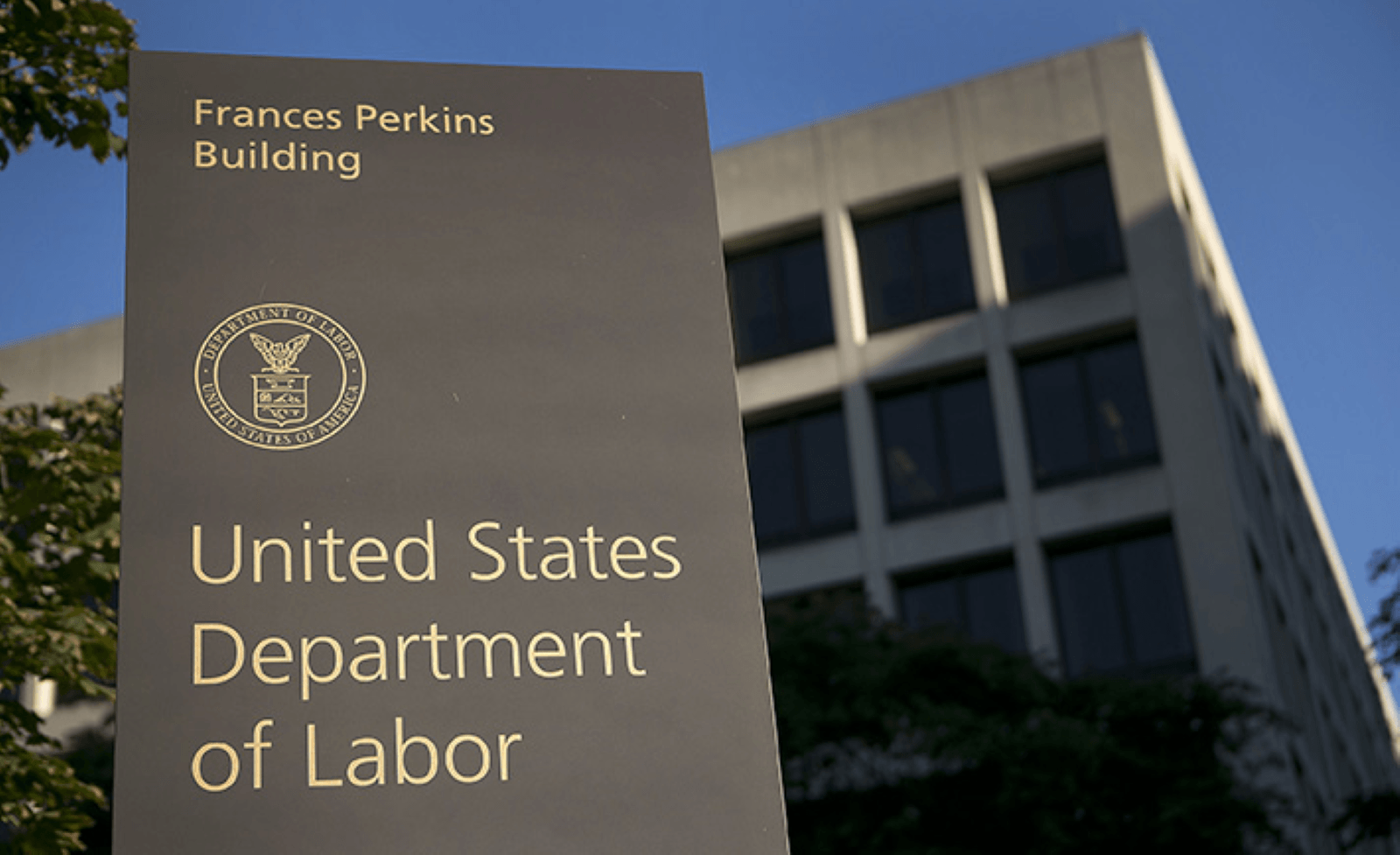
U.S. Labor Department Investigates Scale AI for Fair Labor Practices

The U.S. Department of Labor is investigating Scale AI, a data labeling startup backed by major tech companies including Nvidia, Amazon, and Meta, for potential violations of the Fair Labor Standards Act. The investigation, which began nearly a year ago under the Biden administration, is focused on Scale AI’s compliance with fair pay practices and working conditions.

Scale AI, based in California, provides large volumes of accurately labeled data crucial for training AI tools such as OpenAI’s ChatGPT. The company also offers a platform for researchers to share AI-related information, with contributors from over 9,000 cities and towns.

A spokesperson for Scale AI emphasized that the company has worked closely with the Labor Department over the past year, explaining its business model and the emerging nature of the AI industry. The startup assured that feedback from its contributors has been largely positive, and it has dedicated teams to ensure fair compensation and support for workers. Nearly all payments to contributors are made on time, and the company resolves 90% of payment-related inquiries within three days.

Scale AI, which was founded in 2016, was valued at $14 billion in a recent funding round. Its client base includes AI firms like OpenAI and Cohere, as well as major corporations such as Microsoft and Morgan Stanley.