Yazılar

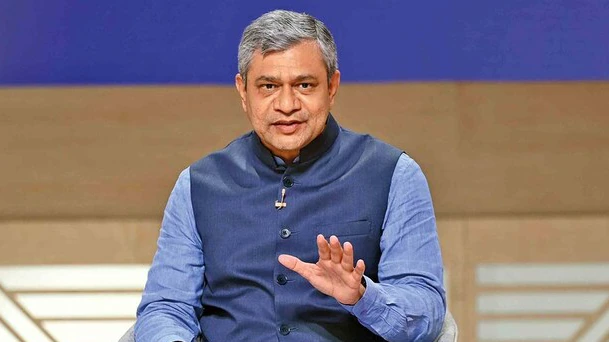
Union Minister Ashwini Vaishnaw and Meta’s Chief AI Scientist Explore AI Collaboration Opportunities

Union Information and Broadcasting Minister Ashwini Vaishnaw held a significant meeting with Meta’s Chief AI Scientist, Yann LeCun, on Saturday, focusing on collaborative opportunities in artificial intelligence (AI). This engagement underscores India’s commitment to harnessing AI technology to boost both industry growth and educational advancement. The meeting also highlights Meta’s interest in supporting India’s AI initiatives, aligning with the government’s broader vision for AI’s role in the nation’s future.

In a social media post on X, Minister Vaishnaw shared the progress of India’s AI Mission, noting how it has successfully fostered partnerships across industry, government, and academia. The AI Mission is a substantial push from the Indian government aimed at creating a collaborative ecosystem, where cutting-edge AI technology can be developed and applied to solve real-world problems. These collaborations are not only intended to fuel innovation but also to ensure that India builds a sustainable AI infrastructure.

One major highlight from the meeting was the collaboration between Meta and IIT Jodhpur, which is set to launch a Center of Excellence (CoE) in Generative AI. This CoE will focus on advancing generative AI research, potentially setting India as a hub for development in this field. Generative AI, known for its transformative applications in language models, media creation, and more, is an area where India seeks to establish a strong foothold. With Meta’s expertise and IIT Jodhpur’s academic resources, this initiative could mark a leap forward in the nation’s AI capabilities.

Additionally, Vaishnaw pointed to the YuvAI Skilling program, a partnership between Meta and the All India Council for Technical Education (AICTE), aiming to train 100,000 students in large language models (LLMs) and other foundational AI skills. This program is expected to empower the next generation of AI professionals in India, creating a highly skilled workforce that can drive innovation and meet the rising demand for AI expertise in the global market. Through such initiatives, India is not only advancing its AI agenda but is also positioning itself as a global player in the AI domain
Tech Leaders Congratulate Donald Trump on Presidential Election Victory

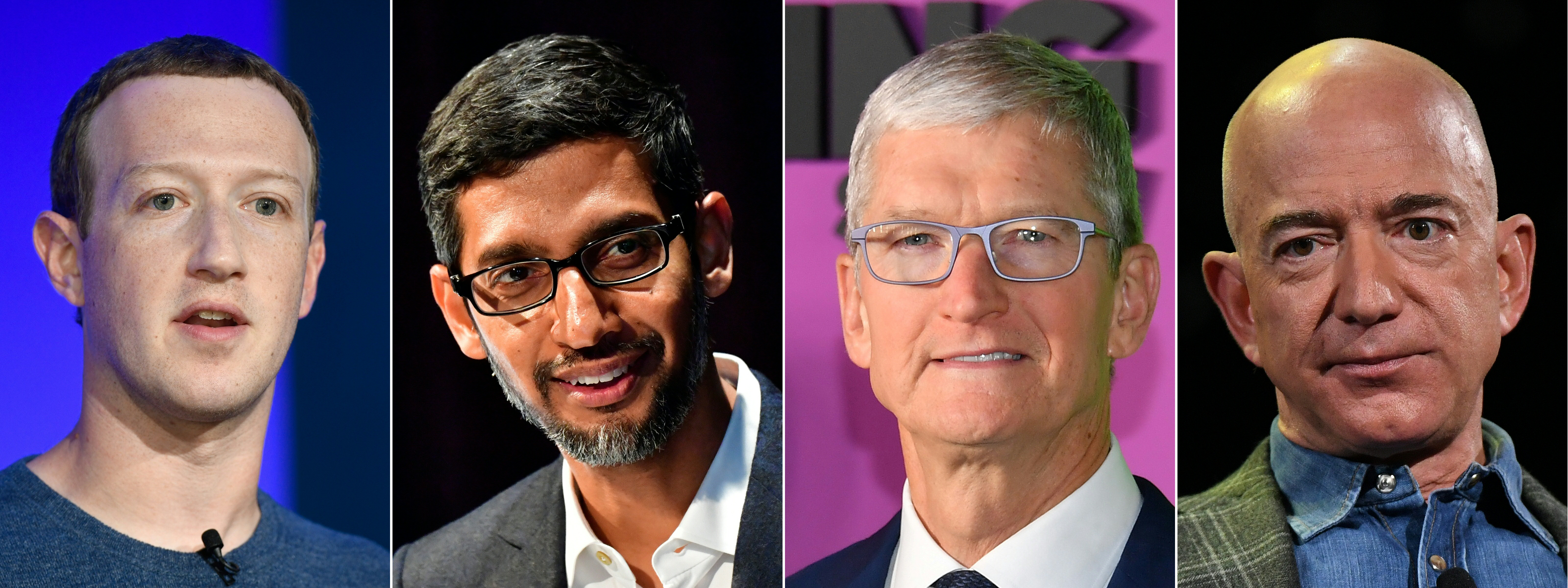
Several high-profile tech CEOs extended their congratulations to President-elect Donald Trump and Vice President-elect JD Vance following Trump’s win in the U.S. presidential election. These statements, posted on social media, expressed support for Trump’s return to the Oval Office and emphasized a shared focus on technology advancement and economic growth.

Amazon
Jeff Bezos, Amazon’s founder and executive chairman, congratulated Trump in a post on X, calling his win an “extraordinary political comeback and decisive victory.” Although Bezos and Trump clashed during Trump’s first term over issues like Amazon’s tax practices and The Washington Post’s editorial stance, Bezos has recently adopted a more conciliatory approach. He praised Trump for his “courage under literal fire” after the attempted assassination attempt on Trump this past summer. Amazon CEO Andy Jassy also extended his congratulations, expressing hope to collaborate on issues impacting Amazon’s customers and employees.

OpenAI
OpenAI CEO Sam Altman wrote on X that he wishes Trump “huge success in the job.” Altman emphasized the importance of the U.S. maintaining its leadership in artificial intelligence and expressed optimism about continuing to develop AI aligned with democratic values.

Meta
Mark Zuckerberg, CEO of Meta, congratulated Trump on what he described as a “decisive victory.” Zuckerberg said he looked forward to working with Trump on shared opportunities and goals, despite their sometimes tense history, notably Meta’s suspension of Trump’s Facebook account in the aftermath of the January 6 events.

Tesla and X
Elon Musk, CEO of Tesla and X (formerly Twitter), was another vocal supporter. Musk has been a prominent backer of Trump’s campaign and contributed $75 million to America PAC, a pro-Trump political action committee he founded. Musk, who is expected to lead a government efficiency commission under Trump, celebrated the win, which sent Tesla’s stock surging by over 13%.

Alphabet (Google)
Sundar Pichai, CEO of Alphabet, Google’s parent company, offered his congratulations to Trump and expressed a commitment to working together on technology-driven initiatives.

Intel
Intel CEO Pat Gelsinger also extended his congratulations, stating that Intel looks forward to collaborating with Trump’s administration to advance America’s technological and manufacturing leadership. Intel, currently restructuring to regain its position in the global chip market, could benefit if Trump and the Republican Congress pursue an agenda that replaces the Biden-Harris administration’s CHIPS and Science Act.

Cisco
Chuck Robbins, Cisco’s CEO, wrote that his company is eager to collaborate on policies supporting “connectivity, innovation, and cybersecurity.” Robbins highlighted Cisco’s readiness to work with Trump and Congress on key technological issues.

Box and Dell Technologies
Box CEO Aaron Levie also congratulated Trump on his win, describing it as a “wild ride” and noting his optimism about America’s future growth trajectory. Michael Dell, CEO of Dell Technologies, added his congratulations on X.

This election victory has brought a chorus of industry leaders expressing hope for collaboration on economic policies that could impact technology, innovation, and global competitiveness, aligning with Trump’s focus on strengthening American industries.


Chinese Military-Linked Institutions Develop AI Model Using Meta’s Llama for Strategic Applications

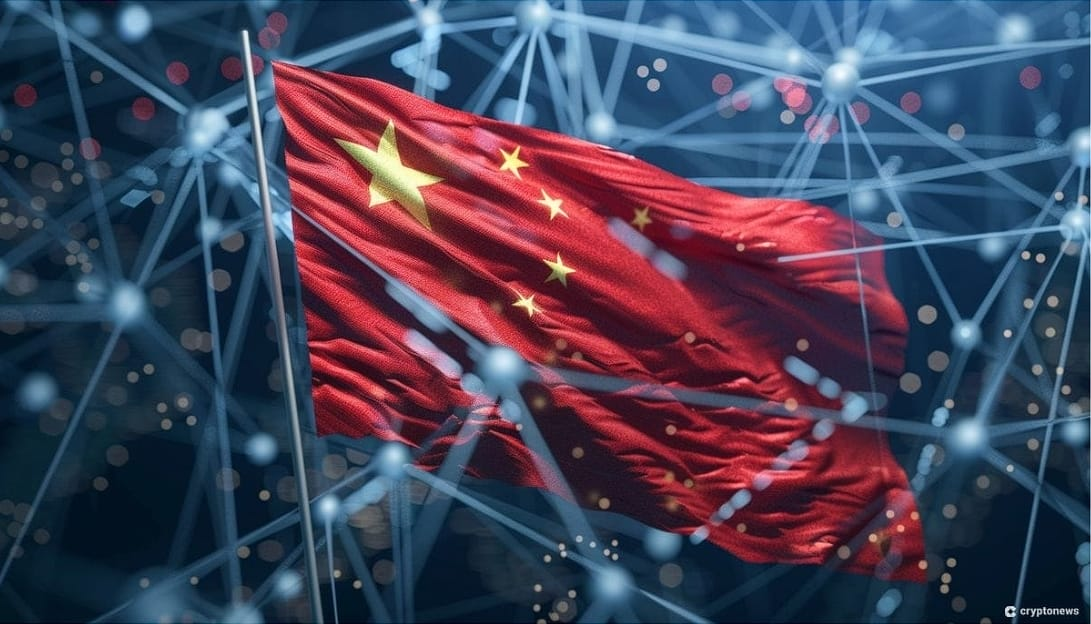
Chinese research bodies associated with the People’s Liberation Army (PLA) have adapted Meta’s open-source AI model, Llama, for potential military use, according to several academic papers and expert analysts. A June paper by six Chinese researchers—connected to three institutions, including the PLA’s Academy of Military Science (AMS)—revealed the development of an AI tool named “ChatBIT.” Built on Meta’s Llama 13B model, ChatBIT is tailored for military intelligence gathering and operational decision-making support.

Optimized specifically for dialogue and question-answering within military contexts, ChatBIT reportedly performs better than other AI models, with capabilities about 90% of those of ChatGPT-4. However, the researchers did not specify the exact performance criteria or confirm whether the tool is operational within the military.

This development marks the first confirmed attempt by Chinese military-affiliated researchers to leverage Meta’s open-source models systematically, according to Sunny Cheung, a specialist in China’s dual-use technologies at the Jamestown Foundation. Meta’s open-source strategy, which includes guidelines barring military and nuclear use, limits enforcement options. Meta reiterated this position in response to Reuters inquiries, emphasizing that any PLA use of its models is unauthorized.

While Meta supports open innovation, the use of Llama in military contexts has reignited discussions in the U.S. about potential security risks associated with open-source models. Recently, President Joe Biden signed an executive order to monitor AI developments, balancing innovation benefits with security concerns.

The AMS-affiliated researchers, including Geng Guotong and Li Weiwei, alongside colleagues from Beijing Institute of Technology and Minzu University, suggested ChatBIT could potentially aid in strategic planning, simulation training, and command decision-making as the technology progresses. While Reuters could not confirm the model’s computational scope, the researchers cited a relatively modest dataset of 100,000 military dialogue records, prompting experts like Joelle Pineau of Meta’s AI Research division to question the depth of ChatBIT’s current capabilities.

This development arises as the U.S. finalizes rules to regulate investment in critical AI technologies in China. Pentagon officials have voiced ongoing concerns about the dual-use implications of open-source models, while some observers argue that China’s progress in indigenous AI research makes it challenging to prevent technological advances. William Hannas of Georgetown University’s Center for Security and Emerging Technology notes that extensive collaboration between top Chinese and American AI scientists has bolstered China’s AI goals.

Meanwhile, other PLA-linked studies describe further uses for Llama in fields such as airborne electronic warfare and intelligence policing. In April, PLA Daily emphasized AI’s potential to accelerate weapons development and enhance military training and simulation. These developments reflect China’s national strategy to close the technological gap with the U.S. in AI by 2030, underscoring the ongoing global debate over AI’s role in military advancement.