Yazılar

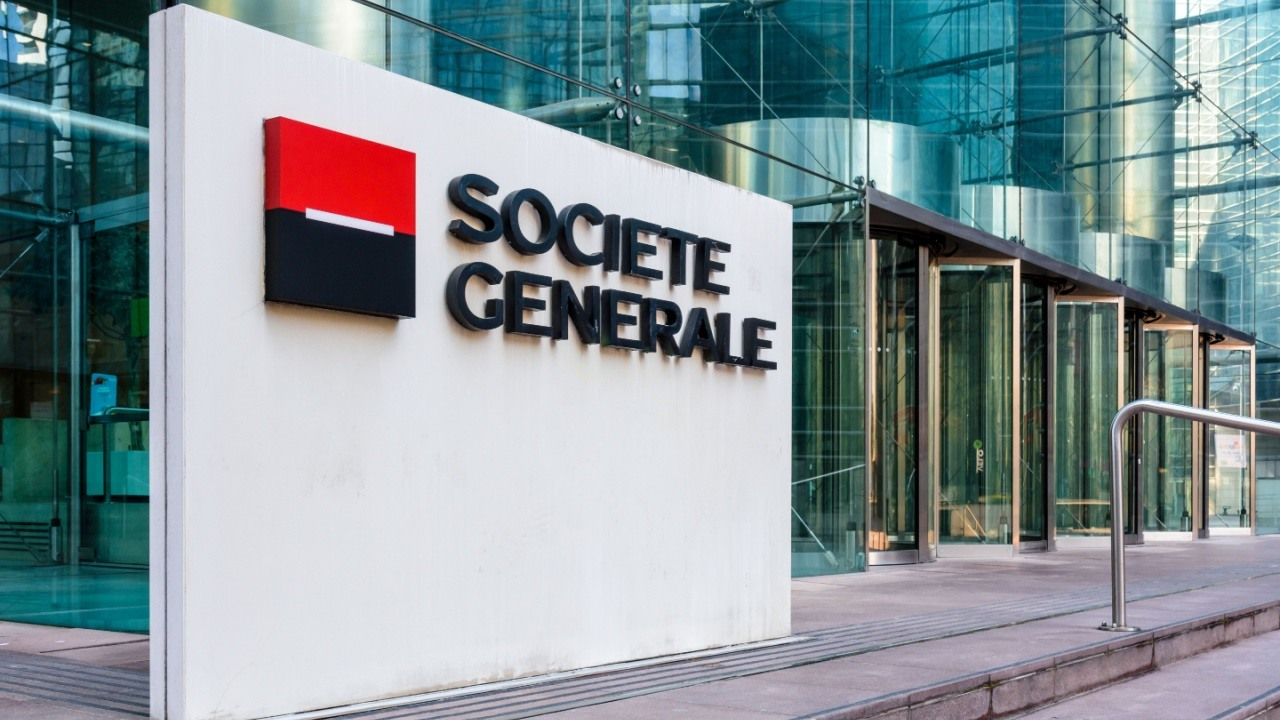
Societe Generale Becomes First Major Bank to Launch Dollar-Pegged Stablecoin

France’s Societe Generale announced plans to launch “USD CoinVertible,” a dollar-backed stablecoin through its digital asset subsidiary SG-FORGE, marking the first time a major global bank enters the dollar-pegged stablecoin market. The new cryptocurrency will be issued on both the Ethereum and Solana blockchains, with public trading set to commence in July.

Stablecoins, which are cryptocurrencies pegged to traditional currencies such as the U.S. dollar, allow for the movement of significant funds across blockchain networks without relying on conventional banking systems. The sector has rapidly expanded, led by crypto company Tether, which has issued $155 billion worth of its dollar-backed tokens.

SG-FORGE previously launched a euro-backed stablecoin in 2023, but adoption has been limited, with only €41.8 million ($47.6 million) in circulation. Unlike unregulated counterparts, SocGen’s stablecoins will be classified as e-money tokens and regulated under the EU’s Markets in Crypto-Assets Regulation (MiCA), adopted in 2023. Tether, by contrast, does not hold a MiCA license to operate within the EU.

Jean-Marc Stenger, CEO of SG-FORGE, emphasized strong market demand for a regulated dollar-based stablecoin, noting significant interest from corporate clients, financial institutions, and crypto exchanges seeking reliable and compliant offerings. “At the moment, there are no other banking-related players in that space,” Stenger said.

Stablecoin issuers typically hold customer deposits in dollars and invest them into yield-bearing assets such as government bonds for profit. Bank of New York Mellon (BNY) will act as custodian for SG-FORGE’s reserves, which will initially be held in cash before being allocated to other investments.

SG-FORGE’s USD CoinVertible will serve multiple functions including crypto trading, cross-border payments, foreign exchange transactions, and collateral management. While specific exchange listings have not yet been disclosed, the company stated that over 15 crypto exchanges and brokers are onboarding as clients.

In the United States, stablecoin regulation is also gaining momentum, with Congress preparing to adopt new legislation. Bank of America has signaled potential interest in launching its own stablecoin, and other major banks are considering joint initiatives.

Tether remains the world’s largest stablecoin issuer and recently disclosed it has become the seventh largest buyer of U.S. government debt in 2024 through its extensive Treasury holdings. Meanwhile, the second-largest stablecoin issuer, Circle, went public on the U.S. stock market on June 5, with its shares surging 48% shortly after listing.

Despite the rapid growth, regulators continue to caution that stablecoins could pose risks to financial stability by linking traditional finance with the more volatile cryptocurrency markets.

Google Tightens Crypto Ad Rules in EU to Meet MiCA Standards

Google is preparing to tighten its cryptocurrency advertising policies in the European Union to comply with the region’s newly enforced MiCA regulations. The Markets in Crypto-Assets (MiCA) framework, which took effect in December 2024, positions the EU as one of the first major jurisdictions to regulate digital assets comprehensively. In response, Google will implement updated advertising rules later this month, aiming to provide clearer guidance around promoting crypto products, which remain volatile and largely unregulated globally.

Under the revised policy, only crypto exchanges and wallet providers registered under MiCA will be permitted to advertise their services through Google’s platforms within the EU. The changes, which were first announced last month, will officially take effect on April 23. The move underscores Google’s efforts to align its operations with emerging regulatory frameworks and to foster a safer advertising environment for users engaging with digital financial products.

The MiCA regulations are designed to streamline crypto operations across the European Economic Area, allowing licensed companies in one member state to offer services throughout the EU, as well as in Iceland, Norway, and Liechtenstein. Google’s updated rules specify that advertisers must be licensed as a Crypto-Asset Service Provider (CASP) by an appropriate national authority and must comply with additional national-level laws where applicable, even if those go beyond MiCA’s core requirements.

In addition to cryptocurrency exchanges and wallets, the stricter policy will also extend to blockchain-based gaming platforms involving non-fungible tokens (NFTs). Advertisers promoting games that allow NFT transactions must similarly hold CASP licenses and adhere to all local regulations. By implementing these changes, Google aims to bolster regulatory compliance while supporting the EU’s broader mission to bring more oversight and security to the fast-evolving digital asset sector.

Deutsche Boerse’s Clearstream to Launch Bitcoin and Ether Custody Services

Deutsche Boerse is set to offer cryptocurrency custody and settlement services to institutional clients starting next month, marking a major step into the crypto space. The company’s Clearstream division, known for its settlement services, will now provide custody for Bitcoin and Ether, the two largest cryptocurrencies by market capitalization.

Key Details:

  • Launch date: April
  • Service offered: Custody and settlement for Bitcoin and Ether, with potential for adding more cryptocurrencies based on demand.
  • Sub-custodian: Crypto Finance, a subsidiary of Deutsche Boerse.

Expansion into Crypto

Deutsche Boerse, a major German exchange, began its foray into cryptocurrency services with the launch of a crypto trading platform for institutional investors in 2023. Offering crypto custody services is now part of Clearstream’s strategy to digitize financial markets, according to Jens Hachmeister, Clearstream’s head of issuer services and new digital markets.

Growing Crypto Adoption in Europe

The move comes after the European Union’s Markets in Crypto-Assets regulation (MiCA) was introduced in 2023, setting clear rules for crypto activities across Europe. Clearstream’s new service is part of a broader trend of European financial institutions moving into digital assets, with Crypto Finance having secured a MiCA license in January.

Industry Comparison

Deutsche Boerse joins a growing list of global custody providers like Bank of New York Mellon and State Street, which also offer crypto custody services. BBVA, a Spanish bank, is another notable institution expanding into the digital asset space by offering Bitcoin and Ether trading in Spain.

The move to institutionalize cryptocurrency services reflects growing mainstream financial interest in crypto assets, especially with U.S. regulators easing rules for banks to engage with digital currencies.