Yazılar

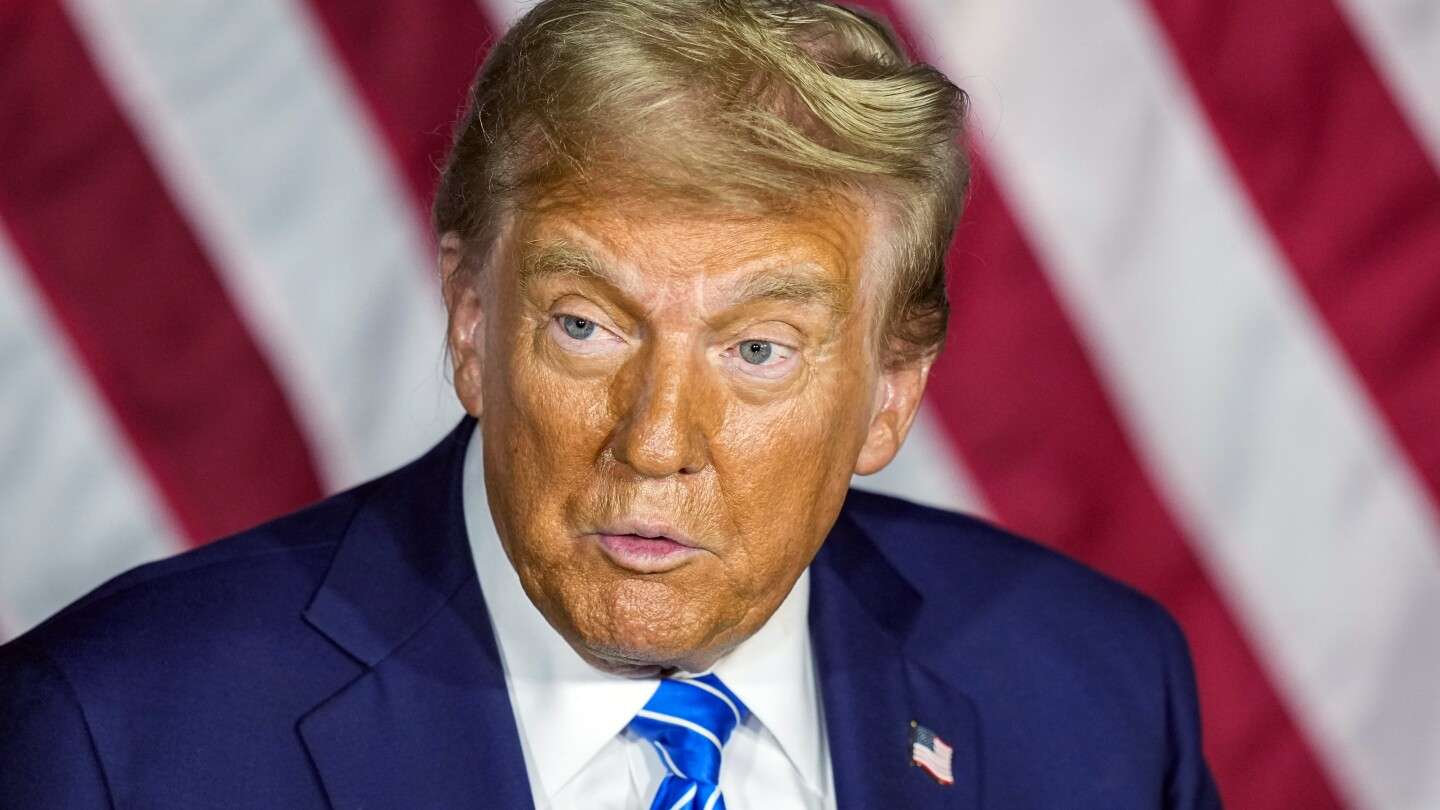
Prosecutors Allege Trump “Resorted to Crimes” to Overturn 2020 Election in New Court Filing

Prosecutors have accused Donald Trump of committing crimes to overturn the results of the 2020 election, according to a newly released court filing. The Special Counsel Jack Smith, appointed to lead the election interference case, argued that Trump is not immune from prosecution despite his claims to protection under a recent Supreme Court ruling.

In the 165-page document made public on Wednesday, prosecutors claim Trump engaged in a “private criminal effort” to challenge the election results. They argue that many of Trump’s alleged actions were not official acts as president but rather connected to his campaign or his role as a private citizen. The filing contends that the Supreme Court’s ruling, which grants immunity for official acts, does not apply to Trump’s efforts to overturn the election.

The document alleges that Trump and his allies, including Rudy Giuliani, sought to exploit the January 6th Capitol riots to delay the certification of Joe Biden’s election victory. Prosecutors presented evidence that Trump had always intended to declare victory, regardless of the election outcome, and knowingly spread false claims about voter fraud. The filing details efforts by Trump’s campaign to challenge ballots in key battleground states, including Michigan, where a Trump operative allegedly sought to fabricate reasons for legal challenges to Biden’s votes.

Prosecutors highlighted several instances of dissent from Mike Pence, Trump’s then vice-president, who repeatedly rejected Trump’s demands to overturn the election results. They also alleged that Trump showed indifference when informed that rioters had endangered Pence’s life during the Capitol insurrection, reportedly responding, “So what?”

Trump’s legal team has dismissed the filing as unconstitutional and riddled with falsehoods, while Trump himself labeled the case a “hit job” on Truth Social. He criticized the timing of the release, with the upcoming 2024 election in mind, accusing prosecutors of misconduct.

The filing provides new evidence and offers the clearest picture yet of the case against Trump, but a trial date has not yet been set. Trump continues to deny any wrongdoing and predicts his “complete victory” in the case.
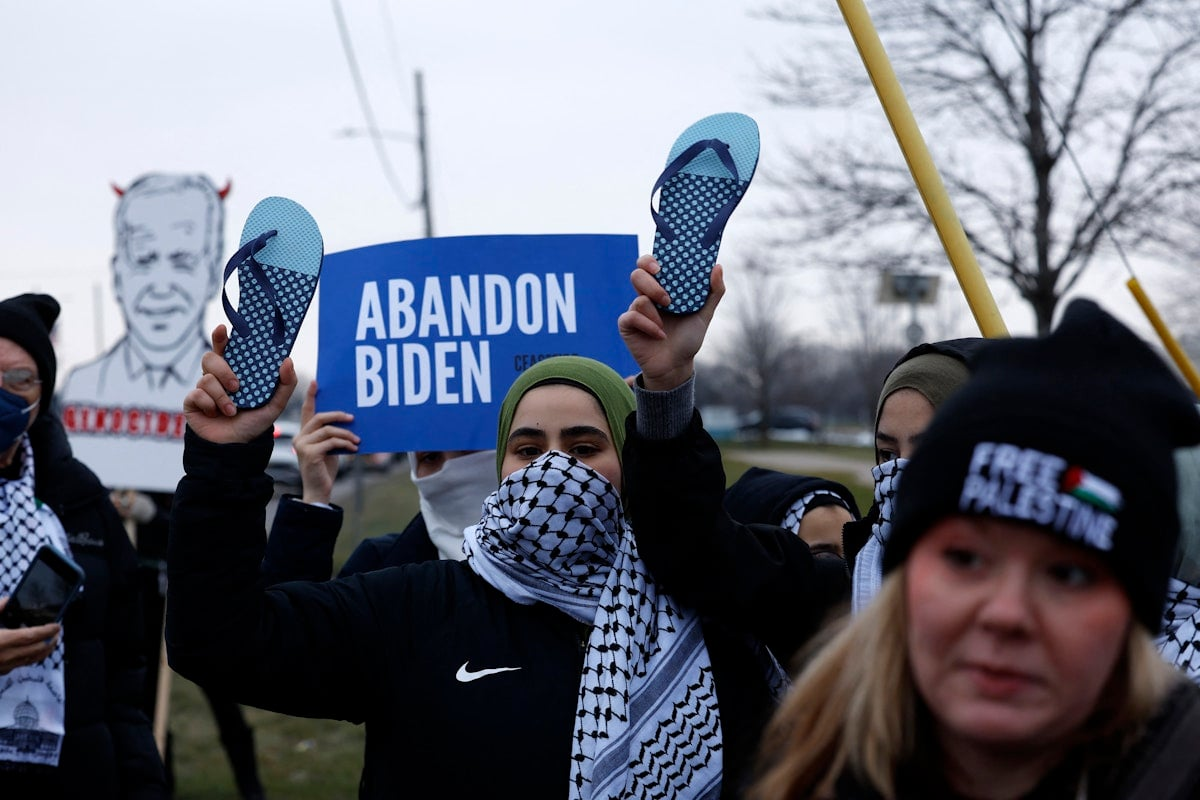
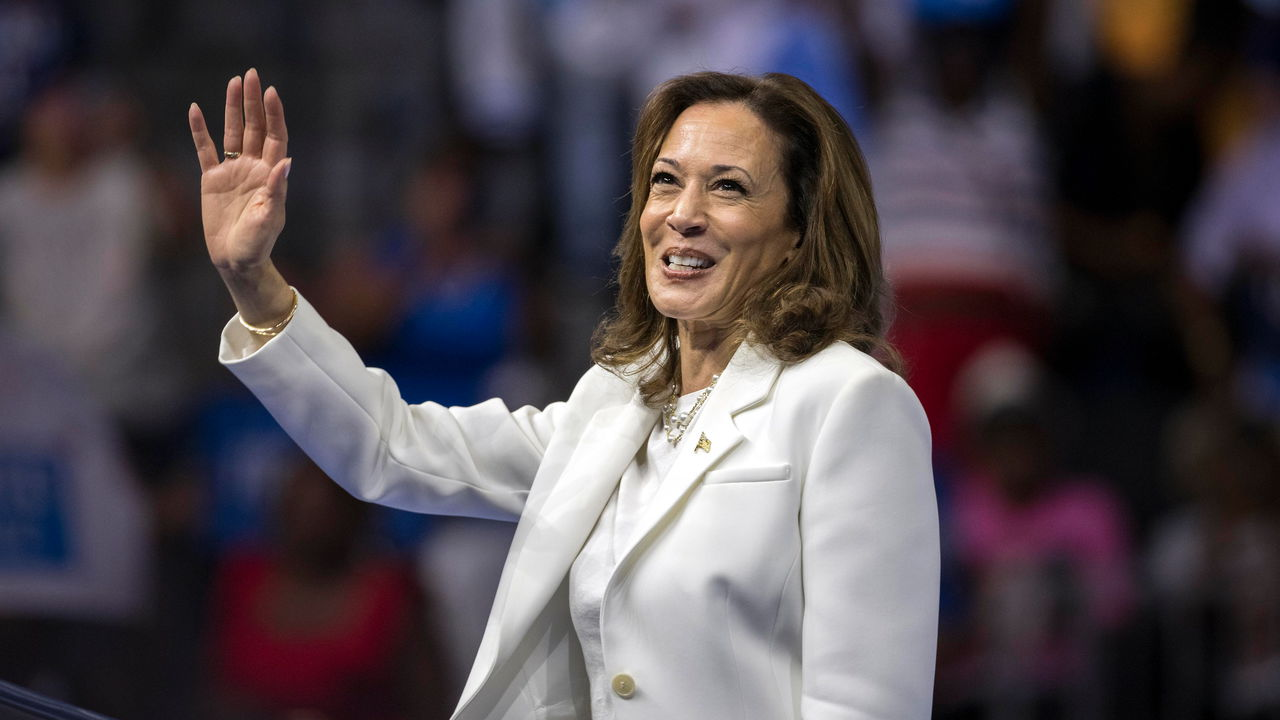
 

Michigan Arab-Americans Voice Opposition to Kamala Harris’ Gaza Stance

In Dearborn, Michigan, a hub for Arab-Americans and home to the first Arab-majority city in the U.S., growing discontent is mounting toward Vice President Kamala Harris over her stance on the Gaza conflict. At the Sahara Restaurant, where Arabic news channels air footage of the ongoing war, many community members, like business owner Sam Hammoud, have voiced their frustration with the Biden administration’s Middle East policy. Hammoud, like many others, feels a personal connection to the conflict, with many calling for a ceasefire that has yet to come.

The Arab-American community, which played a key role in helping Joe Biden secure Michigan in 2020, has warned the Democratic Party not to take their support for granted. Many of these voters now find themselves uncommitted, torn between their long-standing loyalty to the Democratic Party and their dissatisfaction with Harris’ unwavering support for U.S. weapons policies and ties to Israel.

Prominent figures like Soujoud Hamade, president of the Michigan Chapter of the Arab American Bar Association, have openly switched allegiances, with Hamade now supporting Green Party candidate Jill Stein. A poll from the Council on American-Islamic Relations indicates a significant shift in Muslim voters, with 40% backing Stein, while Harris struggles with just 12% support in Michigan. This community, once a reliable Democratic bloc, is increasingly distancing itself due to Harris’ refusal to condemn policies contributing to violence in Gaza.

Adding to the frustration is Harris’ endorsement from former Vice President Dick Cheney, known for his role in the Iraq War, which left deep scars within the Arab-American community. For many like Dr. Maisa Hider-Beidoun, a lifelong Democrat and pharmacy owner, this endorsement is emblematic of how far the party has shifted. The community feels they are in a “moral dilemma” — balancing their identity as law-abiding, tax-paying Americans with the devastation affecting their families in the Middle East, exacerbated by U.S. foreign policy.

Despite Harris’ slight shift in tone, expressing more empathy than President Biden on the humanitarian crisis in Gaza, many Arab-American voters feel that these words are hollow without corresponding actions. The “Uncommitted Movement” within Michigan continues to challenge the Biden-Harris administration, warning that while they oppose Trump, they cannot back a candidate who has contributed to the conflict in Gaza.

Faye Nemer, CEO of the Middle East North American Arab Chamber of Commerce, reflects the community’s anguish. As someone who fled Lebanon due to political violence, she now struggles with the Gaza situation through the lens of her own experiences and the displacement of more than a million people. Many Arab-American voters like Nemer remain undecided or are considering third-party candidates.

Arab-Americans, numbering around 3.5 million in the U.S., represent a critical demographic in swing states like Michigan and Wisconsin. With the 2024 election on the horizon, this community is signaling to Democrats that their votes are no longer guaranteed, and the party must take meaningful steps to address their concerns about U.S. involvement in the Middle East if they hope to retain their support.

Harris Courts Union Workers in Key Swing States with Biden’s Support Amid U.S. Steel Controversy

On Labor Day, Kamala Harris joined President Joe Biden at a rally in Pittsburgh, aiming to solidify support from union workers in critical battleground states like Pennsylvania and Michigan. The event marked the first joint appearance of Harris and Biden since she officially became the Democratic presidential nominee, underscoring the importance of courting working-class voters, a key demographic also being targeted by her opponent, Donald Trump.

Harris voiced concerns over the potential acquisition of U.S. Steel by Japan’s Nippon Steel, stressing the importance of keeping the historic American company under domestic ownership. “U.S. Steel should remain American-owned and American-operated,” she said, aligning her stance with Biden’s pro-union agenda, which has been central to his presidency.

The labor vote remains a pivotal focus for both the Harris and Trump campaigns as they vie for support in swing states like Pennsylvania, where unionized workers hold significant influence. Trump, who did not make any public appearances on Labor Day, has similarly opposed the U.S. Steel deal, framing it as a threat to American jobs and security. The Harris campaign, however, seized the opportunity to mock Trump for his absence, posting on X that he was likely “golfing.”

Despite a Reuters/Ipsos poll showing Harris leading Trump by a slim margin nationally, the race remains tight, with both candidates ramping up their outreach efforts. While Harris is leveraging her campaign to maintain the momentum from her nomination, Trump continues to attract blue-collar voters with his promises of economic nationalism and job protection.

The backdrop of the Gaza conflict, however, loomed over campaign activities. As Harris and Biden met with U.S. hostage negotiation teams in Washington, their administration faced criticism for its approach to the Gaza ceasefire negotiations. Pro-Palestinian activists, opposing U.S. support for Israel, staged large protests, raising the potential for more demonstrations along Harris’s campaign trail in the weeks ahead.

With both campaigns seeking to capture the labor vote while navigating the complexities of international conflicts, the election remains fraught with challenges that could sway voters in unexpected ways.