Yazılar

Harvard Medical School licenses health content to Microsoft for Copilot AI

Harvard Medical School has signed a licensing agreement with Microsoft, giving the tech giant access to its consumer health content on diseases and wellness topics, the university confirmed Wednesday. The deal, made through Harvard Health Publishing, aims to integrate verified medical information into Microsoft’s Copilot AI assistant.

A licensing fee will be paid to Harvard, though financial details were not disclosed. The content will enhance Copilot’s ability to provide accurate, evidence-based health insights, complementing its existing productivity tools like Word and Outlook.

The partnership is part of Microsoft’s broader push to reduce reliance on OpenAI’s models, which currently power much of its AI infrastructure. The Wall Street Journal reported that the new version of Copilot, expected to launch this month, will include Harvard’s content to deliver more reliable answers on medical and wellness topics.

Microsoft has also begun integrating Anthropic’s Claude and is developing its own AI models as part of a strategy to diversify its AI portfolio.

By combining Microsoft’s generative AI with Harvard’s trusted medical expertise, the partnership seeks to make health information more accessible and reliable for everyday users while maintaining accuracy and academic integrity.

OpenAI to Give Content Owners Control Over Sora AI Videos, Plans Revenue Sharing Model

OpenAI is rolling out new tools to give content owners greater control over how their intellectual property is used in Sora, its recently launched AI video-generation app, and plans to introduce a revenue-sharing system for creators who opt in.

In a blog post on Friday, CEO Sam Altman said OpenAI will soon provide “more granular control over the generation of characters” within Sora, enabling rights holders such as film and television studios to decide how their characters can appear—or to block them entirely.

The move comes amid intensifying scrutiny of AI-generated content and growing concern across Hollywood and the creative industries about copyright infringement and the unauthorized replication of proprietary characters and likenesses.

Sora, launched this week as a standalone app in the United States and Canada, allows users to generate and share AI-created videos up to 10 seconds long. Its social-media-style interface quickly gained traction, with users producing clips based on both original and copyrighted material.

Altman acknowledged that the app’s rapid popularity—and the sheer volume of video creation—has outpaced expectations, creating a need for clear rules and compensation mechanisms. “We’ll experiment with different approaches,” he wrote, adding that the revenue-sharing model would evolve through “trial and error” as OpenAI tests various systems within Sora before applying them to its broader suite of AI tools.

At least one major studio, Disney, has already opted out of allowing its characters to appear in Sora-generated videos, sources familiar with the matter told Reuters. Other studios are reportedly reviewing whether to participate under OpenAI’s forthcoming licensing framework.

The company’s initiative could mark a turning point in the relationship between AI firms and content owners, shifting from conflict to collaboration—if a viable monetization model can be found.

Backed by Microsoft, OpenAI’s expansion into multimodal AI via Sora places it in direct competition with Meta’s Vibes and Google’s text-to-video tools, as major tech firms race to define the future of synthetic media creation.

Still, the effort to give rights holders control over how their creations are used—and to share revenue from those uses—reflects a broader recognition that AI’s creative power must coexist with creator compensation and consent.

Indian Ministers Promote Homegrown Alternatives to Google, Microsoft Amid Rising U.S. Trade Tensions

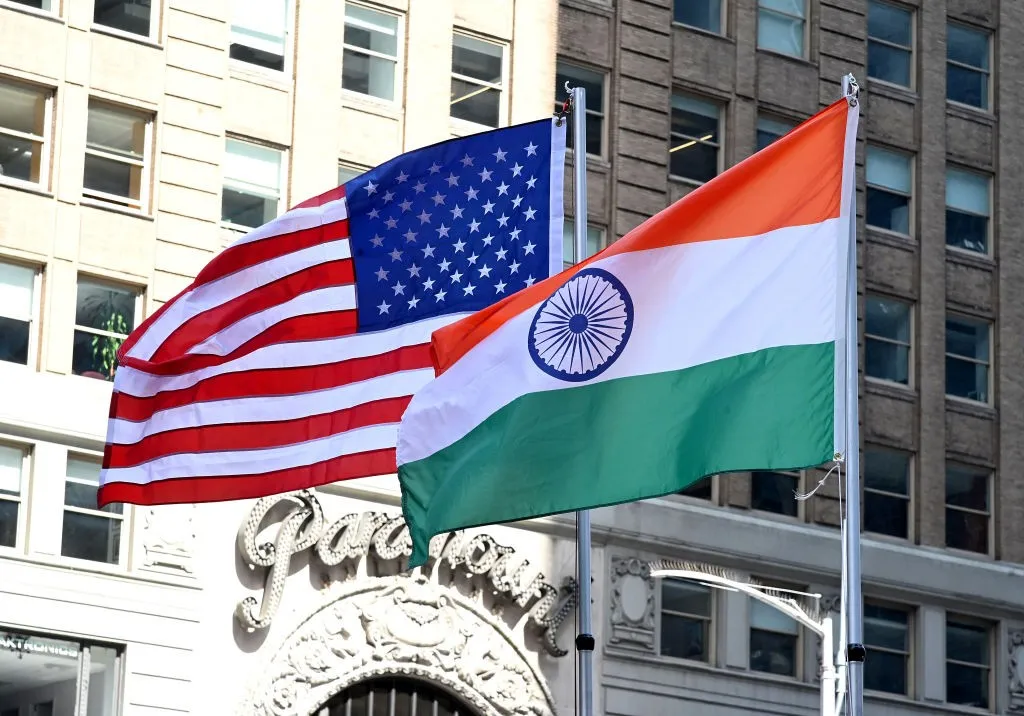
Three senior ministers in Prime Minister Narendra Modi’s cabinet are urging Indians to adopt domestic alternatives to U.S. tech giants like Google, Microsoft, and Meta, marking the strongest government endorsement yet of “Made in India” technology amid escalating trade frictions with the United States.

The push follows Washington’s decision in August to impose 50% tariffs on Indian imports, a move that has fueled nationalist calls for economic self-reliance. Modi has since urged citizens to replace daily-use foreign products with “swadeshi” (indigenous) alternatives, aligning the campaign with his broader vision of digital sovereignty.

This week, Information Technology Minister Ashwini Vaishnaw showcased highway project plans using Zoho software—an Indian rival to Microsoft PowerPoint—and MapmyIndia, instead of Google Maps. “The map is from MapmyIndia, not Google Maps,” he said, smiling. “It’s looking nice, right? Swadeshi.

Vaishnaw’s social media video testing Zoho’s software attracted 6.2 million views on X, urging users to support Indian digital tools. Similarly, Commerce Minister Piyush Goyal and Education Minister Dharmendra Pradhan have promoted Zoho’s messaging app Arattai (“chat” in Tamil), calling it a symbol of India’s technological independence. Goyal posted on X, “So proud to be on @Arattai, a #MadeInIndia messaging platform that brings India closer.”

The campaign appears to be paying off: according to Sensor Tower, Arattai downloads surged from under 10,000 in August to over 400,000 in September, with daily active users doubling to 100,000 by September 26.

Still, experts caution that displacing entrenched global brands such as WhatsApp, Google Maps, and Microsoft Office will be difficult. India remains WhatsApp’s largest market, with more than 500 million users, and U.S. platforms dominate both consumer and enterprise software ecosystems.

Dilip Cherian, co-founder of Perfect Relations, warned that “only state patronage will not be enough.” For Indian challengers like Zoho to succeed, he said, they need “a unique differentiating factor, deep pockets, and strong protection against surveillance.”

Zoho’s billionaire co-founder Sridhar Vembu has become a national symbol of tech self-reliance through his rural-based business model, which runs key operations from small villages rather than major tech hubs.

India’s digital strategy increasingly reflects a geopolitical balancing act: promoting technological independence and data sovereignty while maintaining access to U.S. innovation and investment. Whether apps like Zoho and Arattai can sustain momentum without losing the enthusiasm of government boosters remains an open question.