Yazılar

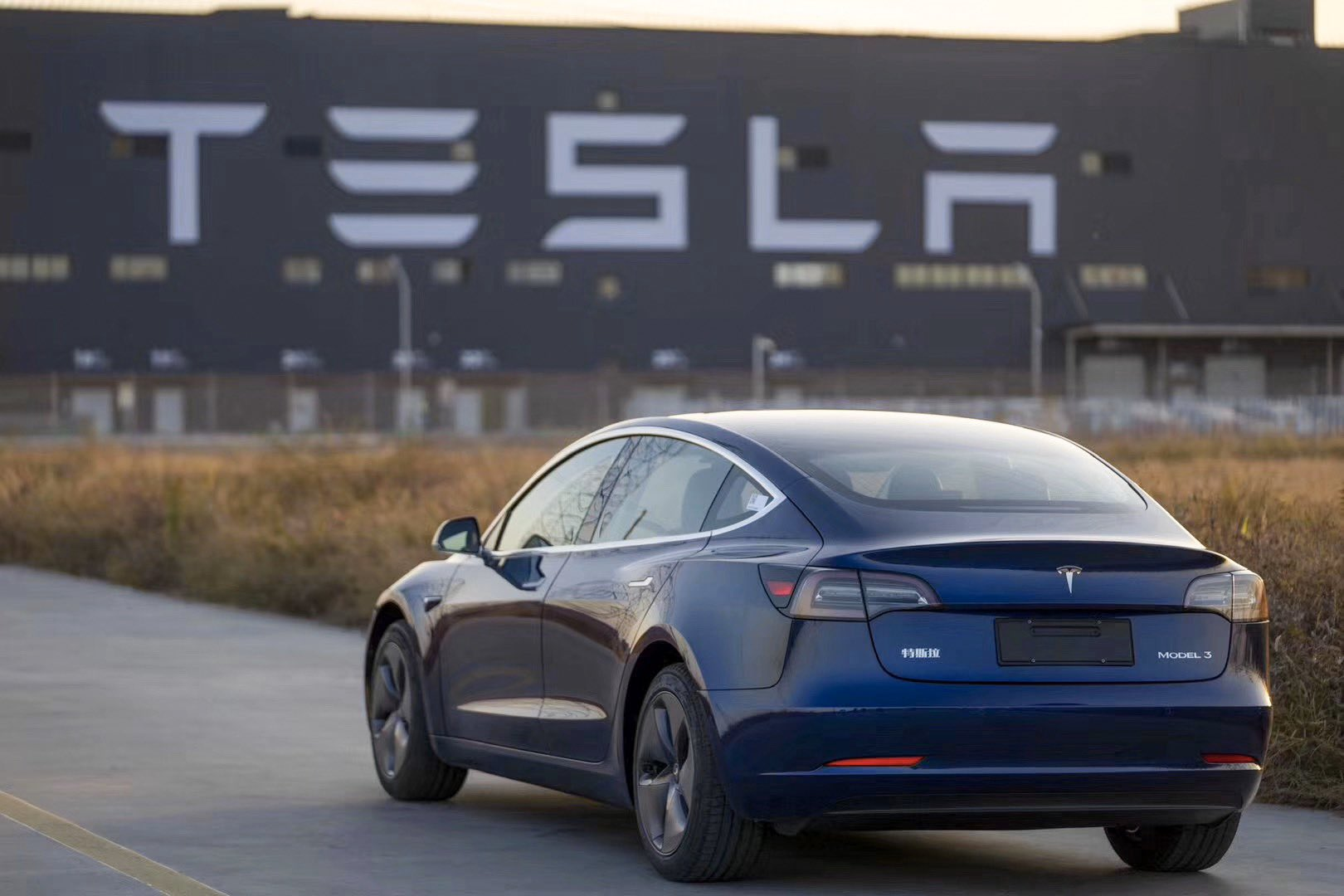
Tesla’s $8.5 Trillion Dream: Musk’s Pay Package Tied to Robots, Robotaxis, and Investor Faith

Tesla’s board has tied Elon Musk’s new trillion-dollar pay package to an extraordinary target: growing the company’s market value to $8.5 trillion over the next decade — a figure that would eclipse today’s giants Microsoft and Nvidia combined.

The Road to $8.5 Trillion

  • Robotaxis: Tesla aims to deploy 1 million autonomous taxis, building a network that could dwarf Uber’s business. ARK Invest forecasts up to $951 billion in annual revenue from ride-hailing by 2029, with Tesla taking a higher cut of fares than rivals.

  • Optimus humanoid robots: Musk says robots could represent 80% of Tesla’s value. To hit profit targets, Tesla might need to sell 100 million robots annually, priced around $25,000 each, generating hundreds of billions in EBITDA.

  • EVs & energy: Tesla’s auto and energy units would still contribute, but analysts agree the bulk of upside must come from next-gen products.

Investor Math

  • Tesla trades at about 75x EBITDA, far higher than most automakers.

  • At that multiple, Tesla would need $113 billion EBITDA for $8.5T valuation — below the $400 billion EBITDA goal in Musk’s package.

  • Current EBITDA: $13 billion (LSEG).

Risks & Reality Check

  • Operational hurdles: Vehicle sales have declined, raising near-term challenges.

  • Market skepticism: Morgan Stanley called Tesla’s $400B EBITDA target “materially more aggressive” than its forecasts, requiring massive contributions from robots and AI markets that barely exist today.

  • Regulatory & technical roadblocks: Scaling robotaxis and humanoid robots will demand breakthroughs in autonomy, safety, and manufacturing.

Why Investors Still Believe

  • Narrative power: Tesla is valued as a growth story, not an automaker.

  • Long-term optionality: Robotaxis and robots represent potential trillion-dollar markets.

  • Alignment: Tying Musk’s pay to performance reassures some investors that bold bets are necessary to reverse slowing growth.

As Will Rhind of GraniteShares put it: “There are big operational hurdles Tesla does need to accomplish… so why not tie the CEO’s compensation to reversing some of those trends?”
Nebius Hits Record High After $17.4B Microsoft AI Deal

Nebius Group’s (NBIS.O) shares surged 43% to a record $91.75 on Tuesday after striking a $17.4 billion, five-year deal with Microsoft to supply AI infrastructure. The contract could rise to $19.4 billion if Microsoft scales up demand, making it one of the largest partnerships in the rapidly growing AI data center sector.

Deal Impact

  • Nebius will supply dedicated GPU infrastructure from its new Vineland, New Jersey data center, starting later this year.

  • Microsoft has been facing AI cloud shortages and is relying on external providers like Nebius and CoreWeave to meet client demand.

  • Rival CoreWeave’s shares rose 4.4% in parallel, reflecting investor optimism for the broader AI cloud sector.

Market Significance

  • Nebius stock has more than doubled in 2025, driven by global AI demand and investor enthusiasm.

  • Analysts said the deal de-risks Nebius’ capacity expansion and cements its position as a key supplier to hyperscalers and AI labs.

  • BWS Financial analyst Hamed Khorsand called it “unprecedented clarity on long-term revenue potential.”

Strategic Outlook

  • The agreement builds on Nebius’ full-stack AI cloud model, which provides Nvidia-powered computing, storage, and developer tools.

  • CEO Arkady Volozh said the deal will accelerate AI cloud growth from 2026 onward, reinforcing Nebius’ expansion strategy.

  • Founded from the spinoff of Yandex assets, Amsterdam-based Nebius is now seen as a leading independent AI infrastructure provider.

Microsoft to Enforce Three-Day Office Work Policy Starting 2026

Microsoft (MSFT.O) announced on Tuesday that it will require employees to work from office at least three days a week starting in 2026, marking one of the company’s biggest shifts in post-pandemic workplace policy.

Rollout Plan

  • The return-to-office mandate will be introduced in three phases:

    1. Employees near Redmond, Washington headquarters.

    2. Other U.S. locations.

    3. International offices.

  • Staff living within 50 miles of Redmond HQ must comply by February 2026, with timelines for other regions to follow.

Industry Trend

  • Microsoft joins tech giants like Amazon in scaling back remote work flexibility as firms seek to strengthen collaboration and culture.

  • Many companies shifted to remote setups during the pandemic but are now rolling back WFH policies amid productivity and cohesion concerns.

Company Statement

Amy Coleman, Microsoft’s Chief People Officer, said in a blog post that the phased plan is meant to give employees time to adjust while aligning with Microsoft’s long-term vision for a hybrid work model.