Yazılar

Amazon Set to Launch Premium Tier of AI-Enhanced Alexa Devices

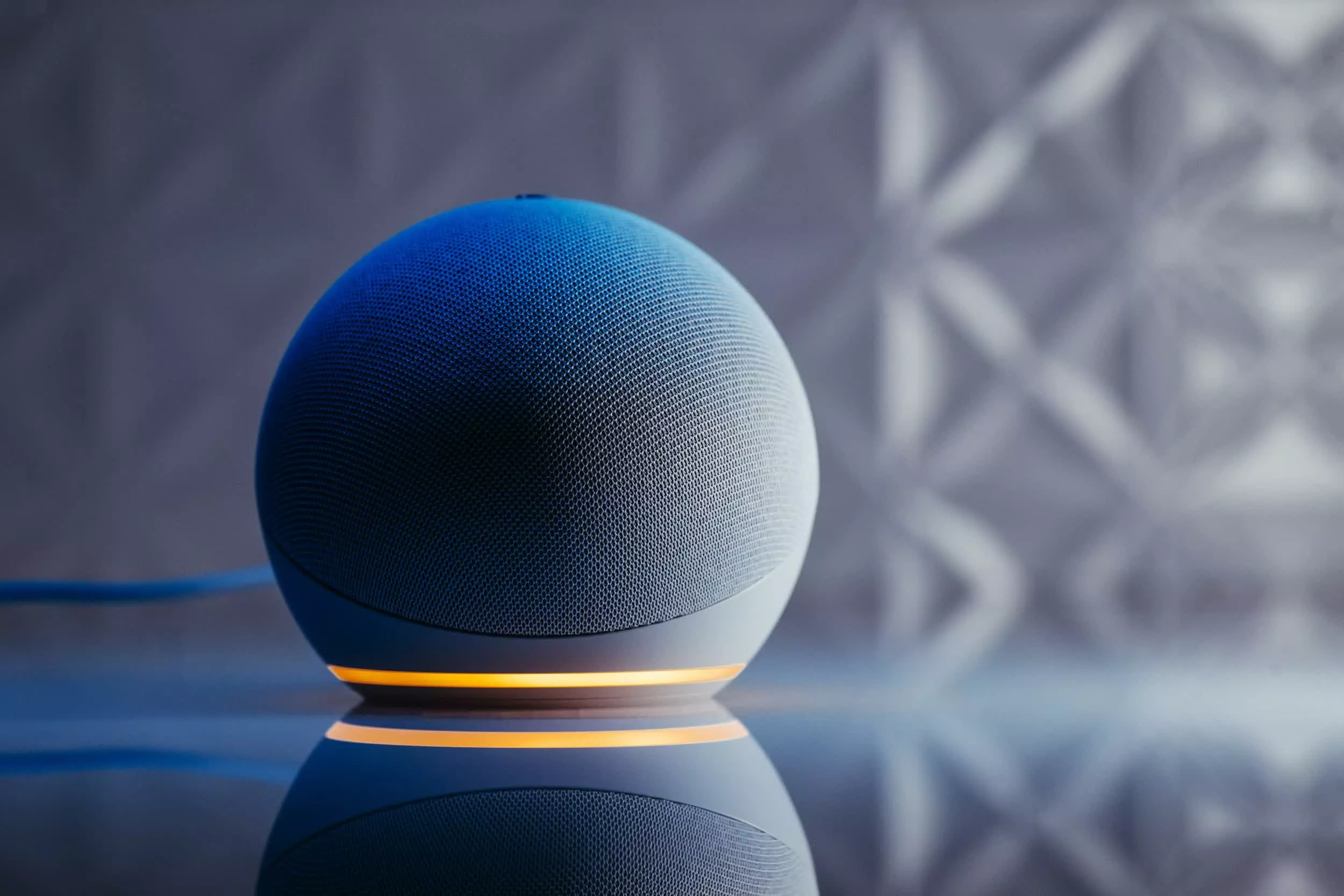
Amazon is taking its Alexa ecosystem to the next level with plans to introduce a premium tier of AI-powered devices, according to Panos Panay, the head of Amazon’s device division. This new range of higher-end gadgets is intended to complement the existing lower- and mid-priced products, offering consumers a broader range of options. The move comes as Amazon looks to reignite interest in its Alexa franchise, which has seen its dominance in the smart home space decline in recent years. By adding premium devices, Amazon hopes to generate renewed excitement and offer more refined experiences for those looking for top-tier smart gadgets.

Panay emphasized that Amazon is not just focusing on making these premium devices more expensive, but also on improving the overall experience with reengineered hardware. From upgraded silicon to more sophisticated design and materials, Amazon plans to ensure that all tiers—whether “entry, core, or signature”—receive the same level of care. The result, he promised, will be better sound quality, enhanced battery life, and advanced security features. In an interview with Bloomberg News, Panay made it clear that Amazon’s goal is perfection in every product, stating, “There won’t be a corner cut. It won’t matter if we tried it before. It won’t matter what you thought it used to be.”

At the heart of these new devices will be Alexa+, Amazon’s upgraded AI operating system. Alexa+ will leverage advanced “edge-processing” chips, which will allow the devices to handle more AI tasks locally, rather than relying on cloud processing. This could lead to faster response times and greater privacy, as less data would need to be sent to Amazon’s servers. By mirroring Apple’s approach with more localized processing, Amazon is setting up Alexa devices to deliver a more seamless and secure user experience.

Ultimately, the goal for this next-generation Alexa ecosystem is to create a more fluid experience as users interact with multiple devices. Panay envisions an interconnected system where each Alexa-powered device works together seamlessly, improving the overall utility and enjoyment for users. With new and exciting devices currently in development, Amazon is positioning itself to lead the next wave of AI-powered home technology.

Microsoft Scales Back on Data Center Leases Amid AI Spending Concerns

Microsoft has pulled back from leasing new data center capacity in the U.S. and Europe, abandoning projects that would have used 2 gigawatts of electricity over the past six months. According to analysts at TD Cowen, the tech giant’s decision is driven by an oversupply of data center capacity relative to its current demand forecast, particularly in light of its shifting approach to supporting OpenAI’s ChatGPT workloads.

Shifting Focus and Market Impact

Investor skepticism has risen regarding the large-scale artificial intelligence (AI) investments made by U.S. tech giants, partly due to slower-than-expected returns and competition from Chinese startup DeepSeek, which offers AI solutions at significantly lower costs. As part of its pullback, Microsoft has decided not to support additional AI workloads, particularly those associated with OpenAI’s ChatGPT, a move that has been closely watched by industry analysts.

Microsoft’s withdrawal from certain data center projects has led to competitors stepping in to fill the void. Alphabet’s Google and Meta Platforms have moved to backfill the data center capacity, with Google focusing on international markets and Meta stepping in for U.S. projects. Despite these shifts, Microsoft remains committed to growing its infrastructure, with plans to invest $80 billion in AI infrastructure during this fiscal year, in line with its ongoing AI strategy.

Continuing Investment and Future Outlook

While Microsoft’s share price saw a slight decline of over 1% on Wednesday, the company reassured investors that its infrastructure growth plans will remain strong across all regions. The company has already scrapped leases with at least two private data center operators, a decision that aligns with its strategic pacing and adjustments to its AI needs.

Executives from both Microsoft and Meta defended their massive AI investments after the reveal of DeepSeek’s cost-effective technology in January, emphasizing that these investments are crucial to remaining competitive in the rapidly evolving AI space. Alphabet has also committed to increasing its AI spending this year, planning $75 billion, a 29% increase over Wall Street’s expectations.

Conclusion

Microsoft’s decision to scale back on data center leases highlights the evolving landscape of AI infrastructure spending, as companies adjust their strategies in response to market competition and changing demand. Despite this pullback, Microsoft’s commitment to AI remains strong, with a continued focus on investing heavily in the technology’s future.

PsiQuantum Raising $750 Million to Advance Quantum Computing Technology

PsiQuantum, a quantum computing startup, is in the process of raising at least $750 million at a $6 billion pre-money valuation, as reported by sources familiar with the matter. BlackRock is reportedly leading the fundraising initiative, which has not yet been finalized.

The company distinguishes itself from other quantum computing startups by modifying traditional manufacturing techniques from the semiconductor industry, using existing photonics technology. This technology, commonly used for fiber-optic communications, is being applied at a factory operated by GlobalFoundries in New York. PsiQuantum aims to produce millions of quantum chips, with plans to scale production significantly, a process that requires substantial investment.

Quantum computing is poised to solve problems that would be impossible for conventional computers, such as simulating molecular interactions and predicting material behaviors. This technology holds the potential to revolutionize fields like battery development and drug discovery. Major tech companies, including Alphabet’s Google, Microsoft, and Amazon, are also pursuing quantum computing, with Nvidia recently announcing plans for a quantum computing research center in Boston.

PsiQuantum has partnerships with the U.S. and Australian governments to build quantum computers in Chicago and Brisbane, respectively. Despite the long-standing history of quantum computing, advancements have only recently been made in reducing errors and improving chip reliability. PsiQuantum aims to have a functional quantum machine by 2029, a goal echoed by Google, which predicts useful quantum applications within the next five years.