
Yazılar

Anduril to Take Over Microsoft’s $22 Billion US Army Headset Program

Anduril, a defense technology startup founded by Palmer Luckey, will assume control over the development and production of Microsoft’s $22 billion Integrated Visual Augmentation System (IVAS) program for the U.S. Army, the companies confirmed on Tuesday. Under the new agreement, Anduril will manage production, future hardware and software development, and oversee delivery timelines for the project.

The IVAS program aims to equip soldiers with a mixed-reality headset that combines augmented reality (AR) and virtual reality (VR) to enhance situational awareness and support the command of unmanned systems. As part of the deal, Microsoft Azure will serve as Anduril’s preferred hyperscale cloud platform for all workloads related to IVAS and Anduril’s AI technologies.

Microsoft initially developed its HoloLens technology for use in military headsets in collaboration with the U.S. Army, but Anduril will now take the lead in its execution. The agreement is still awaiting approval from the U.S. Department of Defense.

Luckey, who previously founded Oculus VR, which was acquired by Facebook in 2014 for $2.3 billion, is no stranger to the defense sector. Anduril has also formed partnerships with OpenAI and Palantir to leverage defense data for artificial intelligence training, further strengthening its position in the military tech space. The news comes as Anduril is reportedly in talks for a new funding round that could push the company’s valuation to $28 billion.
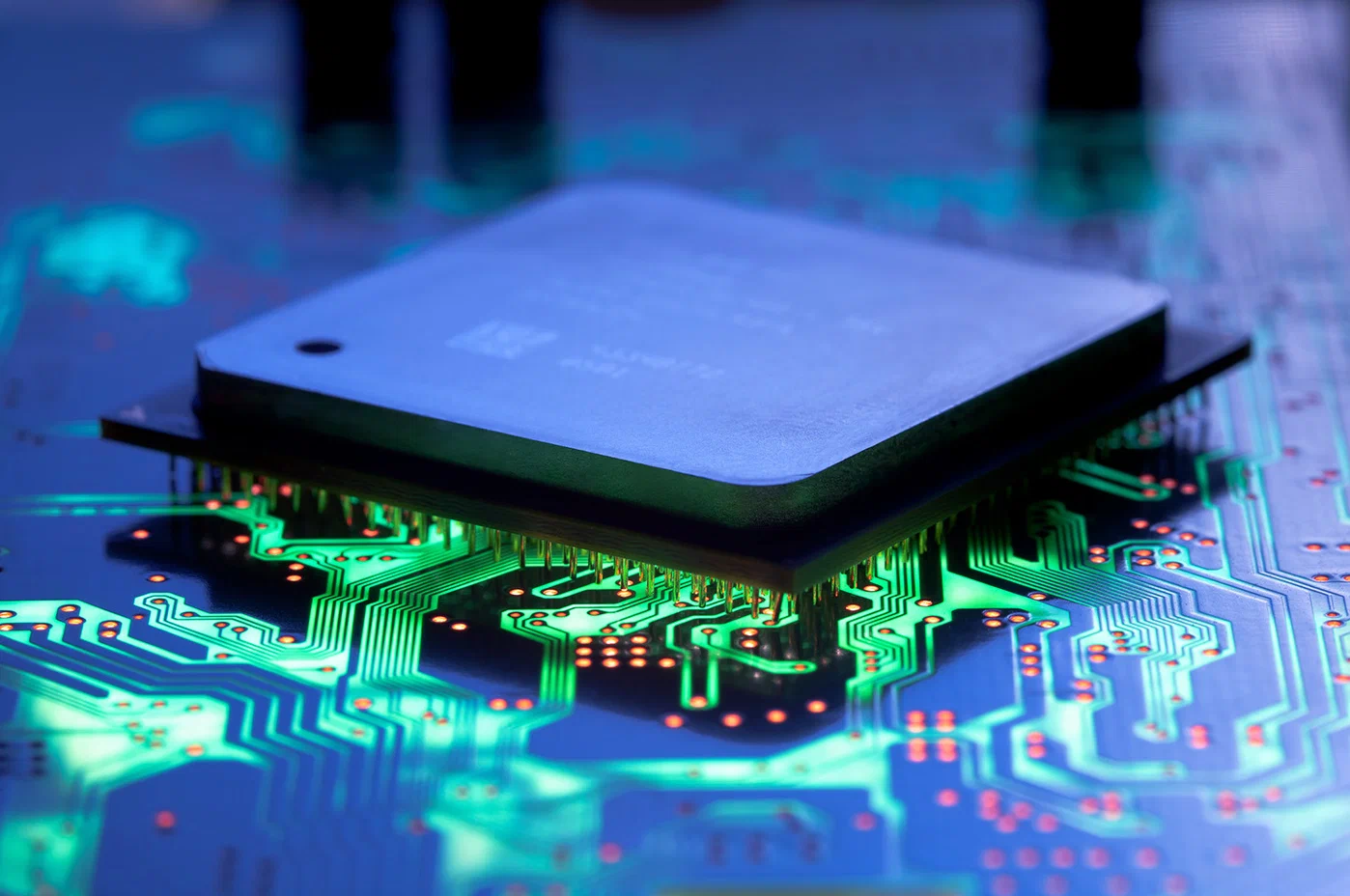
AI Chip Startup Positron Raises $23.5 Million to Challenge Nvidia

Positron, a startup aiming to rival Nvidia in the artificial intelligence (AI) chip market, announced on Tuesday that it has raised $23.5 million in a seed funding round. Investors in the round included Valor Equity Partners, known for its support of Elon Musk’s ventures, along with Atreides Management, Flume Ventures, and Resilience Reserve.

Focus on Efficiency and Inference:

Positron’s chips are manufactured in Arizona and are designed to use less than a third of the power of Nvidia’s leading H100 graphical processing units (GPUs) while offering similar performance. The company’s chips are specifically intended for AI inference, the phase where AI models are utilized, as opposed to training the models. Although demand currently leans toward training chips, analysts forecast that the need for inference chips will rise as more AI applications are developed.

Industry Shift and Rising Costs:

With major players like OpenAI, Google, and Meta investing heavily in AI infrastructure, the demand for chips is expected to grow significantly. Meta, for example, has pledged to spend up to $65 billion this year, while Microsoft plans to invest $80 billion. OpenAI also announced a $500 billion Stargate infrastructure project. Despite Nvidia’s dominance, holding around 80% of the market, rising costs and concerns about over-reliance on a single supplier have pushed companies such as Microsoft, Meta, and OpenAI to seek alternative solutions, both in-house and externally.

Microsoft Adjusts Office-Teams Pricing to Avoid EU Antitrust Fine

Microsoft is making changes to the pricing structure of its Office product bundled with Teams, aiming to avoid a potential EU antitrust fine, according to sources familiar with the matter. This adjustment comes in response to complaints from competitors, including Salesforce-owned Slack and German rival alfaview, who raised concerns about Microsoft’s practice of bundling its chat and video app, Teams, with Office.

Teams, added to Office 365 in 2017, became particularly popular during the pandemic as a video conferencing tool, replacing Skype for Business. Microsoft’s new pricing strategy, introduced in 2023, unbundles Teams from Office, offering Office without Teams at a lower price (2 euros cheaper) and selling Teams as a standalone service for 5 euros per month. The aim is to create more competitive pricing, enabling rivals to offer their products at more attractive rates.

The European Commission has been seeking feedback from industry stakeholders, with a deadline for responses this week, before deciding whether to launch a formal market test. Microsoft has also reportedly proposed improved interoperability terms to help competitors in the space.

Both the EU competition authority and Microsoft declined to comment. The Commission’s investigation could lead to a fine of up to 10% of Microsoft’s global annual revenue, which could be significant, considering the company’s history with EU antitrust cases, including a 2.2 billion euro fine in the early 2000s for bundling products. If the EU accepts Microsoft’s offer, it could clear the path for other investigations, such as those involving Apple and Google.