Yazılar

Emirati Billionaire to Invest $20 Billion in U.S. Data Centers, Announces Trump

Emirati billionaire Hussain Sajwani, the chairman of Dubai-based real estate developer DAMAC, has committed to investing $20 billion in the rapidly growing U.S. data center industry. Sajwani made the announcement on Tuesday during a meeting with U.S. President-elect Donald Trump at his Palm Beach, Florida estate, Mar-a-Lago.

The planned investment is part of a broader effort to bolster the U.S. economy, with Trump emphasizing the importance of strengthening domestic industries. The announcement comes amid Trump’s focus on economic policies that seek to curb China’s access to key technology, including chips used for advanced data centers. In his remarks, Sajwani expressed a willingness to increase the investment beyond the initial $20 billion if market conditions permit, stating, “We’re planning to invest $20 billion and even more than that, if the opportunity in the market allows us.”

Sajwani’s company, DAMAC, has already made its mark in the Middle East by owning the region’s only Trump-branded golf course in Dubai, which opened in 2017. The billionaire’s connection with Trump has grown closer, with the two having celebrated the New Year together in Florida.

While Trump has a history of promoting large investments for economic growth, the outcomes have sometimes been less substantial. For instance, a promised $10 billion Foxconn factory investment in Wisconsin, announced early in Trump’s first term, resulted in a project that was ultimately scaled back and left many promises unmet.

Sajwani’s announcement follows recent moves by other major investors, including SoftBank Group’s CEO Masayoshi Son, who, in collaboration with Trump, committed to a $100 billion investment in the U.S. over the next four years, focusing on AI. The surge in investments in AI and its supporting infrastructure, such as data centers, follows the introduction of OpenAI’s ChatGPT in late 2022, which sparked a wave of interest in generative AI technologies.

Microsoft also revealed plans to invest about $80 billion in the U.S. this fiscal year to expand its AI capabilities. The Biden administration has increasingly restricted the export of AI chips to China, aligning with Trump’s foreign policy stance and recent nominations of China hard-liners to key diplomatic and economic roles.

Amazon to Invest $11 Billion in Georgia for AI and Cloud Computing Infrastructure

Amazon Web Services (AWS), the cloud computing division of Amazon, has announced a significant $11 billion investment in Georgia to enhance its infrastructure and support the growing demand for AI technologies and cloud computing services. This move is part of a broader trend where major tech companies are allocating large sums to develop infrastructure that can accommodate the increasing needs of artificial intelligence.

The investment in Georgia will focus on data centers in Butts and Douglas counties, with Amazon expecting the project to create at least 550 new high-skilled jobs. These centers will support AI-driven innovations and cloud-based applications, which require substantial computing power. The demand for specialized data centers is rising as AI applications, such as machine learning and generative models, rely on clusters of chips to process vast amounts of data.

The growth in AI and cloud services has also led to an increase in electricity consumption in the U.S., as AI data centers consume large amounts of energy. According to an analysis by the Electric Power Research Institute, data centers could account for up to 9% of the total electricity generated in the U.S. by the end of the decade, depending on AI adoption rates. To meet this demand, Amazon has secured power supply agreements with U.S. utilities, including Talen Energy in Pennsylvania and Entergy in Mississippi.

This investment follows similar moves by other tech giants, such as Microsoft’s announcement to invest $80 billion in the development of data centers for AI models and applications. These initiatives underline the critical need for robust infrastructure to sustain the rapid growth of AI technologies.


US Supports Musk’s Argument in Lawsuit Against OpenAI

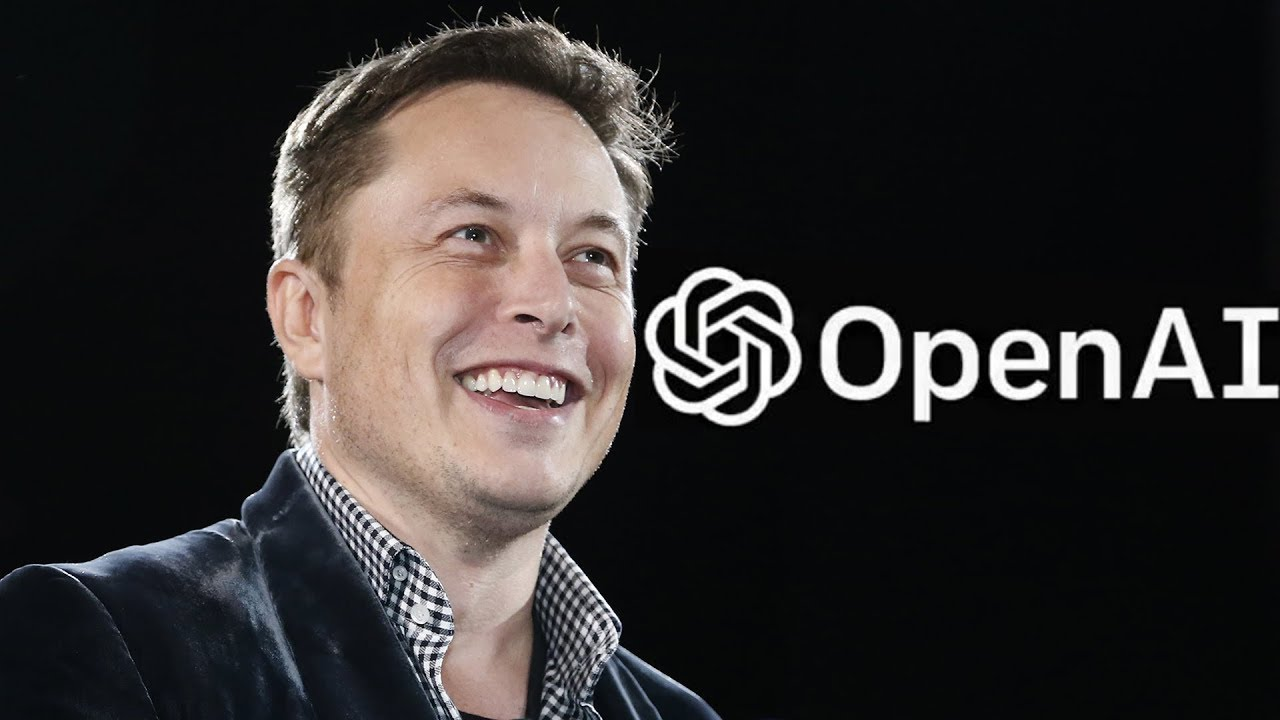
U.S. antitrust regulators have weighed in on Elon Musk’s lawsuit seeking to block OpenAI’s transition into a public company, reinforcing his claims that OpenAI and Microsoft engaged in anticompetitive practices. Although the Federal Trade Commission (FTC) and the Department of Justice (DOJ) did not express a direct opinion on the lawsuit, they provided legal analysis that backs Musk’s argument ahead of a crucial hearing in Oakland, California.

Musk, who co-founded OpenAI and owns AI startup xAI, alleges that OpenAI violated antitrust laws by requiring investors to avoid funding rival artificial intelligence companies and by sharing board members with Microsoft, which is also named in the lawsuit. The lawsuit asserts that these actions harmed competition in the AI market.

In response, OpenAI dismissed the lawsuit, claiming that Musk’s allegations lack evidence and are merely harassment. The company also argued that the claims regarding board member affiliations were irrelevant, as two former Microsoft-affiliated board members—Reid Hoffman and Deannah Templeton—are no longer associated with OpenAI.

However, the FTC and DOJ emphasized that even former board members could still possess sensitive competitive information, which could have implications for antitrust law violations. The authorities also stated that a group investor boycott, as Musk alleges, could be illegal even if the organizer was not a direct investor, reinforcing Musk’s claims of anticompetitive conduct.

The FTC is currently investigating partnerships in AI, including the collaboration between OpenAI and Microsoft, to determine if there have been violations of antitrust or consumer protection laws.