Yazılar

NASA Teams Up with Microsoft to Launch Earth Copilot AI for Easier Earth Data Access

NASA, in partnership with Microsoft, has unveiled Earth Copilot, an AI-powered tool designed to simplify access to complex Earth science data. This innovative chatbot leverages artificial intelligence to interpret and summarise NASA’s vast geospatial datasets, making them easier for the public to understand and utilise. By providing answers to user queries on topics like air quality changes or the environmental effects of natural disasters, Earth Copilot bridges the gap between NASA’s scientific expertise and users who may lack technical knowledge. The tool’s primary aim is to democratise access to data, empowering a broader audience to engage with Earth science insights.

This initiative aligns with NASA’s broader mission to make its scientific resources more widely accessible. Tyler Bryson, Corporate Vice President for Health and Public Sector Industries at Microsoft, highlighted the challenges many users face in navigating NASA’s technical databases. These repositories often require advanced geospatial knowledge to extract meaningful insights. Earth Copilot addresses this issue by harnessing AI to deliver concise, accurate answers within seconds, removing barriers that previously limited access to critical Earth science information.

Currently, Earth Copilot is undergoing rigorous testing by NASA scientists and researchers to ensure its accuracy and reliability. Once validated, the tool will be integrated into NASA’s existing Visualisation, Exploration, and Data Analysis (VEDA) platform. VEDA is already a hub for public access to NASA’s datasets, and Earth Copilot’s capabilities could significantly enhance the platform’s usability, especially for non-expert users seeking quick and straightforward insights from complex data.

By merging cutting-edge AI with NASA’s unparalleled Earth science expertise, Earth Copilot represents a major step forward in data accessibility. The tool not only simplifies the way users interact with scientific data but also supports NASA’s goal of fostering a more informed and engaged global community. Whether for researchers, policymakers, or curious individuals, Earth Copilot has the potential to transform how people explore and understand the dynamic changes happening on our planet.

Microsoft to Discontinue Windows Mail, Calendar, and People Apps in Favor of Outlook

Microsoft has officially announced that it will end support for the Windows Mail, Calendar, and People apps by the end of this year, marking a significant shift in how the company handles its email and scheduling tools. Instead of relying on separate apps for each service, Microsoft is directing users to its new Outlook for Windows app, which consolidates emails, calendar events, and contacts into a single, unified platform. This change is part of Microsoft’s broader effort to streamline its productivity offerings and encourage users to embrace the enhanced capabilities of Outlook.

According to a blog post from Microsoft, the company has decided to phase out the Mail, Calendar, and People apps to make way for a more integrated experience within Outlook. The redesigned Outlook app boasts a simpler user interface along with a host of new features designed to improve efficiency. After December 31, users will no longer be able to send or receive emails through the existing Mail and Calendar apps. Microsoft is encouraging users to transition to Outlook for continued access to their email, calendar, and contact management services.

For users who are concerned about the transition, Microsoft has assured them that local data such as emails, calendar events, and contacts stored in the Mail, Calendar, and People apps will still be exportable. This means that users can back up their information before fully migrating to Outlook. Additionally, Microsoft is providing flexibility by allowing users who are not interested in the Outlook app to revert to the older Mail and Calendar apps, though they will lose support and updates.

The new Outlook for Windows app will support a variety of email accounts, including those hosted by Microsoft (like Outlook and Hotmail), as well as work and school accounts. The app will also be compatible with third-party services such as Gmail, Yahoo, and iCloud through the Internet Message Access Protocol (IMAP), ensuring that users have access to a wide range of email platforms within the new ecosystem. This move signifies Microsoft’s commitment to improving the user experience by focusing on a single, powerful app for managing multiple communication and scheduling needs

Microsoft Outlook Introduces AI-Driven Personalized Dynamic Themes

Microsoft Outlook Introduces AI-Driven Dynamic Themes for Personalization
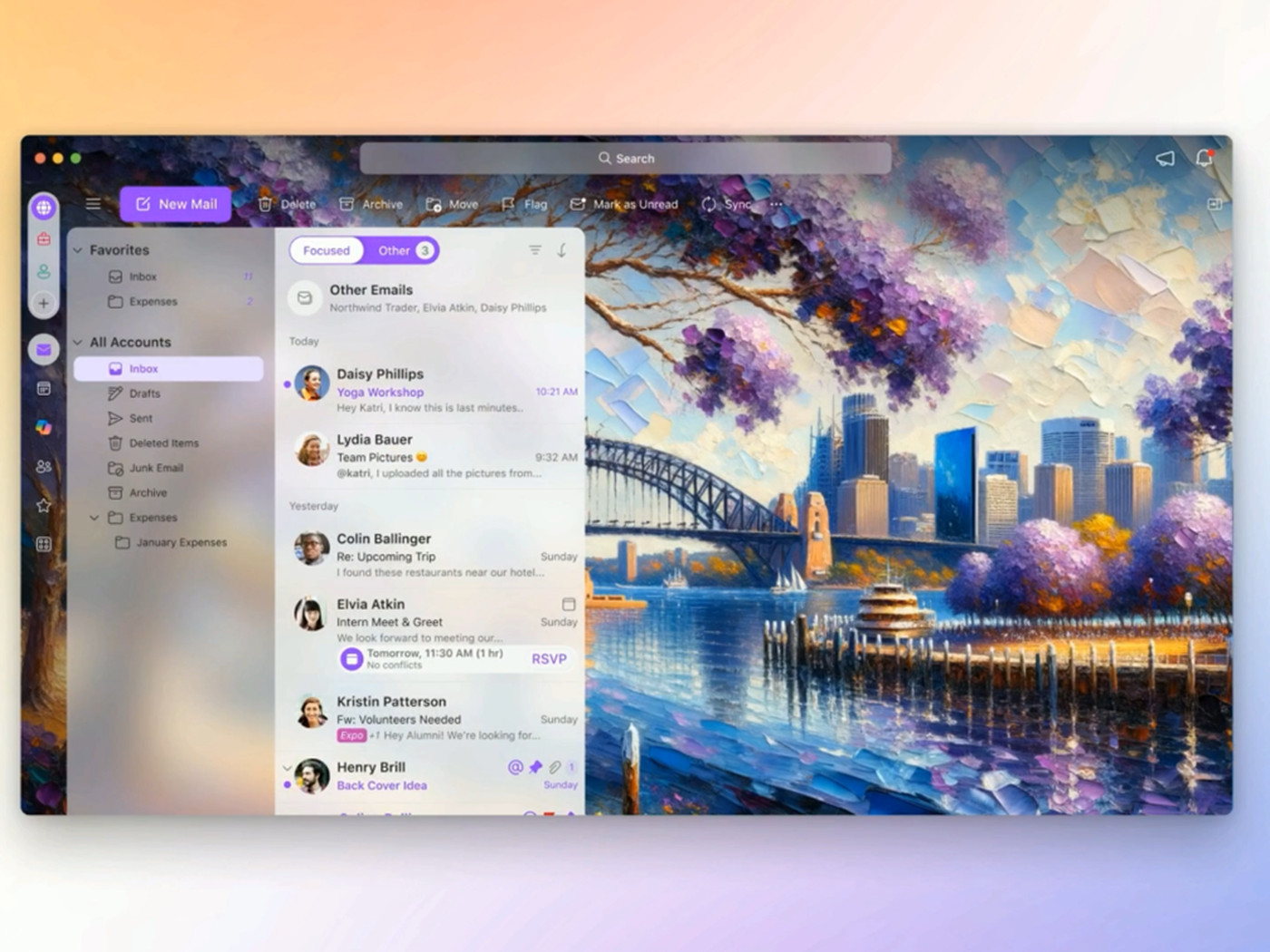
Microsoft Outlook has introduced a new feature called “Themes by Copilot,” which leverages artificial intelligence (AI) to provide users with dynamically updating themes. Announced on Thursday, the feature allows users to create personalized themes that change automatically based on real-world conditions such as weather or location. The rollout is currently available for individual accounts subscribed to Copilot Pro and business accounts with the Copilot add-on. In addition, Microsoft is launching static themes for all users who do not have access to Copilot.

Enhanced Customization Through AI
The introduction of Themes by Copilot marks a significant step in Outlook’s evolution toward a more interactive and personalized email experience. This feature builds on Microsoft’s September 2023 redesign of Outlook and represents the first integration of dynamic themes into the platform. Users can engage the AI chatbot to create unique themes tailored to their preferences, making the email client more visually engaging and aligned with individual styles.

Dynamic Themes Inspired by Real-World Conditions
The dynamic themes generated by Copilot are designed to reflect various real-world elements, including weather and geographic locations. Users can choose from 100 pre-set global locations or specify a custom location. Based on the selected input, the AI generates a theme inspired by the locale, offering a visually rich and ever-changing experience. For example, users might see sunny hues for clear weather or moody tones for a rainy day, providing a connection between their digital workspace and the world outside.

Expanding Accessibility and User Experience
For users without access to Copilot, Microsoft is also rolling out a selection of static themes to enhance the visual customization of Outlook. This move ensures that personalization options are available to all users, regardless of subscription tier. The introduction of dynamic and static themes reflects Microsoft’s broader commitment to integrating AI tools into its ecosystem, enhancing both functionality and user engagement. These updates signal a continued focus on innovation within the productivity software space.