
Yazılar

OpenAI Releases Text-to-Video AI Model “Sora” for ChatGPT Plus and Pro Users

OpenAI has officially launched “Sora,” its advanced text-to-video artificial intelligence model, for ChatGPT Plus and Pro users, signaling a significant expansion into multimodal AI technologies. The model, which generates videos from text descriptions, is seen as a direct competitor to similar offerings from Meta, Google, and Stability AI’s Stable Video Diffusion.

Initially introduced in February 2023 during a limited research preview phase, Sora is now accessible as Sora Turbo at no additional cost to eligible users. In a blog post, OpenAI revealed plans to implement tailored pricing for different user types starting early next year.

With Sora, users can create videos of up to 20 seconds in 1080p resolution across widescreen, vertical, or square aspect ratios. However, its availability is geographically restricted; it will not be accessible in EU countries, the UK, or Switzerland at launch, though users in other regions where ChatGPT operates will have access.

Safety Measures and Restrictions

OpenAI emphasized its commitment to preventing misuse of the technology. Sora will block the creation and upload of harmful content, including child sexual abuse material and explicit deepfakes. The company also plans to roll out features allowing uploads of people cautiously, refining its safeguards against deepfake misuse as adoption grows.

Targeting Competitors in the Multimodal AI Space

Sora’s release comes as OpenAI steps up competition with industry players like Meta, Alphabet (Google), and Stability AI, which have also launched text-to-video solutions. Microsoft, OpenAI’s primary backer, is expected to integrate these advanced capabilities into its ecosystem, bolstering its position in the generative AI market.

The launch of Sora reflects OpenAI’s ambition to remain at the forefront of generative AI innovations, catering to both creative and professional use cases while addressing the ethical challenges of the technology.
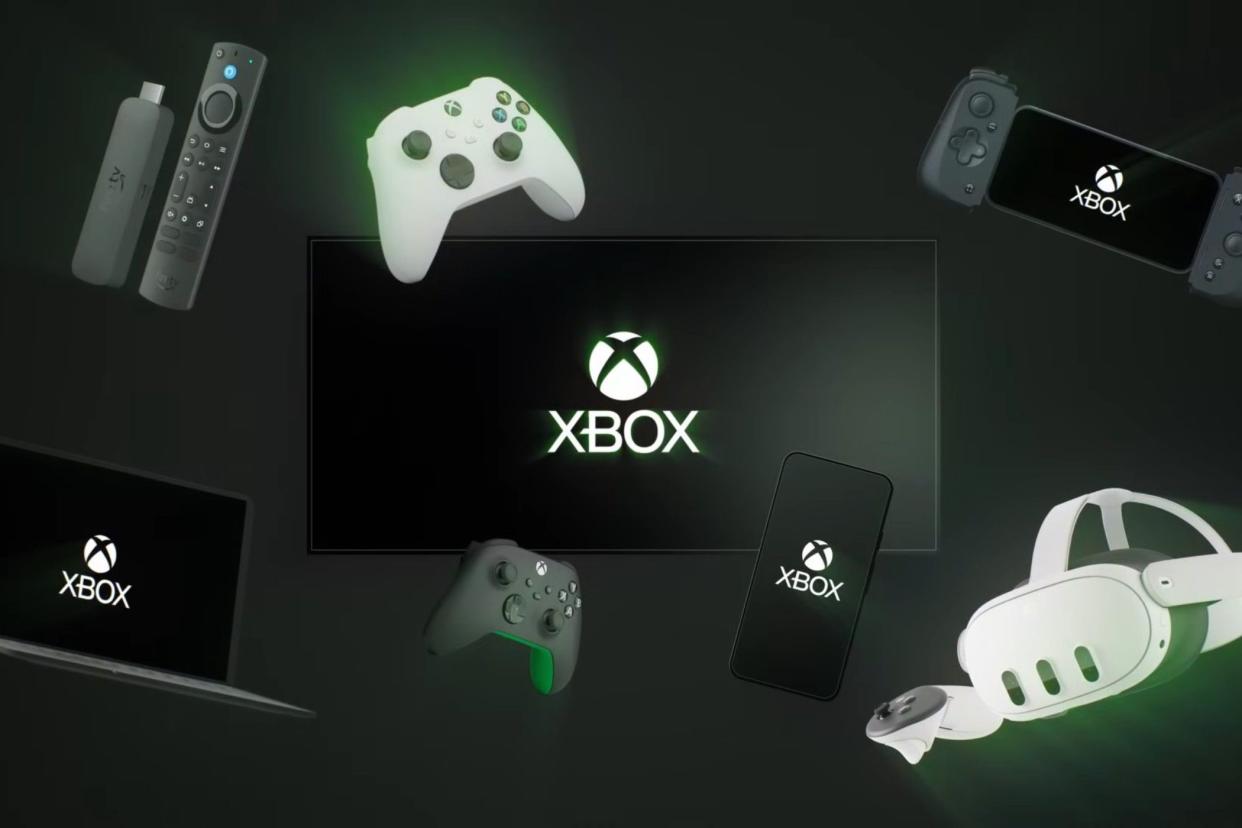

Xbox Cloud Gaming Expands: Stream Owned Titles with Game Pass Ultimate

Microsoft has announced a significant expansion to its Xbox Cloud Gaming service, bringing more value to its Game Pass Ultimate members. Previously, the service allowed users to stream a selection of Game Pass titles on supported devices. With this new update, members can now stream select games they own from their personal library, even if those games are not included in the Game Pass catalog. This update went live immediately in all 28 countries where Xbox Cloud Gaming (Beta) is available. Among the initial batch of 50 supported titles are fan favorites like Baldur’s Gate 3, Cyberpunk 2077, and Hogwarts Legacy, marking a major step forward for game streaming accessibility.

The expanded Xbox Cloud Gaming service provides users with greater flexibility and convenience, allowing them to play their purchased games across a range of devices. Currently, the service is accessible on Samsung Smart TVs, Amazon Fire TV devices, Meta Quest headsets, and web browsers for PCs, smartphones, and tablets. This enhanced compatibility ensures that users can enjoy their favorite games on their preferred platform without the need for a high-powered console or PC, highlighting Microsoft’s commitment to making gaming more accessible and inclusive.

Microsoft has also confirmed that this new feature will soon be extended to Xbox consoles and the Xbox app on Windows PCs, with a rollout planned for next year. The update includes a seamless integration where all editions of a supported game will be available for streaming, giving players more options to enjoy their purchases. This development not only adds value for Game Pass Ultimate subscribers but also showcases Microsoft’s efforts to create a more versatile gaming ecosystem.

By allowing users to stream games they already own, Microsoft is taking a big step toward redefining how players engage with their libraries. This move is likely to appeal to gamers who value flexibility and affordability, as it eliminates the need to repurchase games or be confined to specific hardware. As Xbox Cloud Gaming evolves, it continues to set a new standard for the industry, offering a glimpse into a future where gaming is no longer tied to traditional boundaries.

Microsoft Faces £1 Billion UK Lawsuit Over Alleged Overcharging on Rival Cloud Platforms

INTRODUCTION

Microsoft is facing a collective lawsuit in the UK, accused of unfairly leveraging its dominance in the cloud-based server market to overcharge customers of competing cloud providers like Amazon Web Services (AWS), Google Cloud Platform, and Alibaba Cloud. The lawsuit, representing thousands of British businesses, seeks over £1 billion in damages for alleged anti-competitive practices.


KEY DETAILS

  1. Allegations Against Microsoft:
    • Microsoft is accused of charging higher licensing fees for its Windows Server software when used on competitors’ cloud platforms compared to its own Azure cloud service.
    • The lawsuit claims these practices penalize businesses for choosing alternative cloud providers and force them towards Azure, reducing competition.
  2. Legal Representation and Claimant:
    • The collective action, led by competition lawyer Maria Luisa Stasi from Article19, is an “opt-out” lawsuit, meaning all affected UK businesses are automatically included unless they opt out.
    • Stasi argues that Microsoft’s practices result in unfair penalties and seeks compensation for organizations that were overcharged.
  3. Context and Industry Implications:
    • Earlier this year, Microsoft settled a €20 million case with CISPE in the EU, agreeing to equalize prices for its software across smaller cloud platforms and Azure.
    • Despite this, Google filed a fresh EU antitrust complaint in September, accusing Microsoft of software licensing practices that lock customers into Azure and hinder competition.
  4. Competition and Markets Authority (CMA) Investigation:
    • The UK’s CMA is preparing behavioral remedies for anti-competitive practices in the cloud industry, with a provisional decision expected soon.
    • The CMA has previously set a timeline for final decisions by late 2024.

ANALYSIS

  1. Market Impact:
    Microsoft’s pricing strategies could potentially stifle competition by creating financial barriers for businesses to choose alternative cloud solutions. This undermines the competitive landscape, favoring Azure over rivals like AWS and Google Cloud.
  2. Legal and Regulatory Landscape:
    • The ongoing CMA investigation and EU antitrust actions highlight increasing regulatory scrutiny of dominant players in the tech industry.
    • The outcome of this lawsuit could set a precedent for how licensing practices are regulated in the cloud market globally.
  3. Challenges for Microsoft:
    • While Microsoft has attempted to address concerns through settlements, continued allegations and lawsuits underscore the persistence of its licensing controversies.
    • With potential damages exceeding £1 billion, this case poses significant reputational and financial risks.

CONCLUSION

The lawsuit against Microsoft represents a critical moment for competition in the cloud computing industry. If successful, it could lead to broader changes in licensing practices, ensuring fairer competition among cloud providers and benefiting businesses reliant on these technologies.