Yazılar

Microsoft Introduces Native Copilot App, Replacing PWA for Windows Insiders

Microsoft Rolls Out Native Copilot App for Windows Insiders

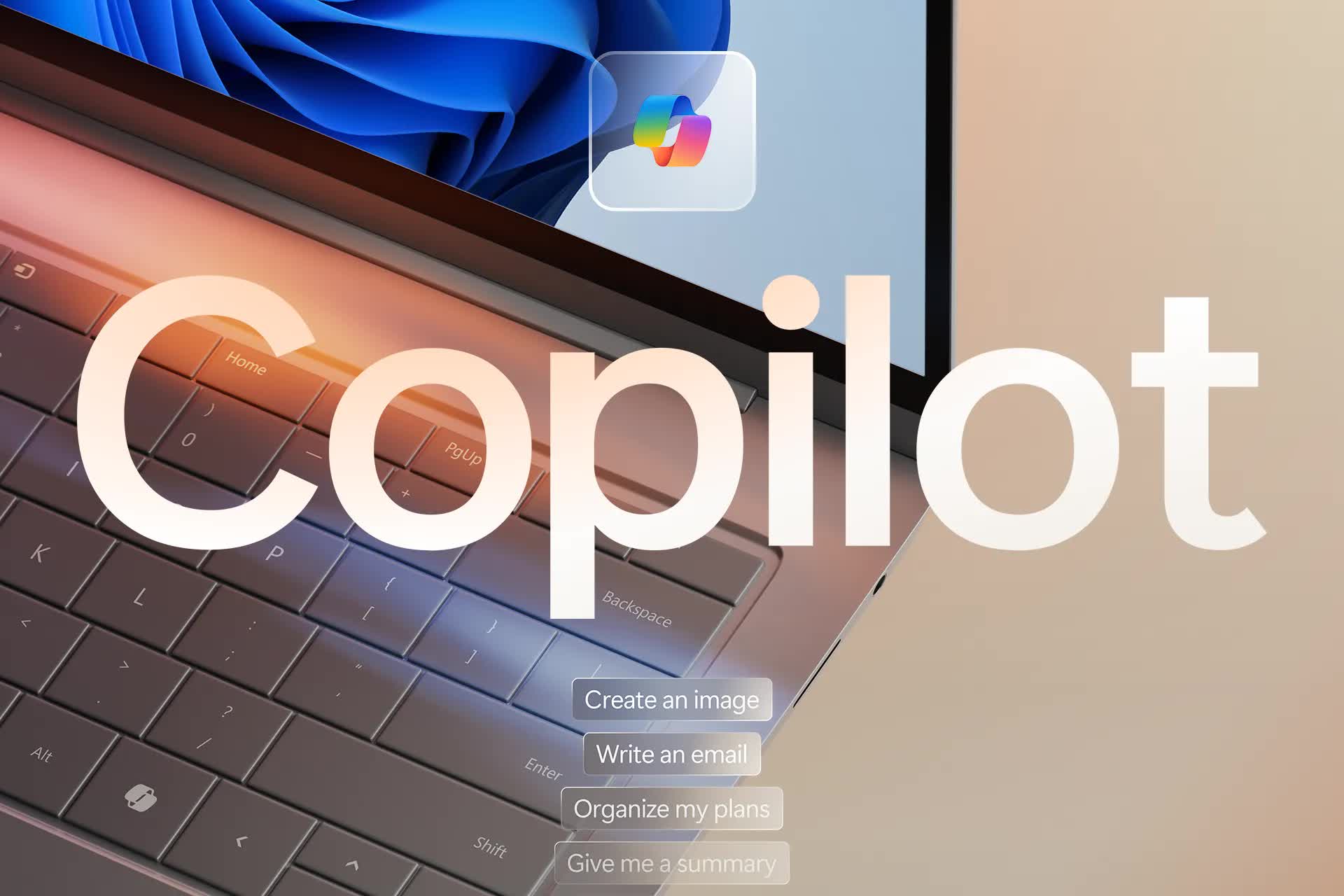
Microsoft has introduced a native Copilot app for Windows, replacing the Progressive Web App (PWA) version previously available to testers in the Windows Insider Program. Announced on Tuesday, this new version integrates more seamlessly with the Windows operating system. The app is being rolled out as an update and will appear in the system tray for eligible users. This development follows Microsoft’s recent unveiling of advanced Copilot features like Copilot Vision and AI-powered Recall, both of which are available in preview.

Enhanced Accessibility With Quick View Functionality

In a blog post, Microsoft detailed the innovative features of the native app. Among the highlights is the quick view functionality, which allows users to access the AI chatbot using keyboard shortcuts. By pressing Alt + Space, Windows 11 users can easily open or close the quick view window. This feature also supports movement and resizing, enhancing usability. If users wish to return to the full Copilot app, they can do so by selecting an icon located at the top-left corner of the quick view interface.

Keyboard Shortcuts and Prioritization

Microsoft has built this shortcut around the RegisterHotKey function, which is widely used across Windows applications. As a result, the behavior of the Alt + Space shortcut depends on which app is launched first or already running in the background. This prioritization ensures flexibility but could create conflicts if multiple applications rely on the same hotkey combination. Microsoft has not yet announced specific guidelines for managing these potential overlaps.

Future Implications and User Experience

The release of the native Copilot app marks another step in Microsoft’s efforts to integrate AI into its ecosystem. The new features aim to streamline how users interact with Copilot, making it more accessible and adaptable to individual workflows. With its placement in the system tray and improvements in navigation, Microsoft seems committed to creating a more intuitive experience for Windows users. As this version evolves, testers’ feedback will likely shape further updates and refinements.
Arm and Qualcomm Clash Over Chip Design Ownership in U.S. Court Trial

In a pivotal U.S. federal court trial this week, Arm and Qualcomm are locked in a high-stakes legal battle over the ownership of intellectual property (IP) related to chip designs based on Arm’s architecture. The dispute, taking place in Delaware, is critical for Qualcomm’s ambitions in the laptop market, where it is supporting partners like Microsoft to regain ground lost to Apple after the company introduced its custom chips.

The Core of the Dispute

At the heart of the legal conflict is who owns the intellectual property built on top of Arm’s computing architecture. Arm’s architecture competes with Intel’s and is widely used in smartphones, laptops, and data centers. While major companies like Apple design their own cores based on Arm’s architecture, Arm also provides off-the-shelf core designs for smaller firms like MediaTek. The crux of the case lies in whether Nuvia, a company acquired by Qualcomm for $1.4 billion in 2021, had the right to transfer its computing core designs to Qualcomm.

Key Legal Testimony

The companies disagree on whether Nuvia’s core designs, created by Gerard Williams—former Apple engineer and Nuvia founder—are derivatives of Arm’s architecture. Arm’s attorneys argue that the licensing agreement covers Arm technology, including “derivatives” and “modifications” made from it. During the trial, Arm’s attorney, Daralyn Durie, grilled Williams on the contractual language, asking him to acknowledge that Nuvia’s work was a derivative of Arm’s technology. Williams, however, denied this interpretation, stating, “I wouldn’t say that, but I’m not a legal expert.”

Impact on Qualcomm’s Plans

Qualcomm’s attorneys, meanwhile, emphasized how minimal Arm’s technology was in Nuvia’s final chip designs. Williams estimated that less than 1% of Nuvia’s final designs contained Arm’s technology. This assertion could significantly impact Qualcomm’s ongoing business strategy, particularly as the company seeks to expand into laptops, a market currently dominated by Apple’s custom chips. Qualcomm currently pays Arm approximately $300 million annually for its architecture, but evidence introduced at trial suggested that Arm executives believed they were missing out on $50 million annually due to Qualcomm’s acquisition of Nuvia.

Next Steps in the Trial

The trial could conclude with a jury verdict as soon as this week. Qualcomm’s CEO, Cristiano Amon, is also expected to testify, which could further influence the outcome of the case. The final decision may have significant ramifications for the future of chip design, especially in the rapidly evolving laptop and mobile markets.


OpenAI Pushes Back Against Musk’s Attempt to Block For-Profit Conversion

OpenAI has asked a federal judge in California to reject Elon Musk’s attempt to block the company’s conversion to a for-profit entity. In a court filing on Friday, OpenAI argued that Musk, one of its co-founders, initially supported the move toward a for-profit structure before leaving the company due to disagreements over control and equity stake.

To bolster its case, OpenAI released a series of emails and text messages involving Musk, which it claims demonstrate that he was in favor of the company’s for-profit status. Musk, however, has since launched his own artificial intelligence firm, xAI, and filed a lawsuit against OpenAI in August, accusing the company of prioritizing profits over public benefit in its drive to advance AI.

Musk’s lawsuit also claims that OpenAI’s actions are anticompetitive, alleging that the company is working to monopolize the generative AI market and sideline rivals. He sought a preliminary injunction in November, asking U.S. District Judge Yvonne Gonzalez Rogers to block the conversion to a for-profit company, arguing that it violated contract provisions.

In response, OpenAI argued that Musk’s request is based on “unsupported allegations” and that he should focus on competing in the marketplace rather than through litigation. OpenAI also denied any conspiracy to restrain competition, emphasizing that it operates independently from Microsoft, which has heavily invested in the company.

Microsoft, in a separate filing, reaffirmed that it and OpenAI are independent entities that compete with each other and other companies, fueling innovation in the AI sector.

OpenAI, originally founded as a nonprofit in 2014, has become a major player in generative AI, with substantial backing from Microsoft. In October, OpenAI raised $6.6 billion in funding, boosting its valuation to $157 billion. Musk’s xAI, launched earlier this year, raised about $6 billion in equity financing.

The planned restructuring of OpenAI will transition it into a for-profit benefit corporation, with the nonprofit holding a minority stake in the new entity. Judge Rogers is scheduled to hear arguments for Musk’s injunction on January 14.