Yazılar

Weakened and Infiltrated, Hezbollah Vows ‘Battle Without Limits’ Against Israel

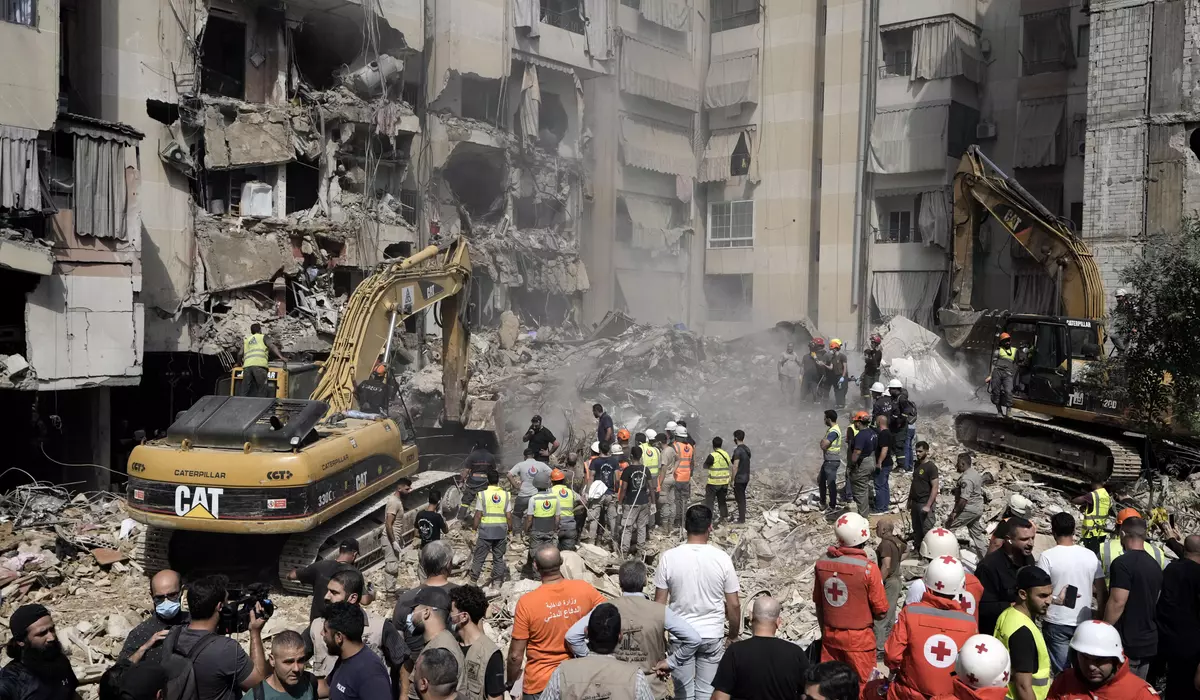
A recent Israeli airstrike targeted a Hezbollah meeting in Beirut, killing 45 people, including women and children, along with 16 Hezbollah militants, including senior commanders. The attack marked one of the most significant blows to Hezbollah’s military structure in its over 40-year history, revealing a severe breach in its communication systems. Israeli infiltration of Hezbollah’s ranks enabled a series of devastating attacks, leaving the group weakened and sowing panic within its leadership.

Lebanese officials responded by increasing security measures, emphasizing the impact of Israeli infiltration. Hezbollah, known for its secrecy and military strength, now finds itself vulnerable as it faces a new phase in its long-standing conflict with Israel. The group initially engaged in limited confrontations with Israel to support Hamas but now finds itself in a much deeper conflict, with heavy losses and growing pressure to retaliate.

In a statement following the Israeli airstrike, Hezbollah’s deputy leader, Naim Qassem, declared an escalation, calling it “a battle without limits.” The group retaliated by launching one of its most forceful attacks in years, targeting an Israeli airbase and military industry site. While Israel has not confirmed all the strikes, the event signals a significant shift in the dynamics of the ongoing conflict. Hezbollah’s use of new medium-range missiles, the Fadi-1 and Fadi-2, indicates the group’s attempt to restore its deterrent power against Israel.

Despite the losses, Hezbollah’s leadership and supporters remain defiant. At a funeral for three fighters killed in the recent strike, mourners emphasized their continued loyalty to Hezbollah leader Hassan Nasrallah and the group’s cause, even in the face of severe setbacks. As both sides brace for further escalation, the unwritten rules of engagement between Hezbollah and Israel are being tested in unprecedented ways.
U.S. Bolsters Military Presence in the Middle East Amid Rising Tensions with Iran

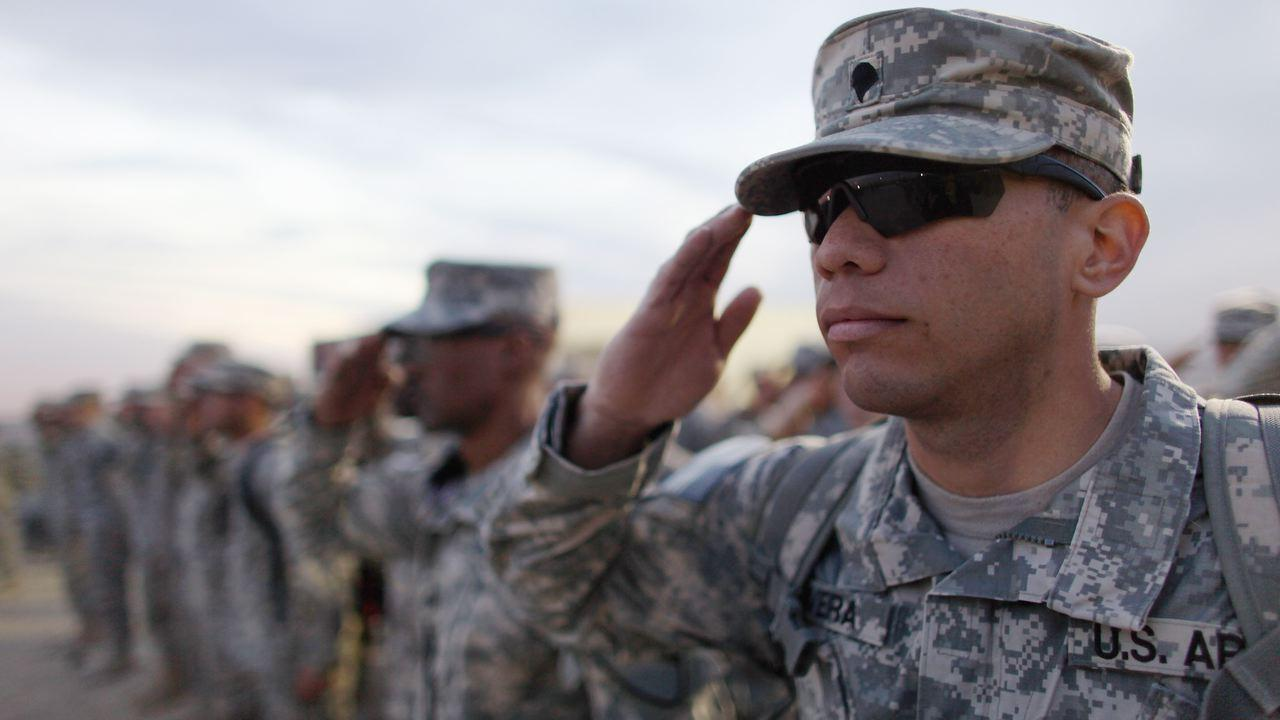
The United States is escalating its military presence in the Middle East in response to growing concerns about potential Iranian retaliation against Israel. The Pentagon announced that additional troops and military hardware, including a guided-missile submarine and a carrier strike group equipped with F-35C fighter jets, are being deployed to the region. This move is part of a broader effort to reinforce U.S. military capabilities and provide robust support to Israel amid escalating regional tensions.

In a statement released by Pentagon Press Secretary Maj. Gen. Pat Ryder, U.S. Defense Secretary Lloyd Austin emphasized the United States’ unwavering commitment to “take every possible step to defend Israel.” The announcement followed a conversation between Austin and Israel’s Defense Minister Yoav Gallant, underscoring the urgency of the situation.

This development comes in the wake of the assassination of Ismail Haniyeh, the former political leader of Hamas, in Tehran on July 31. Iran, which has long supported Hamas, has accused Israel of carrying out the attack. While Israel has not officially commented on the incident, the killing has significantly heightened tensions between the two nations. Although Tehran has yet to retaliate militarily, the possibility of a severe response looms, keeping the entire region on edge.

The Biden administration’s support for Israel has sparked criticism domestically, with some urging the U.S. to leverage its influence to enforce a cease-fire rather than continue supplying arms to Israel. President Biden has expressed concerns about the Israeli military offensive, describing it as “over the top” and highlighting the high civilian death toll. This issue has become a significant factor in U.S. politics, influencing voter sentiment as the 2024 presidential election approaches.

The situation remains precarious, with fears that any further escalation could lead to an all-out war involving Iran, Israel, and their respective allies and proxies, including Hezbollah. While both Israel and Iran have engaged in limited exchanges of missile strikes in the past, these actions were largely calibrated to avoid extensive damage and casualties. However, analysts warn that future retaliations could be far more devastating.

The ongoing conflict has already resulted in significant casualties and destruction. The Hamas-led attack on Israel on October 7 claimed the lives of approximately 1,200 people and resulted in over 250 hostages, of whom 116 have been freed. Israel’s subsequent military response in Gaza has been even more devastating, with local health authorities reporting over 39,000 deaths and the destruction of half the buildings in the Gaza Strip, according to the U.N.

The assassination of Haniyeh, who was involved in cease-fire negotiations, raises doubts about the prospects for a diplomatic resolution to the conflict. Yahya Sinwar, the new leader of Hamas with close ties to Iran, is perceived as more extreme and less inclined to pursue a cease-fire, further complicating efforts to de-escalate the situation.